
Lieferung heute & morgen

Qualitätsgarantie

Willkommens-Angebote freischalten: KOSTENLOSE Lieferung | Bis zu 80 % RABATT | Kostenlose 30-Tage-JoyPlus-Testphase
App herunterladen
Korean face masks are available in many varieties: classic sheet face masks, hydrogel masks or daily skincare in multipacks. The choice may seem straightforward at first, but certain marketing claims can lead to disappointing purchases. What matters is not eye-catching wording on the packaging, but ingredients, application time, fit, skin compatibility and pack size.
Hyaluronic acid, collagen, Centella asiatica and niacinamide are common ingredients in K-Beauty skincare. However, simply listing them says little about whether a product is right for you. The concentration, complete formulation and skin type also play a role. A hyaluronic acid face mask can complement a hydrating skincare routine, but it does not automatically replace a moisturiser or a routine tailored to your skin’s condition.
For classic sheet masks, the recommended application time is often around 10 to 20 minutes. If the sheet dries out completely, it may feel uncomfortable on the skin. Depending on the product, hydrogel masks are designed for considerably longer applications. The Biodance models, for example, specify a wear time of at least three to four hours or overnight use. The instructions on the relevant packaging should always take priority.
A pack containing 30 masks is suitable for regular use, but requires particular attention to hygiene and storage. For products in a jar or resealable pouch, they should be removed hygienically and the closure should be sealed securely after use. Individual sachets are usually more practical for travelling or occasional use.
The mask material affects comfort and how well it stays in place. Thin cellulose or bamboo fibres often sit closely against the skin, while hydrogel masks have a gel-like texture that adheres more firmly. Sufficiently large openings for the eyes, nose and mouth are important, as is even contact with the skin. A good fit helps prevent serum from running down your cheeks or neck.
The cost per application is easy to calculate: divide the pack price by the number of masks. A daily face mask in a pack of 30 can be practical for regular use, while a 4-pack of hydrogel masks is more likely to be intended for longer, targeted applications. Before use, your face and hands should be clean. After removing the mask, any remaining serum is usually gently patted into the skin; follow the instructions for any exceptions.
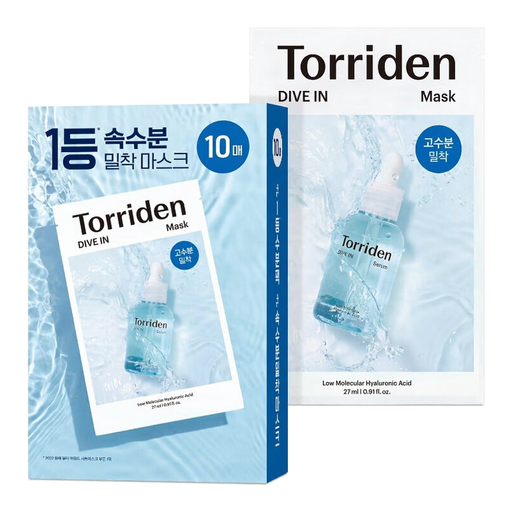
Why this product suits the profile: The 10-piece set offers an accessible introduction to hydration-focused Korean sheet masks. With a stated application time of 10 to 15 minutes, it is easy to incorporate into a daily or several-times-a-week routine.
The product details specify a 5D hyaluronic acid complex, as well as panthenol and allantoin. This means you can base your choice on specific ingredients rather than general promises of hydration alone.
10 cellulose masks, several forms of hyaluronic acid and a clearly stated application time.
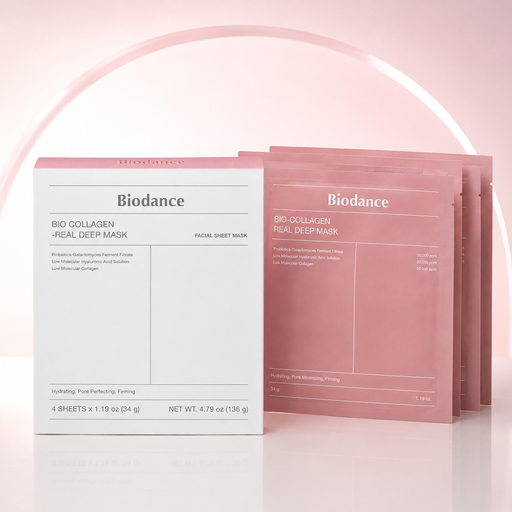
Why this product suits the profile: This hydrogel mask is an appealing option for people who prefer a longer application and want to focus their skincare routine on hydration and a comfortable, close-fitting mask experience.
The product description specifies a wear time of three to four hours or overnight. This allows shoppers to assess realistically whether it fits into their daily routine.
Hydrogel format with collagen extract, fermented ingredients and hydrolysed hyaluronic acid; four individual masks per pack.
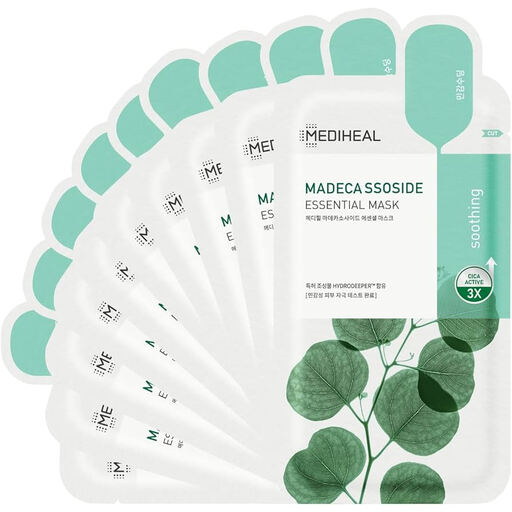
Why this product suits the profile: The 10-piece set is aimed at people who want to use a soothing face mask regularly and are considering Centella asiatica, madecassoside and panthenol as part of their routine.
The ingredients are clearly listed, and the product details state that the sheet is made from bamboo fibre. However, if you have sensitive skin, you should still carry out a patch test before full application.
10 masks, bamboo fibre and a recommended application time of 15 to 20 minutes.
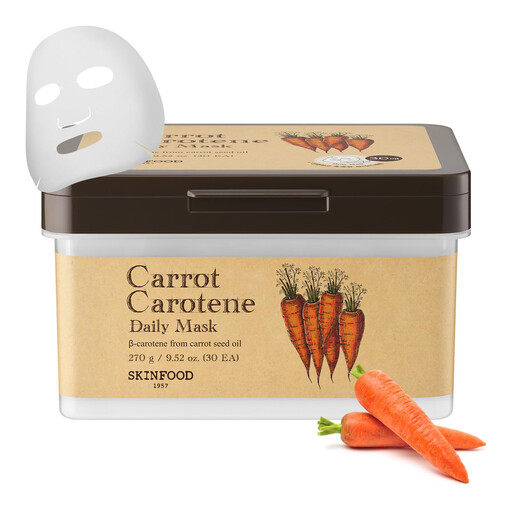
Why this product suits the profile: The 30-piece set is designed for frequent use and may suit people who want to make hydration a regular part of their daily facial skincare routine.
The pack size and recommended application time of five to 20 minutes are clearly stated. If you are sensitive to fragrances or essential oils, check the INCI list before buying.
30 sheet masks, carrot root extract and niacinamide; easy to plan into a regular skincare routine.
We have put together a complete, regularly updated list of products that fully meet these strict selection criteria and the safety regulations applicable in the EU.
Before using a product for the first time, it may be sensible to carry out a small patch test on an inconspicuous area of skin. If redness, itching, stinging or swelling occurs, stop using the product. Do not apply masks to damaged or severely irritated skin. Avoid the eye area, and after opening, follow the packaging instructions regarding storage, shelf life and batch number.
A face mask complements your daily facial skincare routine, but it does not replace cleansing, sun protection or a suitable moisturiser. If you have sensitive skin, it is worth choosing a product with a short INCI list and no known personal triggers.
This depends on the formulation, how your skin feels and the manufacturer’s instructions. Many sheet masks are used two to three times a week. Products labelled “Daily Mask” are intended for more frequent use, but should still be used in accordance with the packaging instructions and your individual skin tolerance.
Classic sheet masks are usually left on the skin for 10 to 20 minutes. Hydrogel masks may be designed for a longer wear time. Do not extend the recommended time yourself, particularly if the material begins to dry out or your skin starts to feel uncomfortable.
A sheet mask is usually made from cellulose, bamboo fibre or a similar carrier material soaked in serum. A hydrogel mask consists of a gel-like matrix and often adheres more closely to the skin. As well as the material, ingredients, application time, pack size and your personal tolerance of fragrances are all relevant when choosing a product.