
Lieferung heute & morgen

Qualitätsgarantie

Willkommens-Angebote freischalten: KOSTENLOSE Lieferung | Bis zu 80 % RABATT | Kostenlose 30-Tage-JoyPlus-Testphase
App herunterladen
Korean face masks have become a staple in many skincare routines: as a quick hydrating face mask, a soothing mask after a long day or a handy face mask set for travelling. But with so much choice, deciding which one to buy isn’t always easy. Product names such as ‘Glow’, ‘Firming’ or ‘Repair’ often describe the desired effect rather than clearly measurable properties.
An anti-ageing face mask may contain ingredients such as collagen, peptides or hyaluronic acid. However, this doesn’t automatically mean it will reduce wrinkles long term. With cosmetics, it’s important to distinguish between skin that feels cared for after use and promises of lasting results.
Terms such as ‘brightening face mask’ don’t necessarily mean a change to your natural skin colour either. They often refer to a more even-looking complexion or increased hydration.
A sheet face mask may contain alcohol, fragrance, essential oils, plant extracts or preservatives. These ingredients aren’t necessarily a problem, but they may be relevant if you have sensitive or reactive skin. Before buying, check the full INCI list on the packaging.
If you’re unsure, start with a patch test on a small area of skin. Stop using the product if you experience redness, burning or itching.
A Korean sheet mask shouldn’t be left on your face until it has dried out completely. Otherwise, your skin may start to feel uncomfortably tight. Wear times often range from 5 to 30 minutes, depending on the product. Always follow the manufacturer’s instructions.
The material also affects comfort. Cellulose, hydrogel and cream masks differ in how well they adhere, how much liquid they contain and how easy they are to use. A good fit is especially important if you plan to use the mask during a short break or while travelling.
For dry skin, look for formulas containing glycerin, hyaluronic acid, betaine or trehalose. A hyaluronic acid face mask can hydrate your skin and leave it feeling temporarily softer and smoother.
For sensitive skin, short INCI lists without strong fragrances are often easier to assess. Ceramides, panthenol, allantoin and centella extracts are commonly used in soothing formulas. Even so, a face mask for sensitive skin shouldn’t be used on broken or already very irritated skin.
Products containing niacinamide, vitamin C derivatives or plant extracts are available for a dull-looking complexion. Your individual tolerance and the ingredient concentration matter more than a flashy product name.
A set of 4 or 5 is a good choice if you want to check how your skin reacts first. A face mask set with 10 or more individually wrapped masks may be more practical for a regular routine, but it ties up more of your budget. Check the shelf life, storage instructions and ingredients before buying.
Product information usually recommends leaving a face mask on for 10 to 20 minutes. A face mask isn’t a substitute for daily cleansing, moisturising and the sun protection you need during the day.
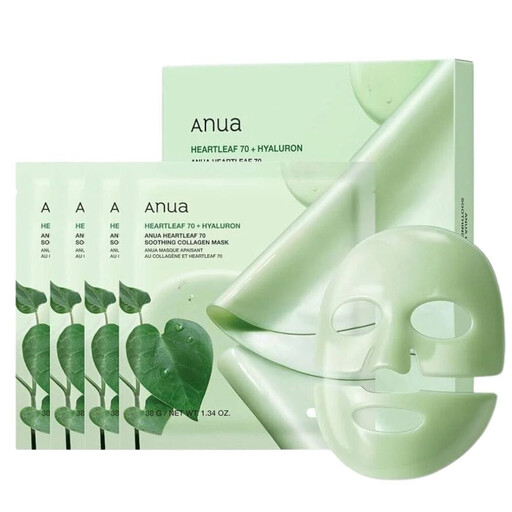
Why this product suits this profile: The pack of 4 is a manageable size for shoppers who want to try a Korean sheet mask at regular intervals to start with. The hydrogel texture is designed to adhere well.
The product information lists the quantity, a wear time of 15–20 minutes and a specific ingredients list. This makes it easier to assess how to use the mask and whether it may suit your skin before buying.
70% Heartleaf water according to the product description, a hyaluronic acid complex, collagen and 4 individually wrapped hydrogel masks.
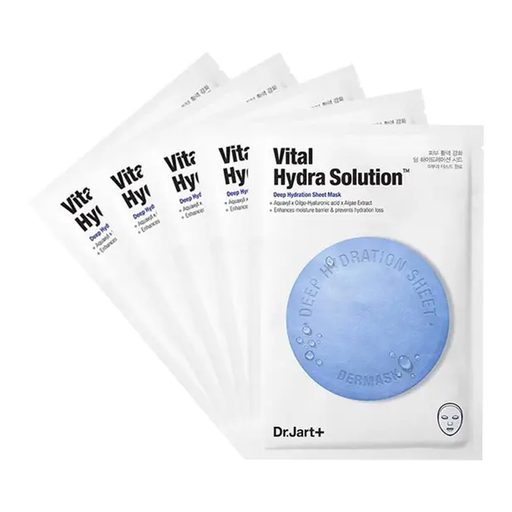
Why this product suits this profile: The pack of 5 is suitable for a carefully managed skincare routine, with individual doses and a thin cellulose sheet.
You can check the ingredients list in advance, and it includes alcohol. If you have sensitive skin, you can take this into account when choosing a product.
5 cellulose sheet masks, a wear time of 15–20 minutes and several humectants, including glycerin, betaine and sodium hyaluronate.
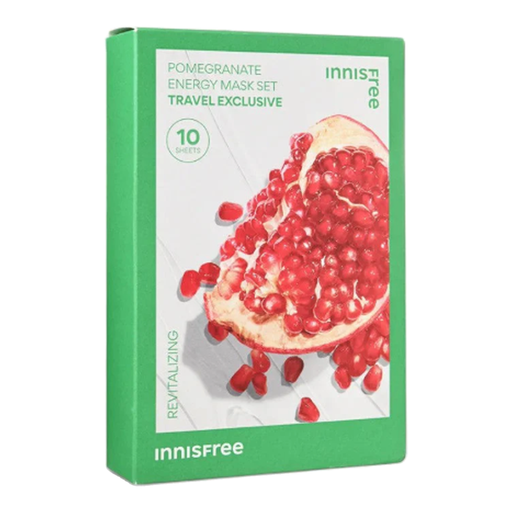
Why this product suits this profile: Ten individually wrapped sheet masks are handy for regular use, travelling or sharing with others.
The individually wrapped masks mean you don’t need to keep taking them out of an open container. Even so, check the shelf life and current ingredients list on the packaging before use.
10 sheet masks, each containing 22 ml, made from cellulose according to the product description and easy to pack individually for travelling.
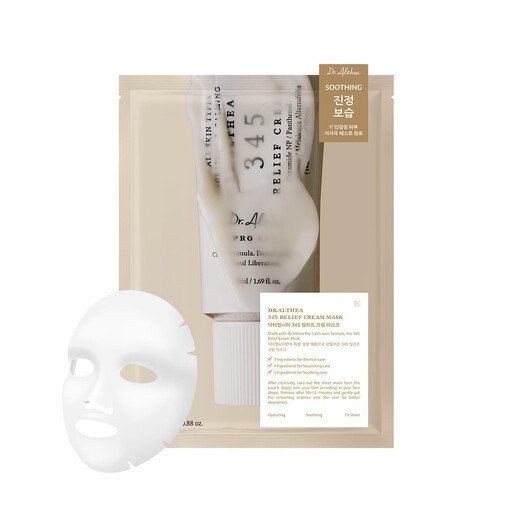
Why this product suits this profile: Its creamy texture, with ceramides, panthenol and hyaluronic acid, is aimed at shoppers who prefer not to use a traditional sheet mask.
The recommended wear time is 10–20 minutes. A patch test is recommended, and the product shouldn’t be used on damaged or irritated skin.
4 masks, each weighing 25 g, with ceramides, panthenol, hyaluronic acid and madecassoside according to the product description.
If you have sensitive skin, take extra care to check for fragrance, alcohol, essential oils and multiple plant extracts. Ingredient information can vary from one batch to another, so always refer to the packaging of the product you’ve bought.
It depends on your skin type, the product and the manufacturer’s instructions. Many sheet masks are intended for use once or several times a week. If you have sensitive skin, start slowly with a single use and do a patch test beforehand.
Check the packaging for the recommended time. It’s often 10 to 20 minutes, though some products recommend 5 minutes or up to 30. Remove the mask before it dries out completely.
Some formulas are specifically designed for dry, sensitive or reactive skin. However, there’s no guarantee that a product will suit everyone. Check the ingredients list and consider fragrance, alcohol and how your skin reacts before use.