
Lieferung heute & morgen

Qualitätsgarantie

Willkommens-Angebote freischalten: KOSTENLOSE Lieferung | Bis zu 80 % RABATT | Kostenlose 30-Tage-JoyPlus-Testphase
App herunterladen
Korean face masks come in many varieties, from classic sheet masks, hydrating masks and collagen masks to Centella Cica masks, PDRN face masks and clay masks. The wide choice does not always make it easier to find the right one. Packaging can often influence your decision more than how well a mask actually fits into your skincare routine.
If you’re looking to buy K-beauty skincare, it’s worth knowing about three common pitfalls: choosing unsuitable ingredients, unclear instructions for use and claims that exaggerate cosmetic effects.
Centella asiatica, hyaluronic acid, niacinamide, collagen and rice extracts are found in many products. However, a well-known ingredient does not automatically make a mask suitable for every skin type. Dry skin often needs a hydrating mask containing glycerin, hyaluronic acid or ceramides. For sensitive skin, fragrance, alcohol and essential oils may be a concern.
A soothing face mask is no substitute for an individual skin assessment either. If redness, itching or changes to your skin persist, stop using the product and seek dermatological advice if necessary.
A pore mask can absorb excess oil or make the skin’s surface look temporarily smoother. Clay containing kaolin or bentonite is a typical ingredient for this purpose. However, it will not make visible pores disappear permanently. Using clay too often may also leave dry or sensitive skin feeling tight.
Remove a sheet mask after the time stated on the packaging. If the sheet dries completely on your skin, it may leave your skin feeling worse. Hydrogel masks often have different recommended wear times. According to the product instructions, the Biodance Bio-Collagen Real Deep Mask is designed to be worn for three to four hours or overnight. Do not assume the same instructions apply to every other mask.
Start by defining your main goal:
A PDRN face mask or collagen mask may be worth considering if texture and how it feels on the skin are your main priorities. Claims about changes to the skin should always be understood as cosmetic product descriptions.
For a sheet mask, the material, size and cut-outs matter. Bamboo fibre, cotton fibre, bio-cellulose and hydrogel differ in how well they adhere and how they feel on the skin. Ideally, a mask should sit evenly without pressing on your eyes or lips.
Packaging matters too when buying multipacks. A resealable pouch or hygienic dispenser helps protect the remaining masks from drying out. For example, the VT Cosmetics Cica Daily Soothing Mask comes with 30 sheets in a dispenser and is designed for daily use according to the product information.
Before buying, check:
A patch test on a small area of skin may be useful before your first full application. Stop using the product if you experience any discomfort.
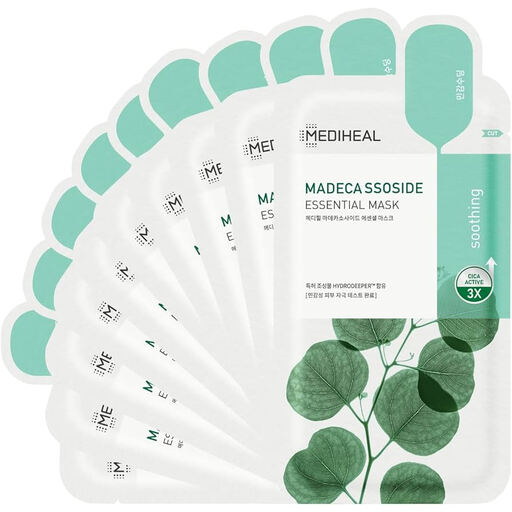
Why this product suits this profile: The pack of ten masks is a good choice if you’d like to make a Centella Cica mask a regular part of your Korean skincare routine.
The product information clearly explains how to use the mask and lists its ingredients. This makes it easier to check whether it suits your routine and skin type.
10 sheet masks with Centella asiatica, madecassoside, panthenol and sodium hyaluronate, according to the product information.
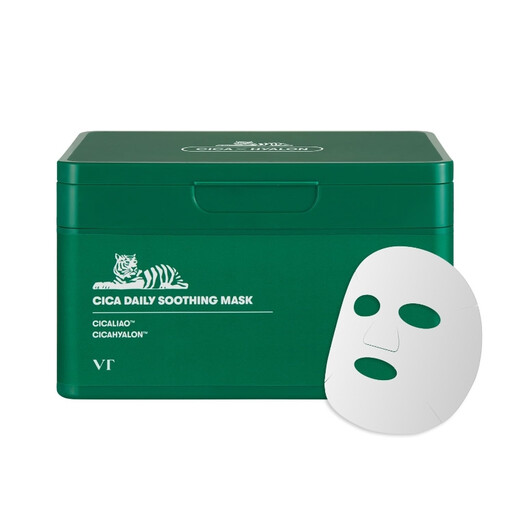
Why this product suits this profile: The dispenser contains 30 sheets for regular use at home and makes it easy to add a mask to your morning routine.
The product information clearly sets out daily use and a recommended wear time of 10 to 20 minutes.
30 ultra-thin sheet masks with Centella asiatica, madecassoside and sodium hyaluronate, according to the product description.
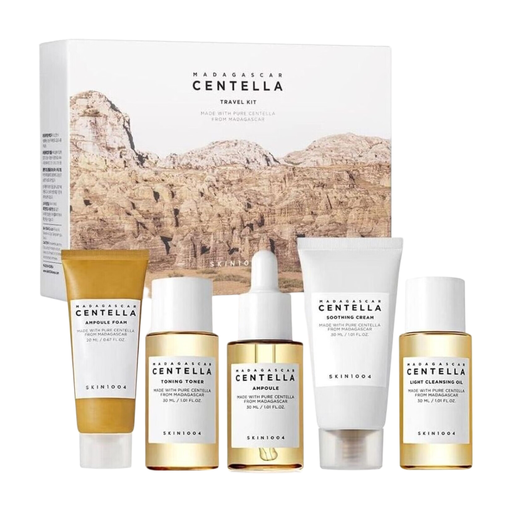
Why this product suits this profile: The set combines a cleanser, toner, ampoule and cream in compact sizes, making it suitable for travel or a complete skincare routine.
The set’s clearly defined order, from cleansing oil to cream, helps you avoid mistakes when following a multi-step Korean skincare routine.
Five products designed to work together, with Centella extract in the individual formulas, according to the product information.
We’ve put together a complete, regularly updated list of products that meet these strict selection criteria and fully comply with the safety regulations in force in the EU.
Always apply a face mask to clean skin. With sheet masks, the remaining essence is usually gently patted into the skin, while a clay mask should be rinsed off after the recommended time. Avoid combining several strong cleansing or exfoliating products on the same evening if your skin is sensitive to them.
Reseal opened multipacks carefully. Check the best-before date, batch number and storage instructions printed on the packaging. Direct sunlight and high temperatures can affect product quality.
It depends on the type of mask and how well your skin tolerates it. According to the relevant product instructions, hydrating sheet masks may be used more frequently. Clay or exfoliating masks are generally used less often. Always follow the packaging instructions and pay attention to how your skin reacts.
Some products are designed to soothe the skin, for example with Centella asiatica, panthenol or madecassoside. However, everyone’s skin can react differently. Check the full INCI list, carry out a patch test if needed, and do not use the mask on broken or severely irritated skin.
Unopened products usually have a best-before date or batch information. Once opened, follow any additional instructions provided for that product. For sheet masks in a pouch, it is particularly important to seal it tightly so the remaining masks do not dry out.