
Lieferung heute & morgen

Qualitätsgarantie

Willkommens-Angebote freischalten: KOSTENLOSE Lieferung | Bis zu 80 % RABATT | Kostenlose 30-Tage-JoyPlus-Testphase
App herunterladen
Korean face masks come in many varieties: sheet masks, hydrogel masks, clay masks, peeling gels, or as part of a skincare set. Choosing based on packaging or marketing claims alone, however, doesn't always lead to the right product. What really matters are your skin's needs, how often you plan to use it, the ingredients, and the product format.
A pore-cleansing mask can absorb excess sebum or loosen dead skin cells. However, it won't permanently change the appearance of visible pores. For dry or sensitive skin, highly absorbent clays can also cause a tight, uncomfortable feeling. So check whether kaolin or bentonite is combined with moisturising and soothing ingredients.
Terms like collagen, vitamin C, niacinamide or plant extracts alone aren't enough to base your choice on. What matters is the full INCI list on the packaging. If you have sensitive skin, pay particular attention to fragrances, essential oils and potentially irritating ingredients. A patch test on a small area of skin before your first full application can be a wise move.
Individual sheet masks are great for trying out and for occasional use. Ten-packs are more practical for regular routines, but they need to be stored in a dry place away from light. A dry DIY mask like the Dr. Schiller Party SOS Hydrating & Soothing Dry Mask, on the other hand, contains no liquid essence. You soak the mask yourself with a suitable toner, essence or serum. This allows you to tailor the application to your needs, but you'll need to have the additional skincare product on hand separately.
For dry skin, look for formulations with glycerin, hyaluronic acid, panthenol or betaine. A moisturising face mask should be applied after cleansing and then followed up with a cream, so your skincare routine isn't just about a short-lived feeling of hydration.
For sensitive skin, short, clear INCI lists and soothing ingredients like Centella asiatica, Madecassoside or allantoin are a sensible choice. A face mask for blemishes shouldn't automatically be overly drying. For inflammatory skin changes or persistent concerns, cosmetics are no substitute for dermatological advice.
For oily or blemish-prone skin, clay masks with kaolin or bentonite can be suitable. These don't necessarily have to stay on your face until they're completely dry. Stick to the recommended application time and rinse the product off as soon as you feel any strong stinging or noticeable irritation.
Look out for the fill quantity, number of pieces, expiry date, batch number, full INCI list and a responsible person in the EU, where these details are required. With Korean skincare, the country of origin and the responsible company can vary depending on the product and batch. The information on the actual packaging is therefore what counts.
An LED mask is also not a substitute for a cosmetic face mask. The Silk'n Facial LED Mask is an electrical device with red, blue, yellow and violet LEDs. According to the product information, photosensitivity, epilepsy, photosensitising medication, and open or irritated skin are among the reasons not to use it.
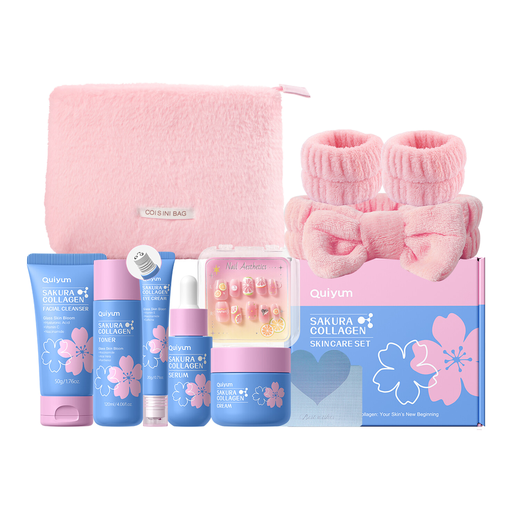
Why this product fits the profile: The set combines a cleanser, toner, serum, eye cream and cream with accessories, making it suitable for anyone looking to build a basic routine.
The individual product types are clearly named. This makes it easy to check which steps you actually need, rather than buying based on a single active ingredient.
Eight-piece set covering several basic skincare steps, plus a cosmetic bag.
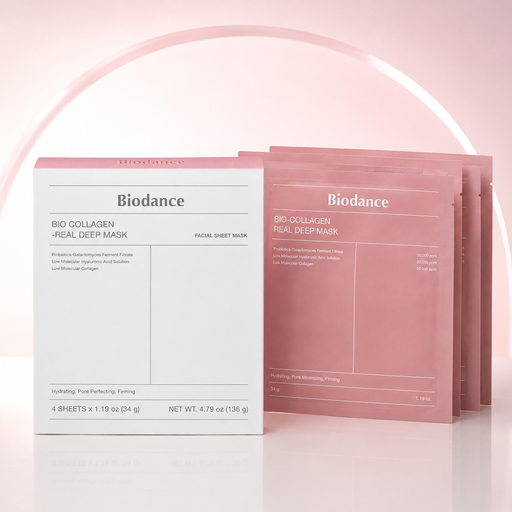
Why this product fits the profile: The hydrogel mask is sold in a pack of four and, according to the product description, contains collagen extract, glycerin, niacinamide and hyaluronic acid.
The application time is clearly stated. This means the mask isn't automatically removed after 10 to 20 minutes like a standard sheet mask.
Four hydrogel masks per pack with clearly listed skincare ingredients.
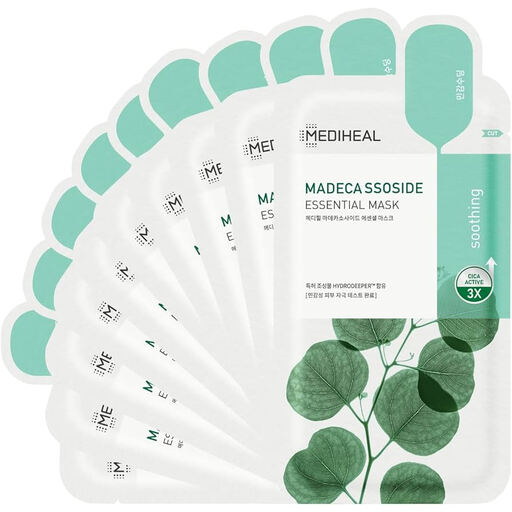
Why this product fits the profile: The pack of ten sheet masks is designed for repeated use. According to the product description, it contains Centella asiatica, Madecassoside, panthenol and sodium hyaluronate, among other ingredients.
The application is clearly described as 15 to 20 minutes, two to three times a week. This makes it easier to maintain a controlled routine.
Ten-pack, bamboo fibre material and an INCI list provided on the product page.
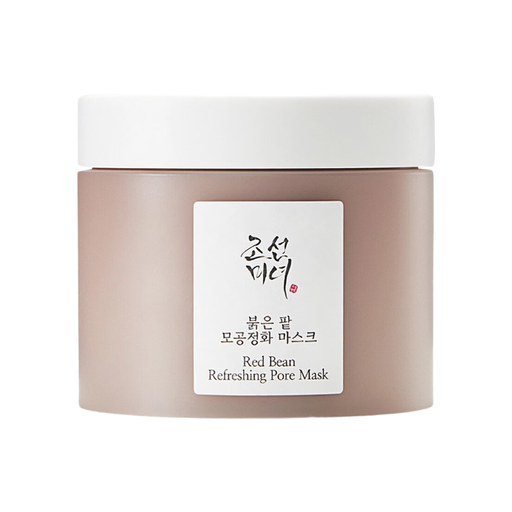
Why this product fits the profile: According to its INCI list, this wash-off mask combines kaolin with red bean powder and red bean extract.
The application time of five to ten minutes is shorter than for many hydrating masks. This helps you use a clay-based treatment in a targeted, measured way.
140 ml tub, wash-off application and clay ingredients to absorb excess sebum.
We've put together a full, regularly updated list of products that fully meet these strict selection criteria and the safety regulations in force in the EU.
It depends on the format and the product instructions. Many sheet masks are intended for two to three applications per week. Clay and peeling products are often used less frequently. The specific recommendation on the packaging or product page should take priority.
Individually packaged masks should be used immediately after opening. For multi-packs, the sachets or tub must be sealed tightly and stored in a dry place. The best-before date, batch number and, where applicable, the period-after-opening symbol on the packaging are what you should follow.
Some products are intended for sensitive skin according to the manufacturer, including certain Centella or Madecassoside formulations. However, you can't assume general suitability from this. Check the INCI list, test a small area of skin first, and don't use a mask on broken or severely irritated skin.