
Lieferung heute & morgen

Qualitätsgarantie

Willkommens-Angebote freischalten: KOSTENLOSE Lieferung | Bis zu 80 % RABATT | Kostenlose 30-Tage-JoyPlus-Testphase
App herunterladen
A Korean face serum can be a targeted addition to your existing skincare routine. Options range from lightweight hydrating serums to formulas containing niacinamide, azelaic acid, vitamin C or retinoids. What matters is not just where a product comes from or how eye-catching its packaging is, but how well its ingredients, application and tolerability match your skin’s needs.
Percentages such as “10%” or “96%” may seem clear at first glance. However, they refer to a specific ingredient and say little about how well the overall formula suits your skin. For example, a serum for blemish-prone skin may also contain salicylic acid or essential oils, which are not always comfortable for sensitive skin.
This label is a general guide, not a guarantee of individual tolerability. When choosing a serum for sensitive skin, it is worth checking for fragrance, essential oils, alcohol and active acids. Even a hyaluronic acid serum can have a lightweight, gel-like or richer formula depending on its base.
A vitamin C serum, a retinol serum and a serum for pigmentation should not automatically be combined in the same application. An overloaded routine can put unnecessary strain on your skin. It is better to introduce one product first and observe how your skin responds.
Not every product labelled “serum” serves the same purpose. An essence is often more fluid and is used as a hydrating layer, while a booster or retinal product may be more specifically targeted towards a particular skin concern. So check the following:
For oily skin, a lightweight, fast-absorbing gel may feel more comfortable. For dry skin, a slightly richer texture may fit better into your routine. Light-sensitive ingredients such as retinol, retinal or certain forms of vitamin C also require suitable storage. Always follow the shelf life, batch number and current ingredients list stated on the packaging.
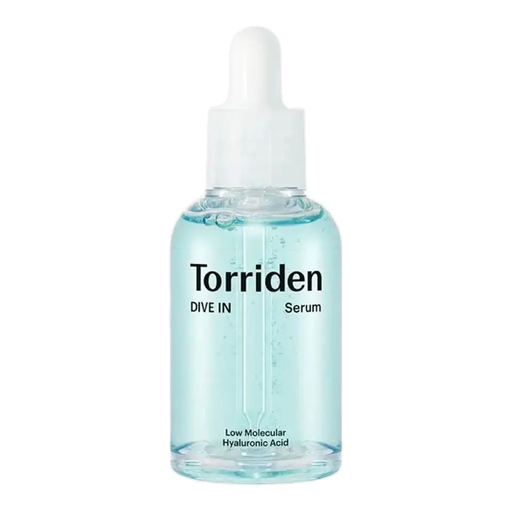
Why this product suits this profile: This 50ml serum is designed for daily hydration and contains five forms of hyaluronic acid, along with panthenol, ceramides and beta-glucan.
The selection is based on clearly named hydrating ingredients rather than vague anti-ageing or glow claims.
Fragrance-free, vegan and lightweight formula according to the product information; suitable for use morning and evening.
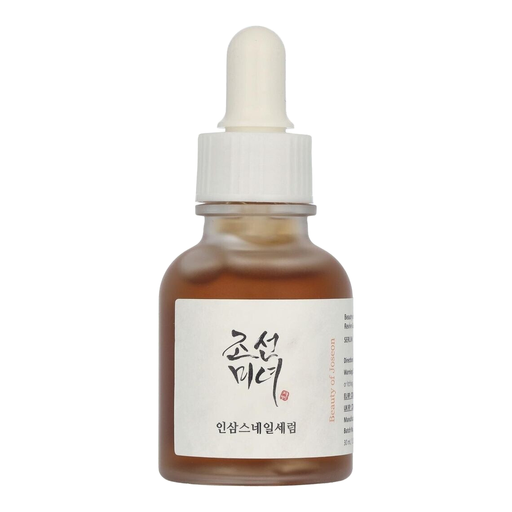
Why this product suits this profile: Ginseng, 3% snail secretion filtrate, niacinamide and hyaluronic acid combine hydration and skin conditioning in a single step of your routine.
The ingredients list makes it clear which hydrating and conditioning components are actually included.
30ml size, several forms of hyaluronic acid and Centella asiatica extract according to the product description.
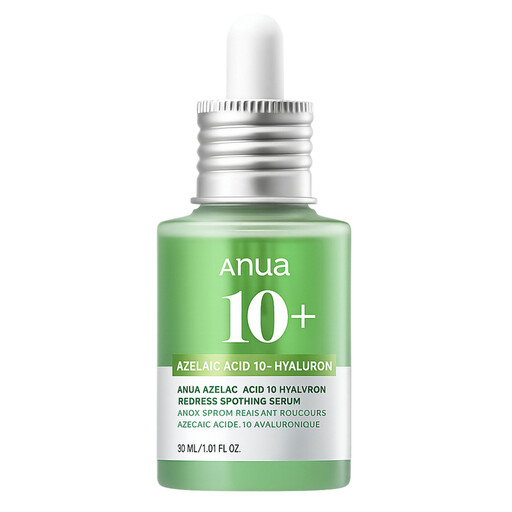
Why this product suits this profile: The formula is designed for sensitive and blemish-prone skin, combining 10% azelaic acid with hyaluronic acid, panthenol and cica ingredients.
According to the product information, application begins with a few drops and low frequency. This allows you to monitor your individual tolerance gradually.
Watery texture, 30ml size, and described as non-comedogenic and gentle. The current packaging information is authoritative.
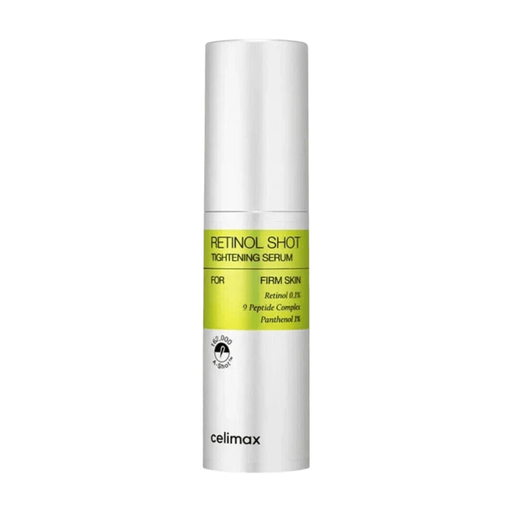
Why this product suits this profile: This retinol serum contains retinol, bakuchiol, peptides, ceramides and hyaluronic acid, and is designed for evening use.
The manufacturer’s information recommends an introductory phase, a patch test and avoiding strong acids or highly concentrated vitamin C at the same time.
30ml size, encapsulated or stabilised retinol according to the product description, and clearly explained night-time use.
We have put together a complete, regularly updated list of products that fully meet these strict selection criteria and the safety regulations applicable in the EU.
Apply a Korean serum after cleansing and, if appropriate, after toner. A few drops are usually enough; follow with a moisturiser. If you use a vitamin C serum or retinoid, daytime sun protection of at least SPF 30 is advisable. New active ingredients should be introduced one at a time. Patch testing a small area of skin before your first full application can provide an indication of individual tolerability.
If redness, stinging, itching or swelling persists, stop using the product and seek medical advice if necessary. Retinol and retinal should only be used during pregnancy and breastfeeding after consulting a doctor or in accordance with professional advice.
The expiry date or the open-jar symbol on the packaging is the key reference. Store the serum in a cool, dry place away from direct light, in accordance with the manufacturer’s instructions. Current packaging may differ from older product information.
A serum for dry skin often contains hyaluronic acid, glycerine, panthenol, beta-glucan, squalane or ceramides. However, the effectiveness of your hydrating skincare also depends on the moisturiser you apply afterwards and your routine as a whole.
Combining them is not necessarily ruled out, but it does make your routine more complex. If you have sensitive skin, it is sensible to use the products at different times and introduce each one separately at first. The guidance on the packaging and the current INCI list should take priority.