
Lieferung heute & morgen

Qualitätsgarantie

Willkommens-Angebote freischalten: KOSTENLOSE Lieferung | Bis zu 80 % RABATT | Kostenlose 30-Tage-JoyPlus-Testphase
App herunterladen
A Korean face serum can be a targeted addition to your skincare routine. There’s plenty to choose from, from hydrating and niacinamide serums to vitamin C, azelaic acid and retinal serums. But eye-catching packaging shouldn’t be the deciding factor. What matters is whether the ingredients, texture and how you use the serum suit your skin’s needs.
As Joybuy Product Recommendation Officer, I assess product claims against clear, verifiable criteria. This can help you avoid common buying mistakes.
Percentage claims can sound impressive, but they don’t tell you on their own how well a product will suit your skin. A 10% niacinamide serum may work for some skin types, while sensitive skin may be more comfortable with a lower concentration. It’s also worth checking for other ingredients, such as fragrance, essential oils or exfoliating acids.
A serum for enlarged pores may make your skin look smoother or help support its moisture balance. However, it won’t permanently change the structure of your pores. When choosing a product, the full INCI list, texture and suitability for oily or combination skin matter more than a single marketing claim.
Don’t introduce a vitamin C serum, retinal serum, salicylic acid or azelaic acid serum all at once. If you combine several new active ingredients, it can be difficult to tell which product has caused a reaction. Introducing products gradually and doing a patch test is a more practical approach.
Ingredients are listed in descending order. Product claims such as “for sensitive skin” aren’t a guarantee that a product will suit everyone. Formulas can change, so check the INCI list on the packaging you receive.
A lightweight serum is often a good choice for combination skin or for wearing under make-up. Richer formulas may feel more comfortable on dry skin. The amount in the bottle also affects value for money: 30 ml used in a few drops per application is different from a 150 ml booster for the face and neck.
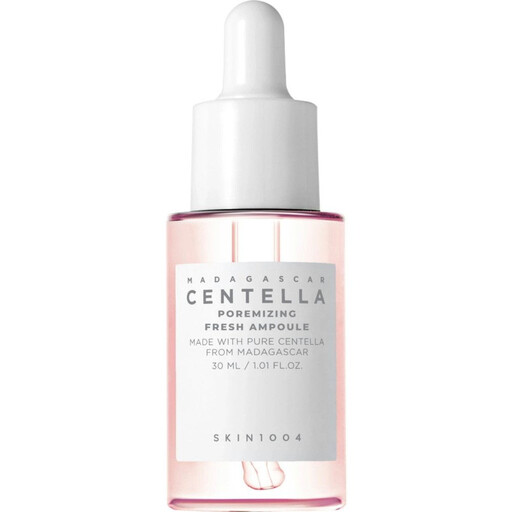
Why it suits this skin profile: The lightweight ampoule combines centella asiatica extract, panthenol and several forms of hyaluronic acid. It’s a good fit for a straightforward routine for combination, oily or sensitive skin.
The product description outlines the texture, size and key ingredients rather than relying on a vague claim about pores. Check the current INCI list on the packaging before use.
30 ml size, quick absorption according to the product information, and a combination of humectants and centella extract.
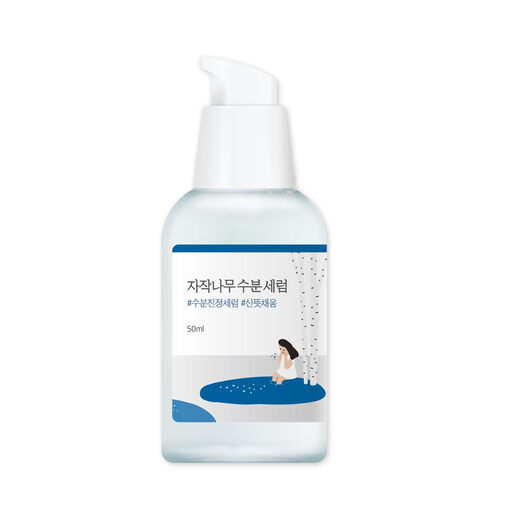
Why it suits this skin profile: If you’re looking for a straightforward hydrating product, this lightweight formula contains birch sap, glycerin, beta-glucan and several forms of hyaluronic acid.
The choice is based on clearly listed ingredients and a recommended application of one to two pumps, rather than a blanket promise of results.
50 ml size, described as vegan, and a blend of humectants and skin-conditioning ingredients.
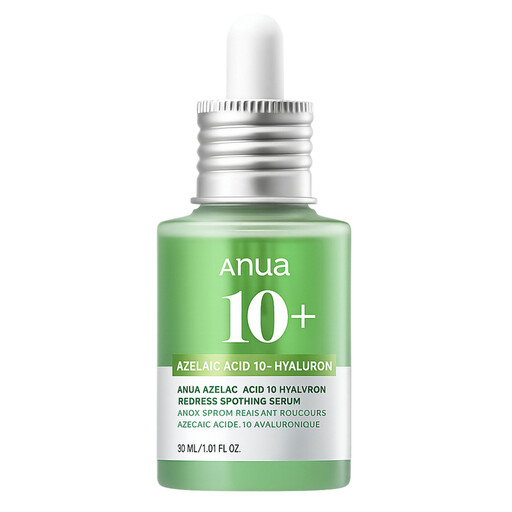
Why it suits this skin profile: The formula lists 10% azelaic acid, hyaluronic acid, panthenol and cica ingredients. The recommended gradual introduction is a good fit for a cautious approach to active ingredients.
According to the product information, start by using it once or twice a week. Patch testing, gradually increasing use and sun protection are all specifically recommended.
10% azelaic acid, hyaluronic acid and ceramides; 30 ml size and a lightweight, watery texture according to the product description.
We’ve put together a comprehensive, regularly updated list of products that meet these strict selection criteria and the safety regulations applicable in the EU.
A serum is usually applied after cleansing and, if you use one, after toner. Follow with a moisturiser. If you’re using a vitamin C serum or a serum for dark spots, apply sun protection in the morning. Use retinal products in the evening as directed on the packaging, and introduce them gradually.
Close the bottle or pipette securely after use and keep it out of direct sunlight. Stop using the product if you experience burning, persistent redness or itching. Don’t apply products to broken or severely irritated skin.
A hydrating serum with glycerin, panthenol, hyaluronic acid or beta-glucan can be a good addition to your routine. Be sure to apply a moisturiser afterwards, so your skincare routine isn’t made up of a watery product alone.
Check the best-before date, batch symbol and, where applicable, the PAO symbol on the packaging. After opening, keep an eye on the product’s smell, colour and consistency. If you notice any significant changes, stop using it.
Hydrating products are often easier to combine than several active ingredients. Test retinal, acids and highly concentrated vitamin C products separately to begin with. Keeping your routine simple makes it easier to see how well your skin tolerates each product.