
Lieferung heute & morgen

Qualitätsgarantie

Willkommens-Angebote freischalten: KOSTENLOSE Lieferung | Bis zu 80 % RABATT | Kostenlose 30-Tage-JoyPlus-Testphase
App herunterladen
A Korean face serum can be a targeted addition to your daily skincare routine. There’s a huge range to choose from, with retinal, retinol, niacinamide, hyaluronic acid, peptides and ceramides often promoted for visible improvements. What matters isn’t the boldest marketing claim, but the combination of your skincare goals, ingredient concentrations, directions for use and how well your skin tolerates the product.
An anti-ageing serum containing retinol or retinal may be chosen to care for mature skin. However, this doesn’t guarantee a reduction in wrinkles. Similarly, a niacinamide serum may be a useful addition to a routine for an uneven-looking complexion, but it won’t necessarily remove pigmentation.
So, check:
Retinol, retinal, vitamin C, acids and essential oils can affect sensitive skin in different ways. Even a retinol serum described as gentle should first be tried on a small area of skin. Stop using it if redness, burning, itching or flaking persists.
Retinoids and some antioxidant ingredients are sensitive to light, air and heat. If you’re planning to use a product just a few times a week at first, a 15 ml size may be more suitable than a larger bottle. Also check the best-before date, batch number and, where applicable, the period after opening.
Start by matching your skincare goal to a suitable ingredient profile:
Terms such as ‘shot’, ‘booster’ or ‘intensive’ describe how a product is positioned. The stated ingredient concentration and full INCI list are more useful. For example, celimax THE VITA-A RETINAL SHOT TIGHTENING BOOSTER lists 0.1% retinal. That’s a specific detail, whereas words such as ‘fast’, ‘deep’ or ‘precise’ aren’t proof of performance on their own.
If you’re using a product containing retinoids, don’t start by combining several potent ingredient groups in your evening routine. It’s best to introduce retinal or retinol gradually. If you’re pregnant, trying to conceive or breastfeeding, only use products containing retinoids after seeking medical advice.
Your serum should fit in with your existing routine. Lightweight, watery textures often work well in layered skincare routines. Richer or milky formulas may suit dry skin, but don’t necessarily need to be paired with additional products.
Look for:
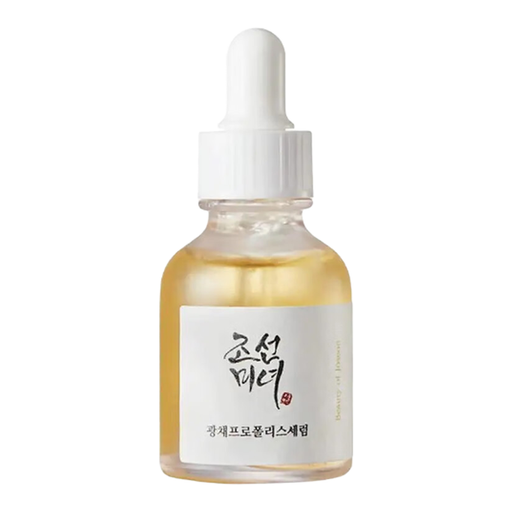
Why it suits this profile: The combination of 60% propolis extract and 2% niacinamide may appeal if you’re looking for a lightweight K-beauty serum for everyday use and a more balanced-looking complexion.
The stated ingredient amounts make the formula easier to assess than vague claims about ‘glow’ or pore care. The INCI list also includes Sodium Hyaluronate.
Lightweight texture, 30 ml size and clear information about the propolis and niacinamide content.
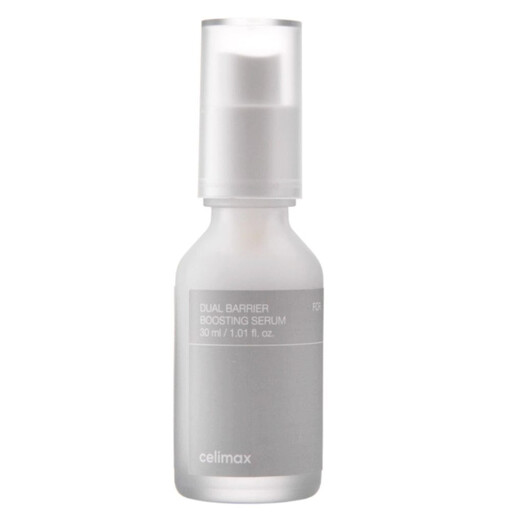
Why it suits this profile: Designed for dry and sensitive skin, this formula can be used in a multi-step skincare routine in the morning and evening.
Rather than focusing on a single trending ingredient, the product description lists five ceramides, panthenol, cholesterol and hyaluronic acid.
A light, milky texture; according to the product information, it’s intended for daily use in the morning and evening.
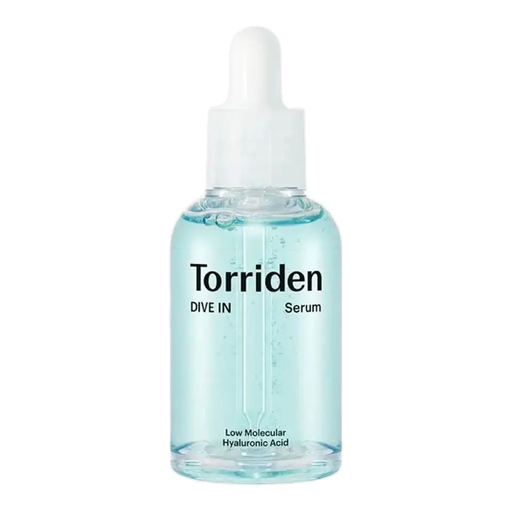
Why it suits this profile: The 50 ml size and recommended morning and evening use make it a good option if you want to use a hydrating serum regularly.
The formula goes beyond simply using the term ‘hyaluronic acid’, listing five forms of hyaluronic acid as well as panthenol, ceramides and beta-glucan.
50 ml size, listed as fragrance-free, with a hydration-focused ingredient profile.
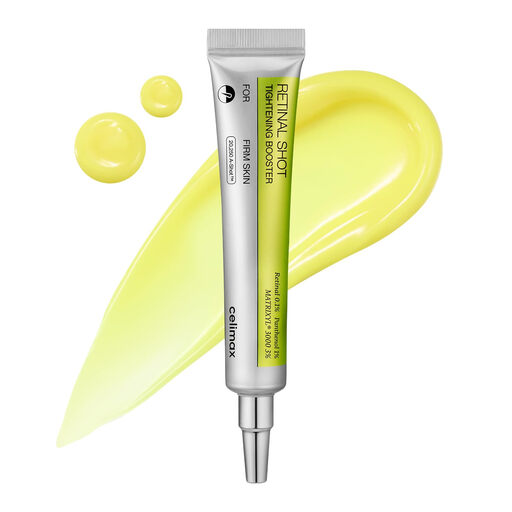
Why it suits this profile: The product lists 0.1% encapsulated retinal, 3% Matrixyl 3000 and panthenol. It’s intended for people who want to add a retinal serum to their evening routine gradually.
The stated retinal concentration and recommended adjustment period help you assess the product beyond its marketing claims.
A compact 15 ml size for a controlled introduction; use in the evening only and apply sun protection the following day.
We’ve put together a complete, regularly updated list of products that meet these strict selection criteria and fully comply with the safety regulations in force in the EU.
Start with a cleansed face, then apply a few drops or a small amount from the pump. With a hyaluronic acid serum, slightly damp skin may feel more comfortable; follow with a cream to lock in moisture. Retinal and retinol products should generally be part of your evening routine. The next morning, it’s a good idea to use sun protection with an appropriate SPF.
Avoid introducing several new active ingredients at once. One possible approach is:
A hydrating serum containing glycerin, hyaluronic acid and panthenol can be a good starting point. If your skin is also sensitive or feels tight, consider ceramides and cholesterol. It’s important to follow with a cream to help prevent the added moisture from being lost too quickly.
This depends on the product, packaging and manufacturer’s instructions. Check the period-after-opening symbol, the best-before date and the storage instructions. Retinal and retinol products should be kept tightly closed, somewhere cool and away from direct light.
Hyaluronic acid and niacinamide can often be used together in the same skincare routine. If you’re using retinol or retinal, start with just one retinoid and see how your skin responds. Introduce new combinations with acids or high-strength vitamin C gradually. If you have an existing skin concern or aren’t sure what to use, advice from a dermatologist may be helpful.