
Lieferung heute & morgen

Qualitätsgarantie

Willkommens-Angebote freischalten: KOSTENLOSE Lieferung | Bis zu 80 % RABATT | Kostenlose 30-Tage-JoyPlus-Testphase
App herunterladen
Korean face serums combine lightweight textures with carefully selected skincare ingredients. However, the wide range of K-Beauty serums, hydrating serums, niacinamide serums and centella serums does not automatically make choosing the right product easier. If you focus only on high percentages, eye-catching packaging or claims such as “Glass Skin”, you can quickly end up buying a product that does not suit your skin’s needs.
A percentage initially appears clear-cut. However, on its own, it says little about tolerability, the complete formulation or how often the product should be used. A niacinamide serum with 5 % may be sufficient for many routines, while a retinal or acid product with a more intensive formulation may require a gradual introduction.
That is why it is important to consider the combination of active ingredient, concentration, texture and usage instructions. If you have sensitive skin, test a new serum on a small area of skin first.
Ginseng, centella, rice, peach and botanical extracts are typical ingredients in Korean skincare. Plant-based ingredients can complement a formulation, but they are not automatically suitable for everyone. Essential oils, fragrances or numerous botanical extracts may also be undesirable for sensitive skin.
Checking the complete INCI list is more informative than terms such as “clean”, “herbal” or “natural”.
Formulations for Korean face serums may change depending on the production batch. Before buying and after receiving the product, check:
The information on the product packaging determines the current formulation.
First, identify your main goal:
A serum can combine several properties. Nevertheless, for a straightforward routine, it is sensible to begin by defining one primary skincare goal.
A Korean serum should fit easily into your existing skincare routine. Water-based products are usually applied after cleansing and, if required, toner. Follow with moisturiser and sunscreen during the day.
Pay attention to the consistency:
Using several active serums at the same time increases complexity. Vitamin C, acids, azelaic acid and retinal should not be combined in a single routine without careful consideration.
A hyaluronic acid serum may contain different molecular forms. This does not automatically indicate a particular depth of penetration or guarantee a specific result. What matters is the complete formulation and whether you apply a moisturiser afterwards to help retain moisture in the skin.
With a vitamin C serum, you should distinguish between pure ascorbic acid and more stable derivatives. The products in this selection include 3-O-ethyl ascorbic acid and plant extracts containing vitamin C, among other ingredients. If you are using a serum for pigmentation, suitable sunscreen during the day is also an important part of your routine.
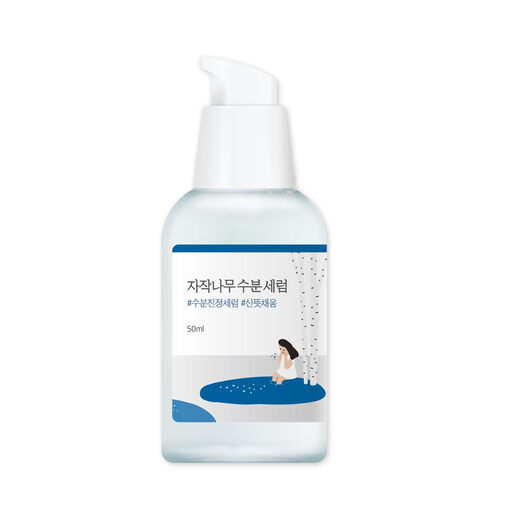
Why this product suits this profile: Its lightweight, non-sticky texture and combination of birch water, glycerin and several forms of hyaluronic acid make it suitable for uncomplicated daily hydration.
The product description lists specific ingredients, usage instructions and the period after opening instead of relying solely on general glow claims.
50 ml capacity, vegan product claim and a hydrating formulation with beta-glucan and hyaluronic acid.
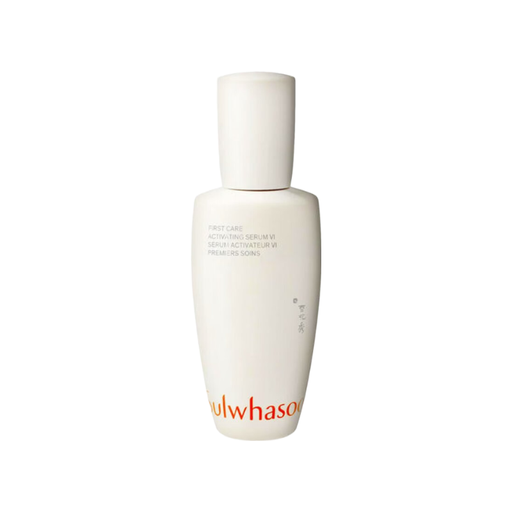
Why this product suits this profile: The larger 90 ml bottle and combination of botanical ingredients and fermented ginseng appeal to people who value an extensive skincare routine.
The recommended application of 2–3 pumps and the product description make it easy to understand how to use. The fragrance is described as herbal, which should be taken into account if you are sensitive to fragrance.
90 ml capacity, pump bottle and a ginseng-based formulation for use morning and evening.
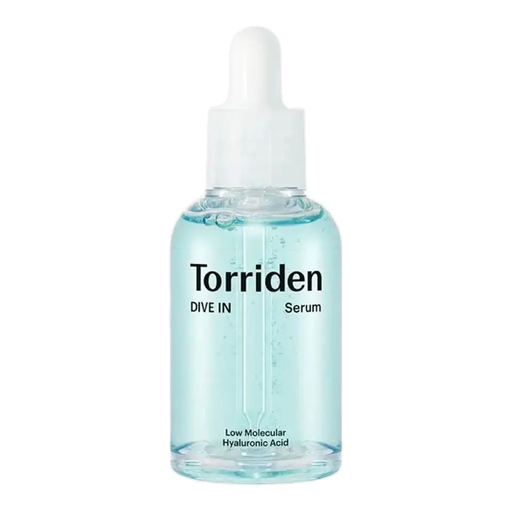
Why this product suits this profile: Five forms of hyaluronic acid, panthenol, ceramides and beta-glucan make it an obvious option for people who want to incorporate intensive hydration into a multi-step routine on a regular basis.
The formulation clearly lists the relevant hydrating and barrier-supporting ingredients. The stated absence of fragrance reduces a common uncertainty when choosing a product.
50 ml capacity, vegan product claim, lightweight texture and ceramides as part of the formulation.
If you are using a serum for sensitive skin, it is best to start gradually. Do not introduce several new active ingredients at the same time. If persistent burning, itching, swelling or pronounced redness occurs, stop using the product and seek medical advice if necessary.
We have put together a complete, regularly updated list of products that fully meet these strict selection criteria and the safety regulations applicable in the EU.
For a straightforward routine, one carefully selected face serum is usually enough. Two products can be combined if their active ingredients and textures work well together. New active ingredients should be introduced one at a time.
This depends on the individual product. Many products state a Period After Opening of, for example, twelve months; however, the packaging, batch information and manufacturer’s instructions are decisive. Keep the serum tightly closed, in a cool place and protected from direct sunlight.
There is no universal answer. Look for a manageable INCI list, a fragrance-free formulation and clear usage instructions. A patch test before applying the product over a larger area can help you cautiously assess your individual tolerance.