
Lieferung heute & morgen

Qualitätsgarantie

Willkommens-Angebote freischalten: KOSTENLOSE Lieferung | Bis zu 80 % RABATT | Kostenlose 30-Tage-JoyPlus-Testphase
App herunterladen
Korean face serums, also known as K-beauty serums, vary considerably in their active ingredient concentrations, textures and how they should be used. A low price or bold claim tells you little about whether a Korean serum is right for your skincare routine.
A serum with 10% niacinamide, 10% azelaic acid or a high retinoid content may sound impressive at first. However, concentration alone does not show how well your skin will tolerate the product. The rest of the formula, how often you use it and how it interacts with other products also matter.
This description may refer to a particular skin test or the way a product is positioned. It is no substitute for checking the full INCI list. Fragrance, essential oils, alcohol, salicylates or highly active vitamin A derivatives may not suit everyone.
A serum for large pores may temporarily make your skin look more even. A serum for dark spots or redness can cosmetically improve the appearance of certain skin concerns. This does not mean it will create a permanent change or provide medical treatment. If you have persistent skin problems, consider seeking advice from a dermatologist.
Start with your skincare goal, then consider the brand:
The full ingredients list on the packaging is more useful than brief marketing copy. Check for:
Retinol and retinal require particular care. The product information provided for the Celimax formulas advises introducing them gradually and using them in the evening. If you are pregnant, trying to conceive or breastfeeding, use vitamin A derivatives only after seeking medical advice, and always follow the relevant product warning.
A watery serum is usually easy to apply under a cream. Richer formulas may feel more comfortable on dry skin, but can be more noticeable under make-up. For many products, a few drops after cleansing and toner is the usual amount. Using more will not necessarily give you better results.
Also avoid introducing several potent active ingredients at once. Retinal serums, retinol serums, acids and highly concentrated vitamin C products should not be combined in the same evening routine without careful consideration. Stop using the product if you experience burning, persistent redness or severe flaking.
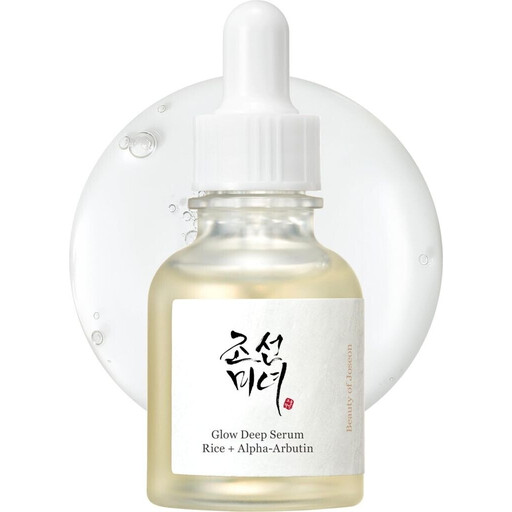
Why this product suits this profile: The formula contains alpha-arbutin, niacinamide, glycerin and panthenol. It is a good fit for beginners looking for an uncomplicated serum to hydrate and help give their skin tone a more even appearance.
You can check the active ingredients against the INCI list. Still, check the current packaging and carry out a patch test before using it regularly.
30 ml; alpha-arbutin, niacinamide, glycerin and panthenol in a lightweight serum formula.
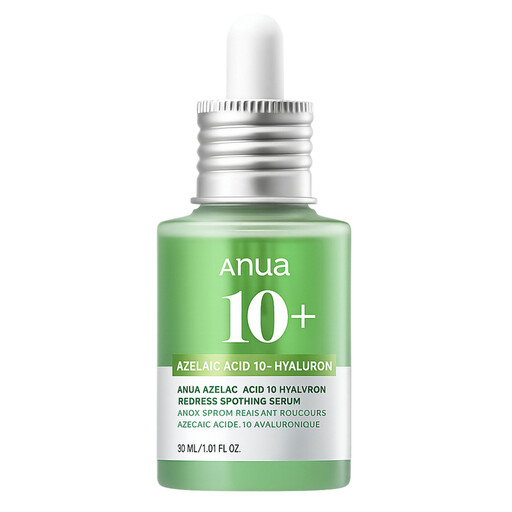
Why this product suits this profile: According to the product information, the serum combines 10% azelaic acid with panthenol, hyaluronic acid and centella ingredients. It is designed for people with sensitive skin that is prone to redness or blemishes.
The product information recommends starting with once or twice a week. This gives you a chance to observe how your skin reacts, rather than applying it too often straight away.
Azelaic acid, hyaluronic acid, panthenol and ceramides; 30 ml; can be introduced gradually.
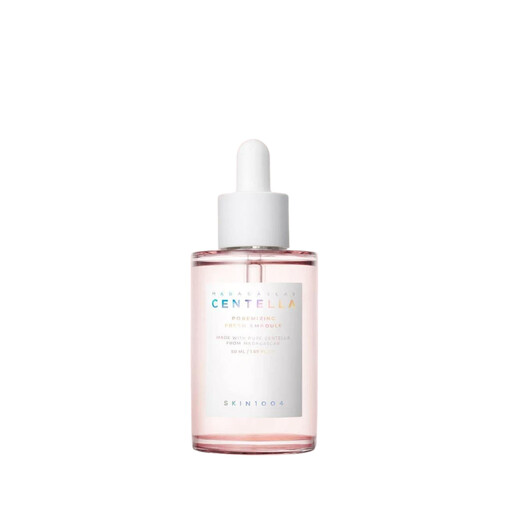
Why this product suits this profile: Its lightweight ampoule texture and 50 ml size make it a good choice if you want to use a serum regularly for a smoother-looking complexion and extra hydration.
The product description lists centella, aloe, panthenol and several forms of hyaluronic acid. This makes its skincare benefits clear, rather than relying solely on general claims about pores.
50 ml; lightweight texture; centella, panthenol and three listed forms of hyaluronic acid.
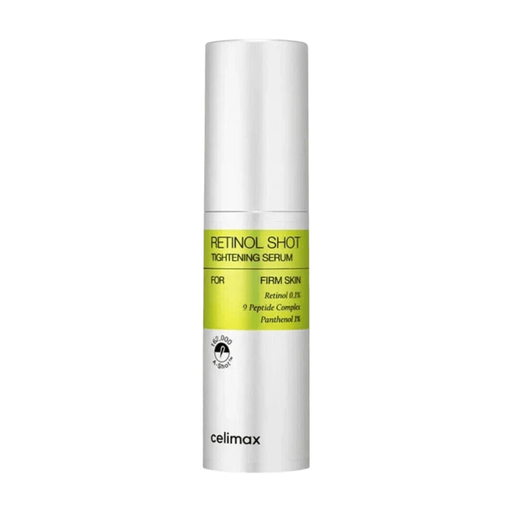
Why this product suits this profile: According to the product information, this retinol serum contains retinol, bakuchiol, peptides, ceramides and sodium hyaluronate. It is intended for a gradually established evening routine.
Starting with a small amount and applying it to a limited area at first can reduce the risk of changing your routine too quickly. Sun protection is essential during the day.
30 ml; retinol combined with bakuchiol, peptides, Ceramide NP and sodium hyaluronate.
We’ve put together a full, regularly updated list of products that meet these strict selection criteria and comply with the safety regulations in force in the EU.
Simple formulas containing panthenol, glycerin, hyaluronic acid or centella are often worth considering for sensitive skin. Check the ingredients list and start gradually when using azelaic acid, retinol, retinal, acids or fragrance. A patch test is not a substitute for a full tolerance assessment.
Follow the printed best-before date and the PAO symbol, such as “12M”. Store the serum according to the manufacturer’s instructions, usually in a cool, dry place away from direct light. Retinal and retinol products need particular care, as light and heat can affect the formula.
Hydrating products are usually easier to combine than several active ingredients. Introduce new products one at a time and see how your skin responds. For example, you can combine a hyaluronic acid serum with a gentle niacinamide serum. Retinol, retinal, salicylic acid, AHA and highly concentrated vitamin C products should not be used together without a carefully planned routine.