
Lieferung heute & morgen

Qualitätsgarantie

Willkommens-Angebote freischalten: KOSTENLOSE Lieferung | Bis zu 80 % RABATT | Kostenlose 30-Tage-JoyPlus-Testphase
App herunterladen
Korean face serums are among the most searched-for K-beauty products in Germany. The choice ranges from lightweight hydrating serums to niacinamide serums, vitamin C serums and retinol serums. The major advantage is that, depending on the formulation, you can tailor your skincare routine to dry, sensitive, blemish-prone or more mature skin.
However, having a wide choice does not automatically lead to the right purchasing decision. Marketing terms such as “glass skin”, “glow” or “tightening” often describe the desired appearance of the skin, but not the specific formulation. If you want to buy a Korean face serum, you should therefore focus above all on the INCI list, the concentration of active ingredients and the usage instructions.
A striking concentration may sound convincing, but on its own it says little about how suitable a product is for everyday use. What matters is which active ingredient is included, in what form and where it appears in the INCI list. A serum with 5% niacinamide may be easier to assess for many routines than a formulation containing numerous active ingredients that are not always explained in detail.
The same applies to descriptions such as vitamin C: you should distinguish between ascorbic acid and vitamin C derivatives. Product information may list different forms, such as 3-O-Ethyl Ascorbic Acid or Ascorbic Acid.
This claim is convenient, but it is not individualised. Fragrances, essential oils, retinoids or exfoliating ingredients may be less suitable for some people. If you have sensitive skin, it is worth checking the full ingredients list and carrying out a cautious patch test on a small area of skin.
A lightweight K-beauty serum can provide hydration, but it is not automatically a complete final step in your facial skincare routine. Depending on your skin type, apply a moisturiser after the serum. In the morning, your routine should also include sun protection with a suitable SPF, particularly if you are using ingredients marketed for brightening or retinoids.
First, match the product to your desired skincare goal:
The ingredients list shows which substances are actually included. Look out for:
The formulation may change from one batch to another. The INCI list on the packaging is therefore always decisive.
A 30 ml serum is compact and suitable for targeted applications. 50 or 100 ml may be more suitable for daily use on the face and neck. A watery ampoule is usually easy to layer under a moisturiser, while a gel-like or emulsifying texture may leave a slightly richer skincare feel.
Also pay attention to storage, the date of opening and the recommended amount. Applying more product does not automatically produce better results and may place unnecessary strain on the skin.
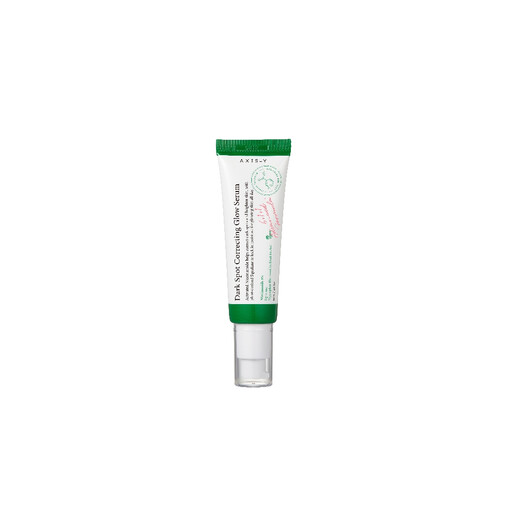
Why this product suits the profile: The 50 ml size and lightweight gel texture are suitable for a straightforward daily routine. According to the product information, the formula contains 5% niacinamide, squalane and several plant extracts.
The stated niacinamide concentration is clearly specified. This makes it easier to compare the product with an existing routine.
50 ml, 5% niacinamide and squalane according to the product description.
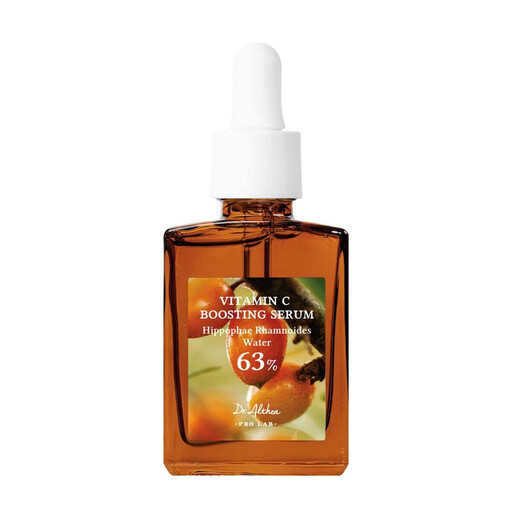
Why this product suits the profile: The INCI list includes niacinamide, tranexamic acid, Centella, hyaluronic acid and a vitamin C derivative, among other ingredients. This makes it interesting for buyers who want to compare several clearly named ingredients.
Alongside marketing terms, specific ingredients and usage instructions are provided. The fragrance-free claim is also stated on the product page.
30 ml, 5% niacinamide and 2% tranexamic acid according to the product description.
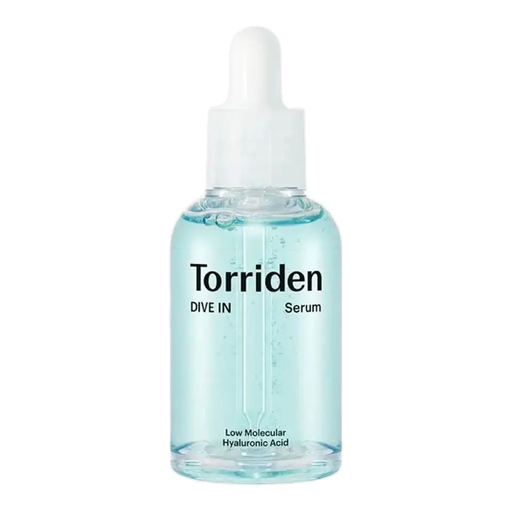
Why this product suits the profile: If hydration is your main priority and you want to use a serum morning and evening, this 50 ml formula contains five stated forms of hyaluronic acid.
The focus is clearly on hydration rather than a long list of heavily marketed specialist effects.
50 ml, five forms of hyaluronic acid, plus panthenol and ceramides according to the product information.
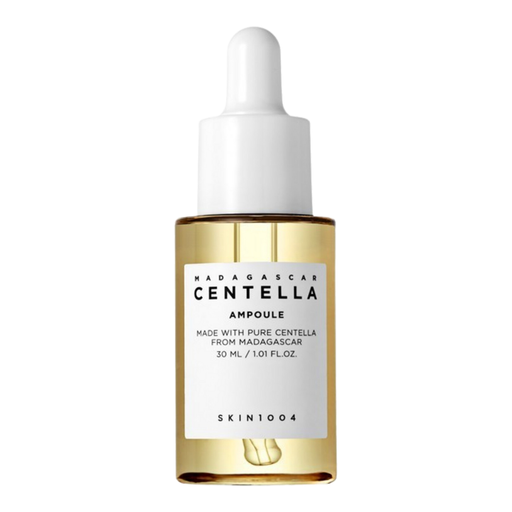
Why this product suits the profile: The stated formulation consists of Centella Asiatica Extract. Its watery texture is suitable for a pared-back skincare routine with just a few products.
The short INCI list makes it easier to check your personal exclusions. Nevertheless, you should carry out a small patch test before using it for the first time.
30 ml and a formulation centred on Centella Asiatica according to the product page.
We have compiled a complete, regularly updated list of products that fully meet these strict selection criteria and the safety regulations applicable in the EU.
Apply Korean face serums after cleansing and, where applicable, after toner. A few drops are usually enough. Follow with a moisturiser. New active ingredients should not be introduced in large numbers at the same time. A retinol serum is generally used in the evening and gradually incorporated into your routine. For vitamin C, niacinamide or azelaic acid, follow the respective manufacturer's instructions.
If you experience persistent redness, stinging, itching or other reactions, stop using the product. Avoid contact with the eyes. The packaging contains the binding information on shelf life, batch and storage.
A hyaluronic acid serum or hydrating serum containing glycerin, panthenol, beta-glucan or several forms of hyaluronic acid is an obvious choice. If you have dry skin, apply a moisturiser afterwards so that your skincare routine does not rely on the serum alone.
That depends on the specific formulations and your individual tolerance. For a straightforward routine, it is sensible to introduce just one new active serum at first. If you have sensitive skin, using them separately at different times of day or on alternate days may make it easier to monitor your skin's response.
The period-after-opening symbol, the best-before date and the manufacturer's information on the packaging are the key factors. Store the product as recommended, close it after every use and take particular care with exposure to light and temperature when using vitamin C or retinoid products.