
Lieferung heute & morgen

Qualitätsgarantie

Willkommens-Angebote freischalten: KOSTENLOSE Lieferung | Bis zu 80 % RABATT | Kostenlose 30-Tage-JoyPlus-Testphase
App herunterladen
Korean face serums are among the most searched-for products in K-beauty. The choice ranges from a lightweight hydrating serum and a niacinamide serum to a concentrated retinal serum. But that variety can make it harder to choose: a high percentage on its own says little about how well a product will suit your skin, and a glowing complexion on the packaging is no substitute for a well-formulated product that meets your needs.
If you’re looking to buy a Korean serum in Germany, there are three common pitfalls to avoid:
The product description should match what you want to use it for:
Cosmetic products can improve the appearance of your skin, but they aren’t a substitute for dermatological advice. If redness, burning or flaking persists, stop using the product and seek medical advice if needed.
With a retinal serum or retinol serum, the dosage and packaging are particularly important. Vitamin A derivatives are sensitive to light and air. Practical things to check include whether the packaging protects the product from light and seals tightly, as well as the stated best-before date or PAO symbol.
Start by using retinal and retinol on just a few evenings a week. Don’t apply them at the same time as strong exfoliants, highly concentrated vitamin C or other potentially irritating ingredients. Use a broad-spectrum sunscreen the following morning. If you’re pregnant, trying to conceive or breastfeeding, use vitamin A derivatives only after consulting a healthcare professional.
The ingredients listed on the product packaging are what count, as formulas can change. If you have sensitive skin, look out in particular for fragrance, essential oils and any ingredients you already know trigger a reaction. Even a serum that seems lightweight can be more demanding on your skin if it contains several active ingredients.
For daily use, texture and dosage matter: watery serums layer well under a moisturiser, while emulsifying or richer formulas may mean you need fewer additional skincare products.
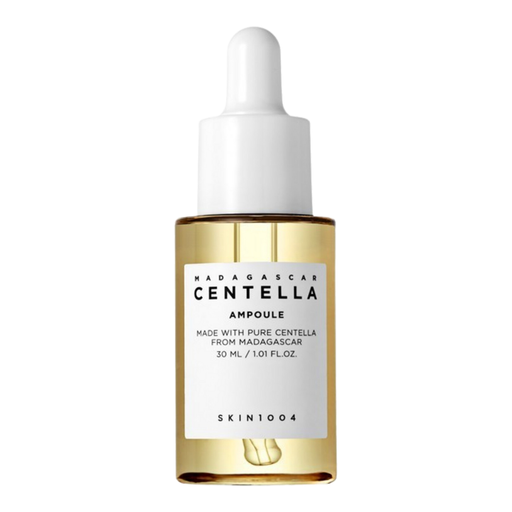
Why it suits this profile: With a short ingredients list featuring Centella asiatica extract, this is a good choice if you want to keep your routine simple to start with.
According to the product information, the formula focuses on one key ingredient rather than an unclear blend of many different active ingredient types.
Watery texture, 30 ml size and suitable for use in the morning or evening.
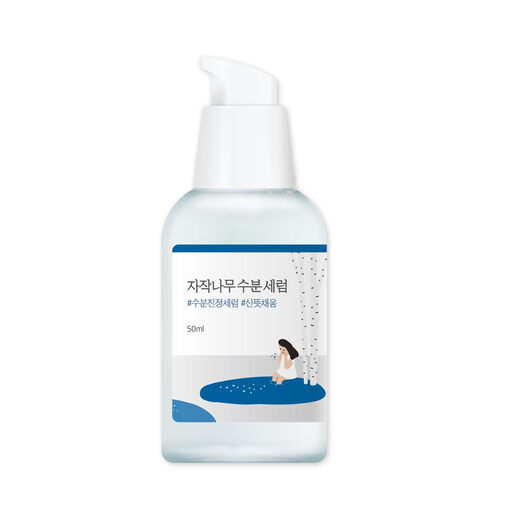
Why it suits this profile: If you’re looking for an everyday Korean serum with several hydrating ingredients, this one contains birch sap, glycerin and various forms of hyaluronic acid.
The product description names specific ingredients and describes a lightweight, non-sticky texture rather than making vague claims about its benefits.
50 ml size, described as vegan, and suitable for use in the morning and evening according to the product information.
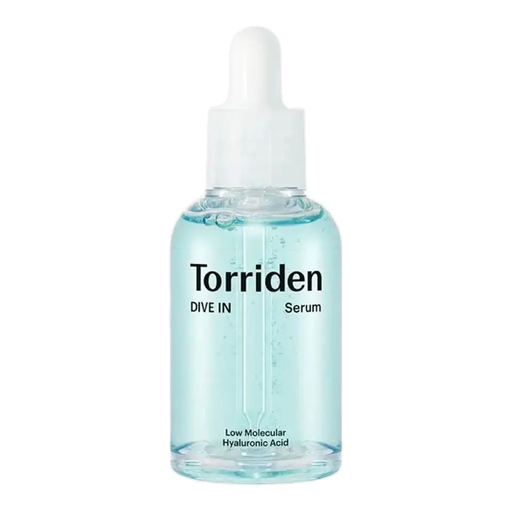
Why it suits this profile: For regular hydration, this serum contains five forms of hyaluronic acid, as well as panthenol, ceramide NP and beta-glucan.
The ingredients list makes it clear that the focus is on hydration and the skin barrier, rather than an aggressive combination of active ingredients.
50 ml size, described as fragrance-free, and a runny texture according to the product description.
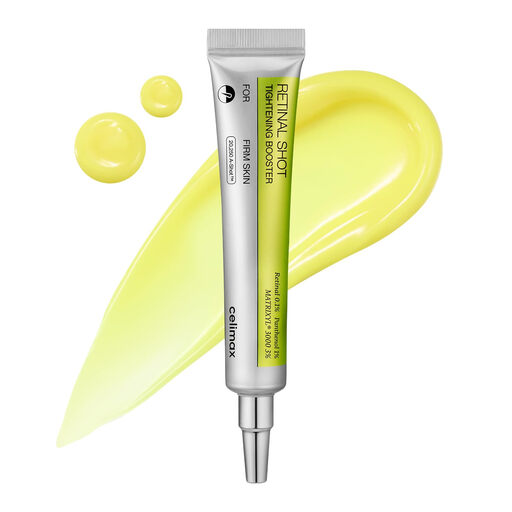
Why it suits this profile: According to the product information, it contains 0.1% retinal and is intended for people who want to add a vitamin A product to their evening routine.
The stated concentration and gradual introduction make it easier to use the product in a controlled way. Retinal shouldn’t be combined with other strong active ingredients without careful consideration.
0.1% retinal, peptides and panthenol according to the product description; suitable only for an evening routine introduced with care.
We’ve put together a complete, regularly updated list of products that fully meet these strict selection criteria and the safety regulations in force in the EU.
A hydrating serum with glycerin, panthenol and hyaluronic acid is a natural choice. Very dry skin will usually need a moisturiser afterwards, as a serum alone won’t lock in moisture for long.
Most routines don’t need both. They’re both vitamin A derivatives and can put a strain on your skin. If you want to use a retinal serum or retinol serum, start by using it infrequently and don’t introduce several vitamin A products at once.
Check the best-before date, batch number and PAO symbol printed on the packaging. Formulas that are sensitive to light and air should be kept tightly closed, in a dry place and away from direct sunlight.