
Lieferung heute & morgen

Qualitätsgarantie

Willkommens-Angebote freischalten: KOSTENLOSE Lieferung | Bis zu 80 % RABATT | Kostenlose 30-Tage-JoyPlus-Testphase
App herunterladen
A daily Korean face sunscreen with SPF 50 should offer reliable protection, feel comfortable on the skin, and work well with the rest of your skincare routine or makeup. However, for sensitive, red, dry, or blemish-prone skin, the number on the packaging alone isn't the deciding factor.
Three common buying pitfalls can mean a product ends up barely used after a short time:
SPF 50+ primarily refers to UVB radiation. So also look for ratings like PA++++, a circled "UVA" symbol, or a comparable UVA protection indicator. Korean products often use the PA scale; a high PA rating indicates stronger UVA protection within that system.
Protection also depends on the amount you apply. A thin layer isn't enough to achieve the stated sun protection factor. Apply the product generously to your face and neck as the last step of your morning routine. For prolonged sun exposure, reapply approximately every two hours, as well as after swimming, heavy sweating, or towel drying. Sunscreen doesn't replace additional measures like seeking shade, wearing protective clothing, and avoiding intense midday sun.
Mineral filters like zinc oxide or titanium dioxide sit on top of the skin and can be more visible depending on the formulation and application. Chemical or organic UV filters often allow for a thinner, more transparent texture. Hybrid products combine both approaches.
If you're looking for a sunscreen without a white cast, don't just rely on the marketing claims; also consider product images, any tint, and application instructions. For dry skin, ingredients like glycerin, panthenol, hyaluronic acid, or ceramides can be beneficial. For oilier skin, lightweight lotions or serum textures often feel more comfortable than rich creams.
Centella Asiatica, also known as Cica, is a frequently used ingredient in K-Beauty sunscreens. It's used in formulations designed to provide a soothing, cared-for skin feel. However, the concentration alone doesn't determine personal suitability.
Check the INCI list, especially if you have sensitive skin. The Purito product, for example, states it is "free from common fragrance allergens," whereas the ingredient list for the VT product includes Parfum. If you have known sensitivities, it's advisable to test the product on a small area of skin. If you experience redness, burning, itching, or swelling, discontinue use.
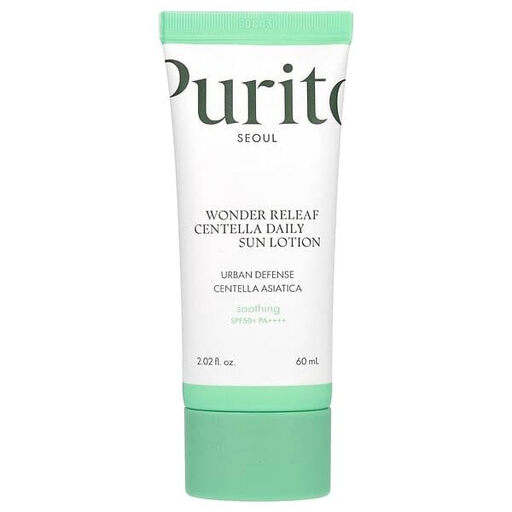
Why this product fits the profile: This lotion combines SPF50 with Centella Asiatica, multiple forms of hyaluronic acid, and niacinamide. Its lightweight texture is designed for a daily morning routine on the face.
The product details mention a lightweight lotion texture and state it is free from common fragrance allergens. However, individual tolerance should still be checked.
Centella extract, several hyaluronic acid derivatives, and SPF50 for daily use.
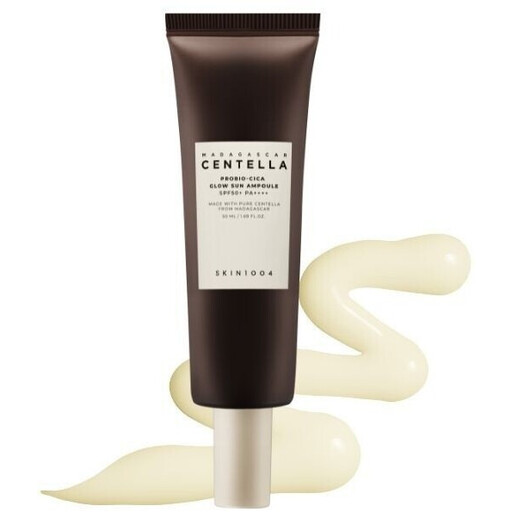
Why this product fits the profile: The ampoule texture combines SPF50+ and PA++++ with Centella Asiatica, panthenol, niacinamide, Ceramide NP, and fermented ingredients. The satin finish can be used as a skincare base or under makeup.
The details explicitly state SPF50+ and PA++++. The description also notes it can be applied without a visible white film.
SPF50+ with PA++++, hydrating ingredients, and a lightweight ampoule texture.
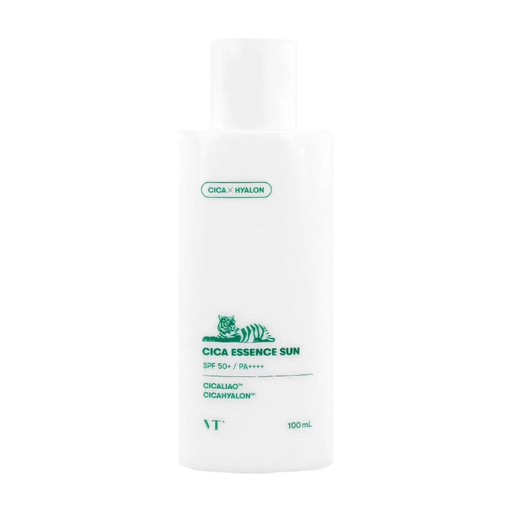
Why this product fits the profile: The 100ml size is ideal for those who reapply regularly or want to cover their face and other exposed areas. This milky essence is described as fast-absorbing.
The larger volume can make frequent reapplication easier. As Parfum is listed in the INCI, those sensitive to fragrance should consider their choice carefully.
100 ml content, SPF 50+ and PA++++, plus Centella, hyaluronic acid, and ceramide ingredients.
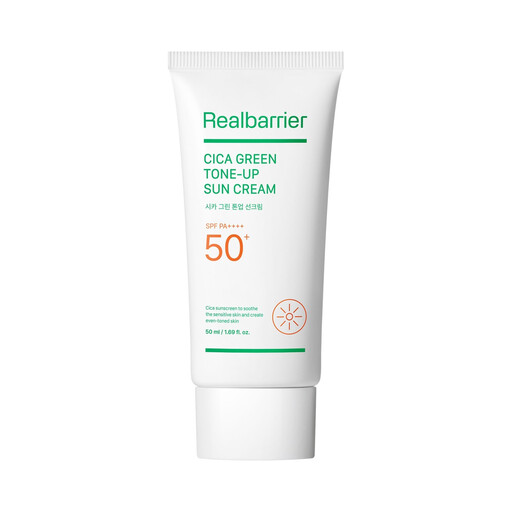
Why this product fits the profile: The green tint is designed to help neutralise redness visually. This cream contains zinc oxide, Centella Asiatica, niacinamide, and the manufacturer's stated MLE technology.
The tint can help reduce the appearance of a white film. As green pigments don't suit every skin tone, testing on a small area is advisable.
SPF50+ with PA++++, green tint, and zinc oxide as a UV filter.
We've put together a full, regularly updated list of products that meet these strict selection criteria and fully comply with EU safety regulations.
Apply your hydrating sunscreen as the final step in your skincare routine, after serum and moisturiser. Let the previous products sink in briefly so the sunscreen spreads evenly. If you wear makeup, a sun serum or lightweight sun lotion can be more practical than a heavily tinted cream.
For commutes, office days, and short time spent outdoors, a consistent morning routine isn't always enough: reapplication is especially important after exercise, swimming, heavy sweating, or towel drying. An SPF product should also not be seen as a free pass for prolonged direct sun exposure.
This depends on your individual skin and the specific formula. Ingredients like Centella, panthenol, glycerin, or hyaluronic acid can contribute to a comfortable, cared-for feel. However, fragrances, certain filters, or other ingredients may still be undesirable for some people. Check the INCI list and test the product on a small area first.
You need a generous, even amount for your face and neck. A practical guide is the two-finger rule: two finger-lengths of product for your face and neck, depending on the product's consistency and the packaging instructions. For prolonged sun exposure, reapply regularly.
The printed expiry date, the jar-open symbol, and the information on the packaging are your guides. Store the product in a cool, dry place away from direct sunlight. If the smell, colour, or consistency changes, the sunscreen should no longer be used.