
Lieferung heute & morgen

Qualitätsgarantie

Willkommens-Angebote freischalten: KOSTENLOSE Lieferung | Bis zu 80 % RABATT | Kostenlose 30-Tage-JoyPlus-Testphase
App herunterladen
A Korean facial cleanser can be a useful addition to your daily skincare routine when its texture, surfactants and ingredients suit your skin type. However, disappointing purchases are often down to choosing the wrong product rather than poor quality. A strongly foaming cleanser can leave dry skin feeling uncomfortably tight, while a very gentle cleanser may not leave oily skin feeling as clean as you’d like.
Terms such as pore cleansing, “Deep Cleansing” and “Blackhead Care” usually refer to removing sebum, make-up residue and dirt from the skin’s surface. A facial cleanser cannot permanently change the visible size of your pores. Depending on the formula, clay, activated charcoal or salicylic acid can help cleanse the skin, but they are not a substitute for dermatological treatment.
The amount of foam alone says little about how well a cleanser works or how suitable it is for your skin. The surfactants used, how long you leave the product on and how your skin feels after rinsing are all important. If you have dry or sensitive skin, a gentle facial cleanser with mild surfactants is often a better choice than a formula that strips away too much oil.
Salicylic acid, hyaluronic acid, Centella asiatica and clay can all be interesting ingredients. Their actual benefits, however, depend on the concentration, the product formula and how well your skin tolerates them. Some products provide specific details, while others simply list the ingredients. So before buying, check the latest INCI list on the packaging.
A low-pH cleanser is often slightly acidic and designed to be in keeping with the skin’s natural acid mantle. However, pH alone is no guarantee of quality. Also check whether the formula suits your skin and whether you experience dryness, stinging or redness after washing.
Salicylic acid is often used in products for oily and blemish-prone skin. Some formulas combine it with AHA or PHA. This may be more demanding on your skin, especially if you also use other exfoliants or retinoids. It’s a good idea to wear adequate sun protection during the day.
Centella asiatica, also known as tiger grass, is found in several K-beauty skincare products. The name alone is not a medical claim about how well a product works. For dry skin, humectants such as glycerin or hyaluronic acid are also worth looking for. Clay can absorb excess oil, but should be used with care if you have dry skin.
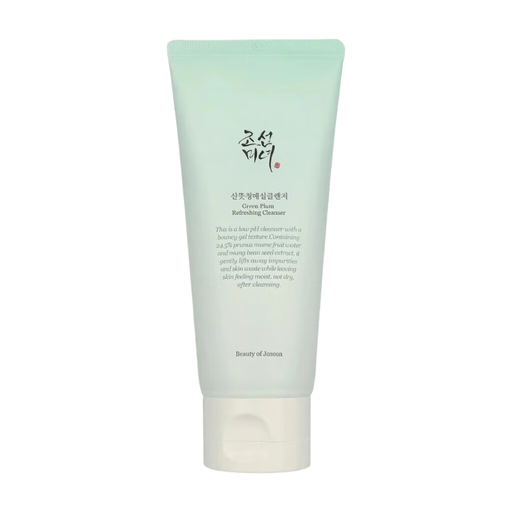
Why it suits this profile: Its gel texture and formula, described as mildly acidic, make this an easy-to-use introduction to daily facial cleansing.
The choice isn’t based solely on producing lots of foam or making aggressive cleansing claims.
According to the product information, it contains 24 % plum water and 3 % mung bean extract; size: 100 ml.
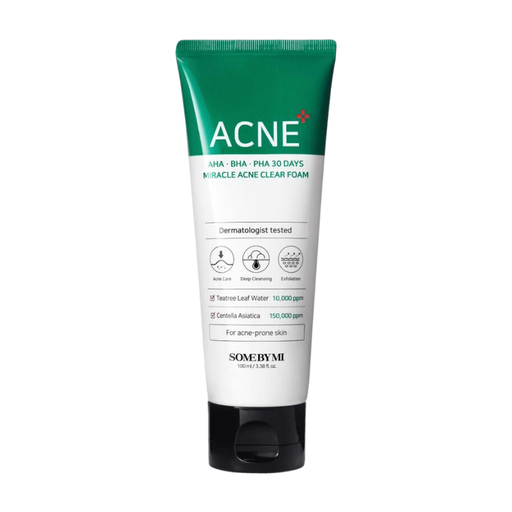
Why it suits this profile: For anyone specifically looking for a Korean cleansing foam with acids and willing to keep the rest of their skincare routine gentle.
The acids it contains are clearly listed. If you have sensitive skin, it’s sensible to introduce it carefully and do a patch test first.
According to the product information, the formula contains 5.000 ppm salicylic acid, as well as AHA and PHA; size: 100 ml.
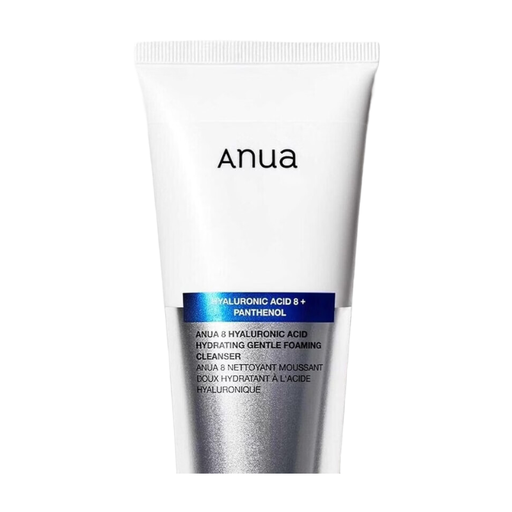
Why it suits this profile: The formula combines mild surfactants with glycerin, panthenol, betaine and several types of hyaluronic acid.
The focus is not on stripping away as much oil as possible, but on a stated combination of cleansing and hydration.
According to the product information, the formula contains eight hyaluronic acid complexes, zinc PCA and plant-based surfactants.
We’ve put together a complete, regularly updated list of products that meet these strict selection criteria and fully comply with the safety regulations in force in the EU.
Dispense a small amount of product into wet hands and work it into a lather first. Then spread the foam over your face without applying too much pressure. A short massage is enough; rubbing for too long can put unnecessary strain on your skin. Rinse with lukewarm water, then gently pat your skin dry.
If your cleanser contains salicylic acid, AHA or PHA, start by using it cautiously. Avoid using several strong exfoliating products at the same time if your skin is prone to stinging or redness. Stop using the product if symptoms persist and seek medical advice. Always follow the latest ingredients list, shelf life and directions for use on the original packaging.
For oily skin, you could consider formulas with salicylic acid, betaine salicylate, clay or a lightweight low-pH cleansing system. The key is whether your skin feels tight after washing. A facial cleanser that strips away too much oil may feel uncomfortable for everyday use.
According to manufacturers, many products are designed for use morning and evening. If your skin is dry, sensitive or reacts to acids, it may be better to start by using the cleanser once a day in the evening. Keep an eye on how your skin responds and adjust how often you use it accordingly.
It depends on the amount in the container, how much you use each time and how often you use it. A 100 to 150 ml product will usually last several weeks to a few months if you use it sparingly. For the exact shelf life after opening and the best-before date, check the packaging.