
Lieferung heute & morgen

Qualitätsgarantie

Willkommens-Angebote freischalten: KOSTENLOSE Lieferung | Bis zu 80 % RABATT | Kostenlose 30-Tage-JoyPlus-Testphase
App herunterladen
A Korean facial cleansing foam can make daily cleansing both pleasant and thorough. However, the wide selection of K-Beauty facial cleansers does not necessarily make choosing easier. Terms such as “Deep Pore”, “Brightening” or “Barrier Care” often describe a product’s positioning, but they do not replace a close look at ingredients, pH level, skin type and usage.
This shopping guide from the Joybuy Product Recommendation Officer explains what consumers in Germany should look for and which products are suitable for different needs.
A dense foam can feel pleasant on the skin. On its own, however, it says little about cleansing performance or skin compatibility. The key factors are the surfactants used, the contact time and the skincare that follows. If the cleansing foam is massaged in for too long or with excessive pressure, the skin may feel dry or tight.
Products labelled “Pore Control” or “Deep Pore” can remove excess sebum and residue. They do not permanently change the visible size of pores. When choosing a facial cleanser for blemish-prone skin, it is therefore important to maintain realistic expectations. Ingredients such as salicylic acid, betaine salicylate or LHA may be included in the formula, but should initially be introduced with care on sensitive skin.
Centella, heartleaf, mugwort and rice extracts are typical K-Beauty ingredients. They can complement a formula, but they do not guarantee individual compatibility. Fragrances, essential oils and certain surfactants may also be problematic for sensitive or redness-prone skin. The current INCI list on the packaging is therefore decisive.
A low-pH cleanser is often in the mildly acidic range. Examples in the range include products with a stated pH of 5.0 or 5.5. This can be particularly appealing for daily cleansing if the skin tends to feel dry soon after washing. However, a low pH alone does not make a product suitable for every skin type.
For dry or sensitive skin, mild surfactant systems, glycerine, panthenol and hyaluronic acid are useful points of reference. For oily skin, a somewhat more thorough cleanse may be beneficial, provided the skin does not feel excessively stripped afterwards.
The description “cleansing foam with centella” initially refers only to the ingredient Centella asiatica. No medical or therapeutic benefit should be inferred from this alone.
The selection ranges from 20 ml and 25 ml sizes for travel or trying a product to 150 ml and 200 ml bottles for daily use. For a product containing exfoliating ingredients such as salicylic acid or LHA, a smaller pack may be a sensible choice if you would first like to assess your skin’s tolerance.
A facial cleansing foam is not always sufficient for removing waterproof makeup or strongly adhering sunscreen. As part of a double-cleansing routine, you can first use a cleansing oil or cleansing balm in the evening, followed by a mild cleanser.
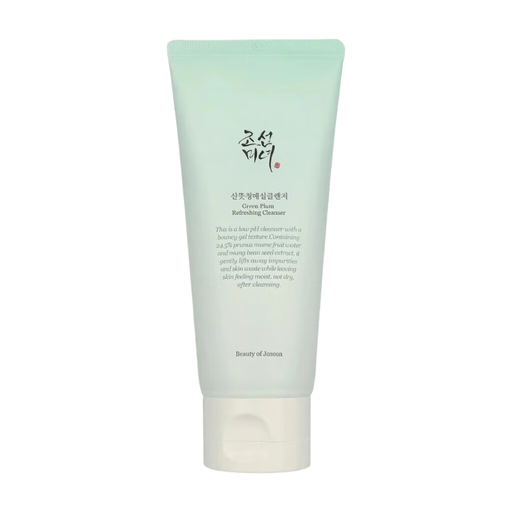
Why it is a good fit: The gel-like formula is appealing to anyone looking for a mild Korean cleanser for everyday use.
The product description identifies it as a mild, slightly acidic cleanser and recommends checking the packaging details.
24% plum water, 3% mung bean extract, 100 ml content.
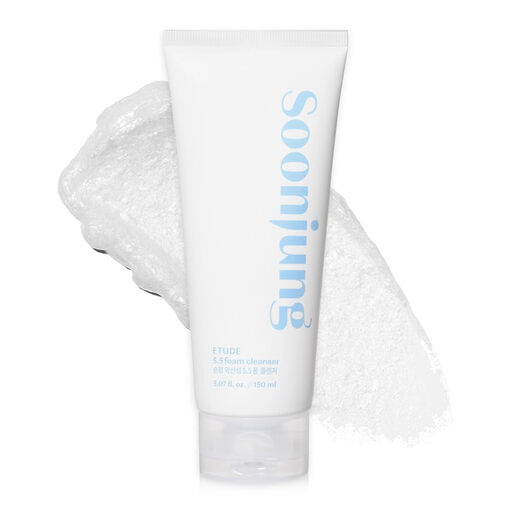
Why it is a good fit: An option for those who prefer a low-pH cleanser with panthenol and madecassoside.
The stated pH of 5.5 and the absence of fragrance listed in the product details are easier to verify than general claims about “gentleness”.
150 ml, creamy foam, panthenol and madecassoside according to the INCI list.
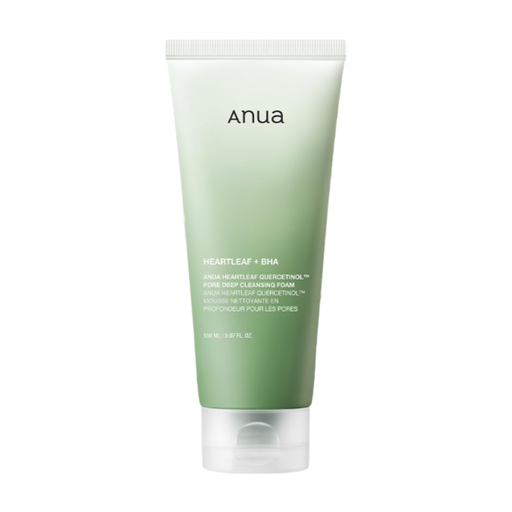
Why it is a good fit: For users who look for heartleaf, salicylic acid and multiple forms of hyaluronic acid when caring for their pores.
The formula names specific ingredients instead of relying solely on the “Deep Cleansing” label.
Heartleaf extract, salicylic acid, capryloyl salicylic acid and hyaluronic acid derivatives according to the product details.
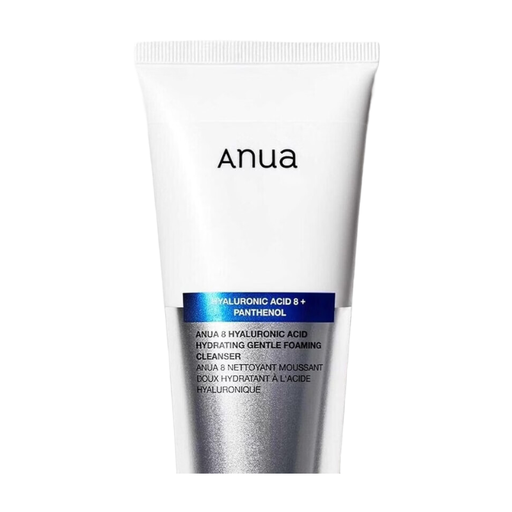
Why it is a good fit: An option for dry, dehydrated or sensitive skin when a hydrating facial cleanser is needed.
The selection is based on named humectants rather than marketing claims such as “intense hydration” alone.
Eight hyaluronic acid complexes according to the manufacturer, plus panthenol, betaine and zinc PCA.
For products containing salicylic acid or LHA, first follow the usage instructions on the packaging. Combining several highly exfoliating products can place unnecessary stress on the skin. Discontinue use if burning, redness or itching occurs. A patch test may be advisable before first use.
We have put together a current selection of products that can be compared by skin type, ingredients, pH level and intended use.
Depending on your skin type, a mild cleansing foam can be used morning and evening. For dry or sensitive skin, water alone or a single brief cleanse may be sufficient in the morning. Products containing exfoliating actives should not automatically be used twice a day.
The best-before date, the period-after-opening symbol and the information on the packaging are the key references. Close the tube or pump dispenser after use and store it in a dry place away from direct sunlight. If the colour, texture or scent changes, discontinue use.
A mildly acidic pH can feel comfortable for many skin types, but it should not be the sole selection criterion. Also check the surfactants, fragrance and active ingredients. For very dry, reactive or already irritated skin, the formula should be particularly pared back.