
Lieferung heute & morgen

Qualitätsgarantie

Willkommens-Angebote freischalten: KOSTENLOSE Lieferung | Bis zu 80 % RABATT | Kostenlose 30-Tage-JoyPlus-Testphase
App herunterladen
A Korean facial serum can be a targeted addition to your daily skincare routine. There’s plenty of choice, from hydrating facial serums with hyaluronic acid to formulas containing niacinamide, retinal or azelaic acid. But that variety can make it harder to compare products. A high concentration of an active ingredient isn’t automatically suitable for every skin type, and a bold marketing claim doesn’t tell you much about what’s actually in the formula.
‘10% niacinamide’ or ‘2% retinal’ may sound straightforward at first. But skin tolerance also depends on the other ingredients, how often you use the product and your individual sensitivity. A niacinamide serum may fit some people’s routines well, while frequent use may feel uncomfortable on sensitive skin.
With a retinol serum or retinal product, it’s also important to read the product information carefully, including the concentration and form of the active ingredient. Retinal and retinol aren’t the same. If you use the product in the morning, it’s sensible to apply sun protection with an appropriate SPF.
A serum for enlarged pores can leave your skin looking more cared for and help improve hydration. However, how visible your pores look depends on several factors, including skin type, sebum production and the way light reflects off your skin. Claims of lasting or complete changes should therefore be treated with caution.
You can’t compare 30 ml and 50 ml products based on the price of the bottle alone. It’s important to consider how many drops you need each time and whether the serum is intended for your whole face or just certain areas. A higher price per bottle may look different when you only need a small amount, compared with a cheaper product that you use more quickly.
The INCI list shows the ingredients in the order required by law. When choosing a Korean facial serum, these ingredients may be worth looking out for:
Always check the list on the product packaging, as formulas can change.
Dry skin often benefits from a combination of humectants and barrier-supporting ingredients such as panthenol, ceramides or beta-glucan. If you have oily or combination skin, a light texture that absorbs quickly may feel more comfortable. If your skin is sensitive, check for fragrance and declared allergens.
A ‘fragrance-free’ claim doesn’t automatically mean that every skin type will tolerate a product without problems. Before applying it to a larger area, it may be worth testing it on a small patch of skin. If you experience burning, persistent redness or a rash, stop using the product and seek medical advice if needed.
Cosmetics sold in Germany should have clear labelling, an INCI list, information about the product’s shelf life or PAO symbol, and details of a responsible person in the EU. This information isn’t a substitute for personalised dermatological advice, but it can help you make an informed choice.
If you use an active serum for pigmentation, sun protection should be part of your daytime routine. With retinol or retinal products, it’s particularly important to use them in the evening, introduce them gradually and follow the instructions on the packaging.
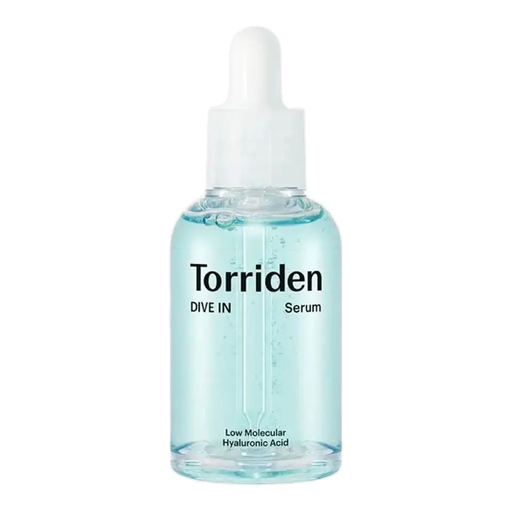
Why this product suits this profile: The 50 ml size and lightweight, fragrance-free formula make it a good choice if you’re looking for an uncomplicated hydrating facial serum to use morning and evening.
The product description lists five forms of hyaluronic acid, as well as panthenol, ceramides and beta-glucan. This lets you choose based on specific ingredients rather than marketing terms alone.
50 ml, described as fragrance-free, with several forms of hyaluronic acid and a lightweight texture according to the product description.
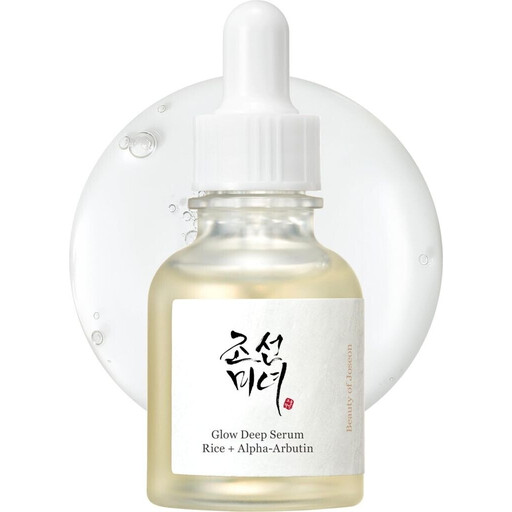
Why this product suits this profile: If you want to add a serum for dark spots to a well-structured routine, this product combines two clearly named ingredients: alpha-arbutin and niacinamide.
The INCI list specifically names alpha-arbutin and niacinamide. This makes it easier to assess than a product that relies on a general ‘glow’ claim.
30 ml, alpha-arbutin and niacinamide in the stated formula, to be used after cleansing and toner.
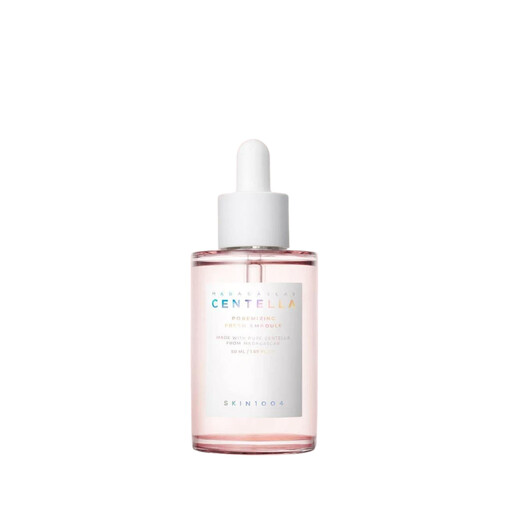
Why this product suits this profile: This option is for anyone looking for a lightweight texture and skincare for an uneven-looking complexion and visible pores.
The product information lists Centella asiatica extract, panthenol, several forms of hyaluronic acid and minerals. This gives you a clearer idea of the texture and skincare benefits than a blanket claim about pores.
50 ml, a lightweight texture described as fast-absorbing in the product information, and a peptide complex listed in the INCI.
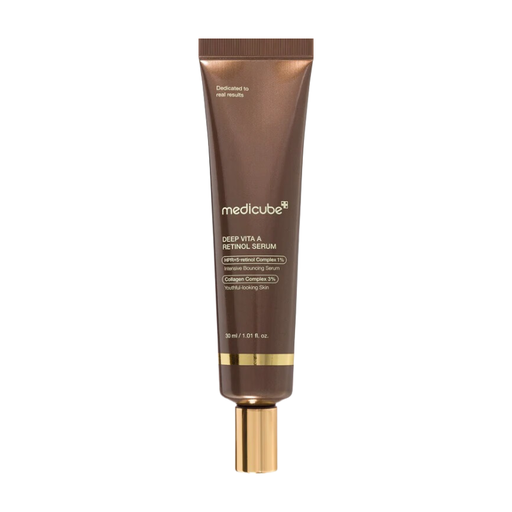
Why this product suits this profile: This serum is for anyone looking to use a retinol or retinal product in the evening and build up their routine gradually.
The product description mentions retinal, retinol and evening use. Introducing it gradually and checking the current packaging information can help you avoid overuse.
30 ml, retinal and retinol in the stated formula, plus additional moisturising and conditioning ingredients.
We’ve put together a comprehensive, regularly updated list of products that meet these strict selection criteria and fully comply with the safety regulations in force in the EU.
Don’t use several active serums at the same time without careful consideration. If you have sensitive skin, introducing one new formula at a time makes it easier to see how your skin responds.
A hyaluronic acid serum with glycerin, panthenol, ceramides or beta-glucan can be a good starting point. Following it with a moisturiser helps keep the hydration in your routine. Your individual skin tolerance is still key.
Look for ingredients such as niacinamide, alpha-arbutin, tranexamic acid or vitamin C derivatives, and check the details of the formula in question. Sun protection in the morning is an important part of your routine. If you notice new or changing patches of discoloured skin, seek medical advice.
It depends on the size of the bottle, how much you apply and how often you use it. With two to three drops per application, a 30 ml bottle will usually last longer than if you apply it generously to your face and neck. Check the PAO symbol and shelf-life information on the packaging.