
Lieferung heute & morgen

Qualitätsgarantie

Willkommens-Angebote freischalten: KOSTENLOSE Lieferung | Bis zu 80 % RABATT | Kostenlose 30-Tage-JoyPlus-Testphase
App herunterladen
Korean facial serums often combine lightweight textures with carefully selected ingredients. However, this is precisely what can make choosing one so difficult: a K-Beauty serum with a striking active ingredient does not automatically suit every skin type. If you focus only on percentages, “Glass Skin” promises or trendy packaging, you may end up buying a product that feels uncomfortable in everyday use or does not fit your existing skincare routine.
As a Joybuy Product Recommendation Officer, I filter market information according to clear, verifiable criteria. When it comes to Korean facial serums, three common purchasing pitfalls are particularly relevant:
The first step is to ask yourself a specific question: what should the facial serum do as part of your routine?
The complete INCI list is what matters, not just the advertising claim on the front of the packaging. Ingredients are generally listed in descending order of concentration, although exceptions apply to ingredients present in very low concentrations.
A serum should fit easily into your daily routine. Watery formulations are often suitable for applying several layers, while gel-like or lightly emulsified products may offer greater comfort for dry skin.
Look out for:
Product information can change between batches. Always check the packaging before use. Vitamin C and retinoid products are best stored in a cool place protected from light.
If you start using several products at once, it can be difficult to identify which serum has caused a reaction. Introduce a new serum on its own at first, or alongside a small number of products that you already know your skin tolerates well. If you have sensitive skin, a patch test on a small area is recommended.
Take particular care when combining retinol or retinal with high-strength vitamin C, salicylic acid, AHA or other intensive exfoliants. Always use products containing retinoids according to the instructions on the packaging, usually in the evening. During pregnancy, when trying to conceive or while breastfeeding, avoid retinoid-containing cosmetics and seek medical advice.
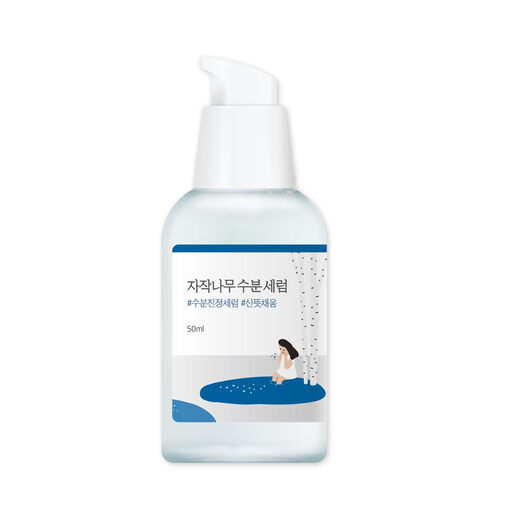
Why this product suits this profile: Its lightweight formulation is an uncomplicated introduction to Korean skincare when hydration and a pleasant skin feel are the main priorities.
The product description mentions glycerin, several forms of hyaluronic acid and beta-glucan rather than relying on a single, overhyped active ingredient.
50 ml content, vegan according to the product information, dermatologically tested according to the product description, and a fast-absorbing texture.
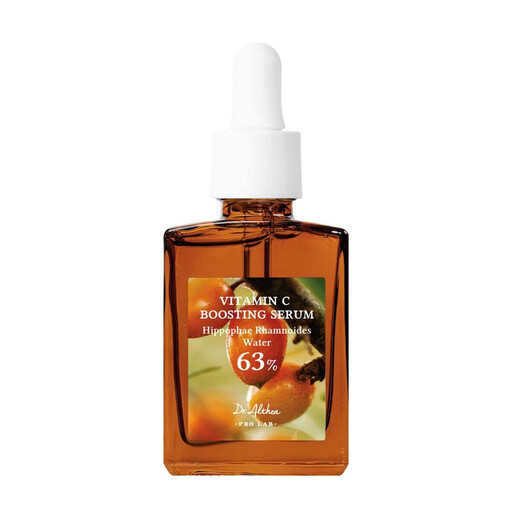
Why this product suits this profile: If you prefer several clearly identified ingredients, this formulation contains niacinamide, tranexamic acid, vitamin C derivatives, ceramides and hyaluronic acid.
The ingredients are listed in detail, making it easier to check whether the formulation suits your existing routine and your individual tolerance.
30 ml content; according to the product description, free from artificial colours and fragrances. It also contains ceramides and several humectants.
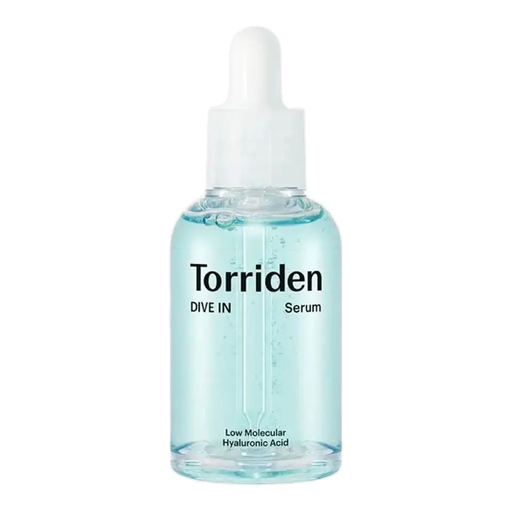
Why this product suits this profile: This hyaluronic acid serum is designed for regular morning and evening use and can be incorporated as a hydrating step into a range of routines.
The five listed forms of hyaluronic acid are combined with panthenol, ceramide NP and beta-glucan instead of relying solely on a trendy term.
50 ml; according to the product description, vegan, fragrance-free and with no declared allergens.
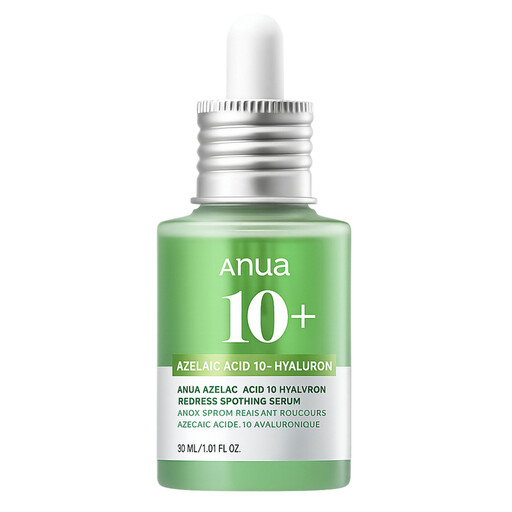
Why this product suits this profile: The combination of 10% azelaic acid, hyaluronic acid, panthenol and cica ingredients is aimed at shoppers who prefer a targeted, step-by-step routine.
The usage recommendation advises starting slowly, with one or two applications per week. This helps prevent an active formula from being used too frequently straight away.
30 ml; according to the product description, non-comedogenic and tested for low irritation. It also contains ceramide NP and beta-glucan.
We have put together a complete, regularly updated list of products that fully meet these strict selection criteria and the safety regulations applicable in the EU.
A niacinamide serum, hyaluronic acid serum or vegan facial serum can often be incorporated without difficulty. With a vitamin C serum, retinol serum or serum for pigmentation, however, you should check how it combines with other active products.
Follow the PAO symbol and the information on the packaging. For example, the Round Lab Birch Juice Serum states that it should be used within 12 months of opening. Light- and heat-sensitive formulations should be kept tightly closed and protected from direct sunlight.
For dry skin, hydrating serums containing glycerin, hyaluronic acid, beta-glucan, panthenol or ceramides are a natural choice. They can help replenish the skin with humectants. Applying a cream afterwards helps complete your skincare routine.
Yes, provided the formulations and your individual tolerance make this suitable. A hydrating serum can often be combined with a targeted active ingredient. However, retinol, retinal, high-strength vitamin C and exfoliants should not be added to the same routine without checking first. If irritation persists, stop using the products and seek medical advice if necessary.