
Lieferung heute & morgen

Qualitätsgarantie

Willkommens-Angebote freischalten: KOSTENLOSE Lieferung | Bis zu 80 % RABATT | Kostenlose 30-Tage-JoyPlus-Testphase
App herunterladen
A Korean facial toner can replenish moisture after cleansing and prepare your skin for serum or cream. However, the choice ranges from watery toners and milky formulas to toner pads with an exfoliating surface. This variety is precisely what makes buying difficult: a product that appeals to oily skin may be too much for sensitive skin.
Terms such as “Glow”, “Brightening” or “Pore Care” often describe a product’s focus, but they do not guarantee a particular result. The full INCI list is what matters. For example, niacinamide may be included in a hydrating facial toner, while AHA or BHA also provide an exfoliating function.
A facial toner for all skin types may offer a lightweight texture and broad suitability for everyday use. Even so, fragrances, essential oils, alcohol or multiple acids may not be suitable for everyone. If you have reactive skin, it is advisable to carry out a patch test on a small area before applying the product more widely.
An AHA-BHA toner and toner pads with an exfoliating side should not automatically be combined with additional exfoliants, retinoids or highly active serums. When using AHA and BHA, sun protection during the day is also advisable, as these acids can make the skin more sensitive to sunlight. Stop using the product if you experience burning, redness or a rash.
AHA, such as glycolic acid, works mainly on the surface of the skin. BHA, such as salicylic acid or betaine salicylate, is often used in products for oily or blemish-prone skin. The exact concentration and pH value are not available in every product description, so you should follow the information provided on the packaging.
For beginners, a non-exfoliating toner is often easier to incorporate into a daily routine. When using a toner for blemish-prone skin or a toner for pigmentation, gradual application is advisable. Acid-based products should not automatically be used in the morning and evening simply because this is recommended in some individual product descriptions.
A runny texture can be applied with your hands or a cotton pad. Milky toners often contain more nourishing or barrier-supporting ingredients. Toner pads are convenient because the dosage is already set. At the same time, they require more packaging and may be used up more quickly with daily use.
You should also check the fill quantity, shelf life, PAO symbol and batch number. For the German market, the information on the packaging is authoritative. Imported products should state the details of a responsible person in the EU.
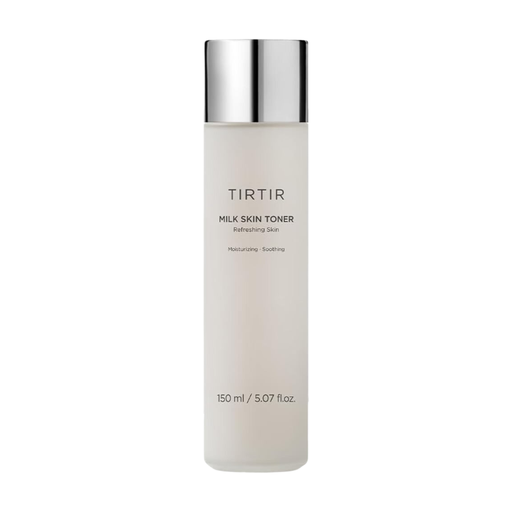
Why this product suits this profile: The 150 ml size and lightweight, milky texture are ideal for a straightforward daily routine in the morning and evening.
The product description lists specific ingredients such as niacinamide, ceramide NP, panthenol and rice bran extract, rather than relying solely on a general glow claim.
Lightweight texture, daily use according to the product information, plus ceramides and niacinamide in the INCI list.
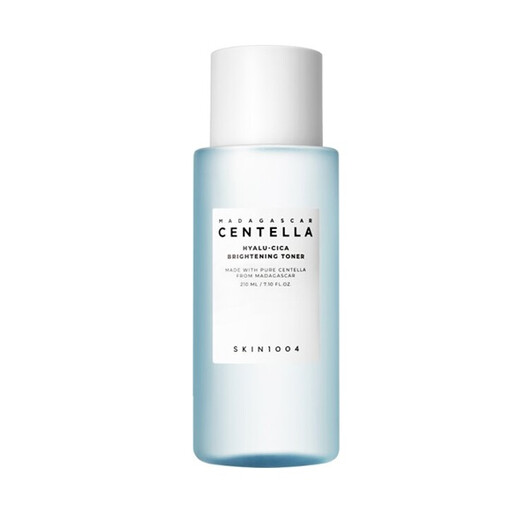
Why this product suits this profile: The combination of Centella asiatica extract, a hyaluronic acid complex, niacinamide and ceramides appeals to shoppers who want to compare INCI lists carefully.
The product details specify the fill quantity, texture, application and key ingredient groups, so the buying decision is not based solely on the term “Brightening”.
210 ml contents, lightweight texture, plus hyaluronic acid and Centella in the product description.
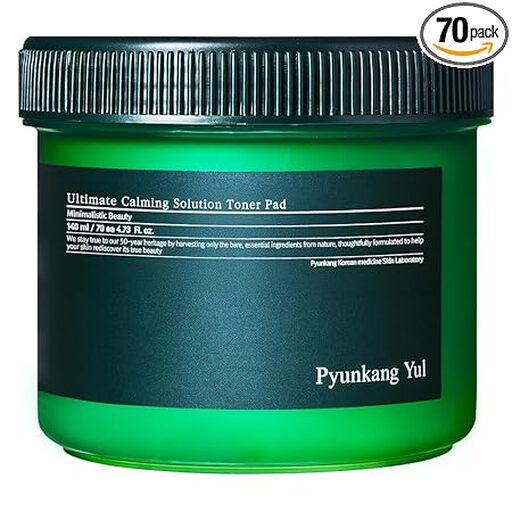
Why this product suits this profile: The pre-cut pads are ideal for quick skincare routines, travelling or targeted application to specific areas of the face.
The product description explains the dual-sided design: a textured side for gentle exfoliation and a smooth side for toning or use as a short facial mask.
70 pads, ceramides and shea butter according to the product information, plus two different application sides.
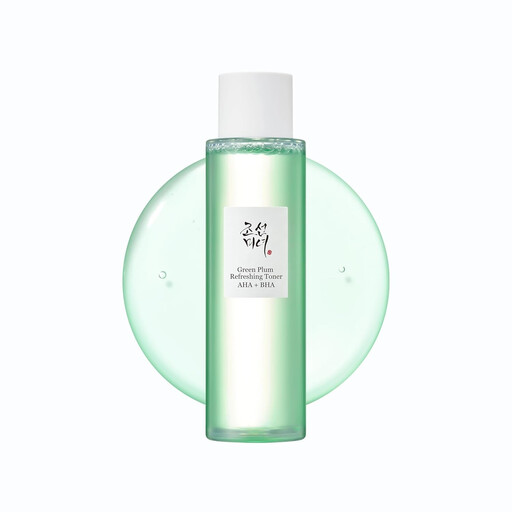
Why this product suits this profile: If you want to incorporate AHA and BHA consciously into your skincare routine, this clearly positioned product provides 150 ml of toner.
AHA and BHA are explicitly listed in the product description. This distinguishes the acid-based skincare benefits from those of a purely hydrating toner.
Glycolic acid and salicylic acid in the INCI list, complemented by green plum water and mung bean extract.
After cleansing, apply a small amount to your palms or a cotton pad and spread it over your skin without rubbing. With a soothing toner without acids, daily use is often recommended. Acid-based toners should initially be used at longer intervals. Toner pads should not be reused; dispose of each pad after use.
If your skin is very dry, you can follow with a serum or cream. If you use several products containing niacinamide, vitamin C or acids, consider your entire routine rather than assessing each ingredient individually.
We have put together a complete, regularly updated list of products that fully meet these strict selection criteria and the safety regulations applicable in the EU.
The specific best-before date and PAO symbol are shown on the packaging. Once opened, follow the stated period. If the smell, colour or consistency changes, stop using the product.
A straightforward, alcohol-free formula with as few potential irritants as possible and no exfoliating acids can be a sensible starting point. Centella, panthenol and ceramides are common ingredients in these formulas. A patch test is still recommended.
This depends on the fill quantity, number of pads and how quickly you use the product. Liquid toner can be dosed flexibly, while toner pads provide a fixed single portion. For a fair comparison, calculate the price per 100 ml or per pad.