
Lieferung heute & morgen

Qualitätsgarantie

Willkommens-Angebote freischalten: KOSTENLOSE Lieferung | Bis zu 80 % RABATT | Kostenlose 30-Tage-JoyPlus-Testphase
App herunterladen
A Korean facial toner can replenish moisture after cleansing and prepare the skin for serum or cream. However, there is a wide range to choose from: watery toners, milky lotions, gel toners and essence toners differ considerably in texture, ingredients and skin feel.
Focusing only on well-known active ingredients or high percentages does not automatically mean you will buy the right product. Three common marketing pitfalls frequently lead to unsuitable purchases:
A moisturising toner should fit into your personal skincare routine. For dry skin, common ingredients include glycerin, panthenol, betaine and hyaluronic acid. A milky or lightly creamy texture may feel more comfortable than a very fluid toner.
For sensitive skin, it is worth checking the complete INCI list. Fragrances, essential oils or numerous plant extracts may be undesirable for some people. A toner for sensitive skin should first be tested on a small area of skin. Even products marketed as “gentle” may be tolerated differently by different individuals.
For oily, blemish-prone or combination skin, a lightweight clarifying toner with niacinamide or salicylic acid may be worth considering. However, salicylic acid is an exfoliating ingredient. If you experience tightness, redness or excessive dryness, reduce or stop use.
The texture determines whether a facial toner becomes part of your daily routine:
After cleansing, an appropriate amount on your palms or a cotton pad is sufficient. There is no need for vigorous rubbing. For dry skin, you can apply a toner in a thin layer and follow with a moisturiser. A toner replaces neither cleansing nor sun protection.
Check the fill quantity, PAO symbol, best-before date or batch number and the current ingredients list on the packaging. Ingredients can change, so the information on the product itself is decisive.
For products containing acids, numerous plant extracts or highly concentrated formulations, it is sensible to introduce them gradually. Your daily K-beauty skincare routine does not need to consist of numerous steps. A suitable facial toner, an appropriate moisturiser and sun protection during the day can already provide a straightforward foundation.
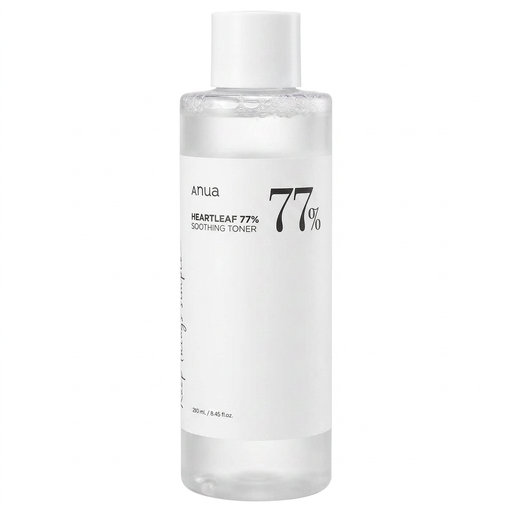
Why this product suits the profile: The 250 ml bottle and watery toner texture are ideal for a straightforward morning and evening routine. The product description lists betaine, glycerin, panthenol and Centella Asiatica as additional ingredients.
The choice is based not only on the advertised Heartleaf content, but also on the texture, fill quantity and additional humectants. The current INCI list should be checked before purchase.
250 ml contents, fragrance-free and non-comedogenic according to the product information; described as suitable for daily use.
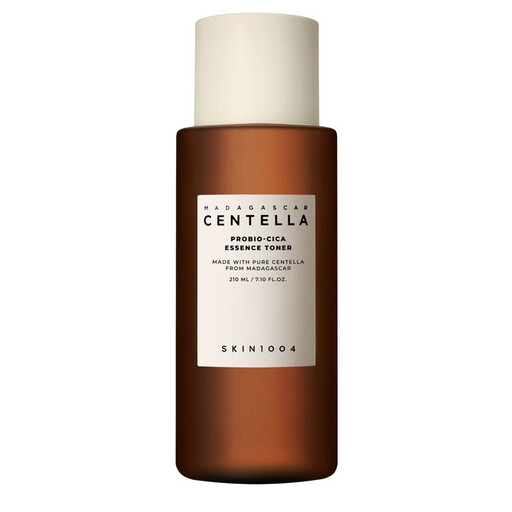
Why this product suits the profile: According to the product description, the essence-like formula combines Probio-Cica, fermented Centella, panthenol, ceramides and hyaluronic acid. This appeals to buyers who prefer a multi-layered barrier-supporting routine.
Rather than promoting just one trending active ingredient, the product description clearly identifies several moisturising and conditioning components. A patch test remains advisable for sensitive skin.
210 ml contents, lightweight texture and no artificial fragrances according to the product information; can be applied with your hands or a cotton pad.
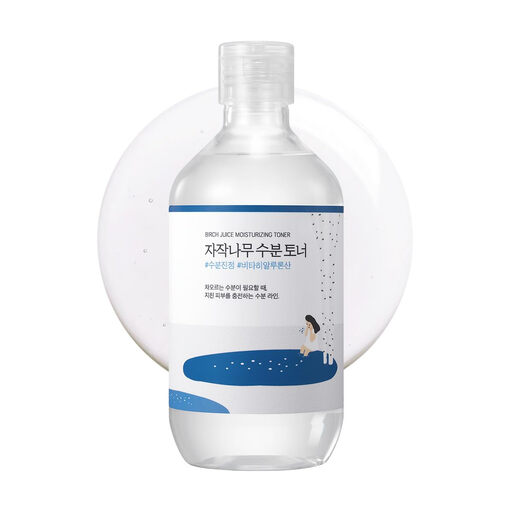
Why this product suits the profile: At 300 ml, this toner is suitable for regular use. The described fluid texture can be used after cleansing or for a brief, targeted application with a cotton pad.
The product information lists several forms of hyaluronic acid, as well as panthenol and allantoin. This means the choice is not based solely on birch juice or a single marketing claim.
300 ml contents, several hyaluronic acid components and use in the morning and evening according to the manufacturer’s information.
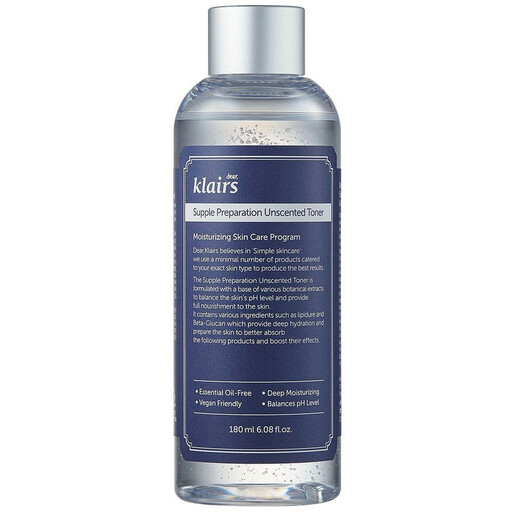
Why this product suits the profile: The fragrance-free version is appealing to users who want to keep their routine simple and avoid essential oils.
The “unscented” description is supported by specific product information. However, buyers should still check the current packaging, as INCI lists can change.
180 ml contents, hyaluronic acid and beta-glucan according to the product information; intended for use in the morning and evening.
We have put together a complete, regularly updated list of products that fully meet these strict selection criteria and the safety regulations applicable in the EU.
Apply the hydrating toner after cleansing. For sensitive skin, applying it with your palms is often gentler than vigorously wiping with a cotton pad. Start with one application per day and increase the frequency only if your skin feels comfortable.
According to the product information, a clarifying toner such as Village 11 Factory P Skin Formula Toner contains salicylic acid, niacinamide, Centella Asiatica and panthenol. It is therefore more suitable for oily, combination or blemish-prone skin types. If you are also using other exfoliating products, take particular care when planning your overall routine.
According to the directions, most products are intended for use in the morning and evening after cleansing. For a toner containing salicylic acid or PHA, it is advisable to introduce it gradually. If you experience burning, severe dryness or redness, stop using it for the time being.
The PAO symbol, printed best-before date and batch information on the packaging are the key points to follow. Close the bottle after use and store it in a dry, cool place away from direct sunlight. If the product’s smell, appearance or skin feel changes, stop using it.
Not necessarily. A toner can complement your skincare routine, but it does not replace dermatological advice or suitable cleansing and moisturising care. Lightweight, non-comedogenic formulations may be worth considering for blemish-prone skin. Exfoliating ingredients such as salicylic acid should be used according to your individual tolerance.