
Lieferung heute & morgen

Qualitätsgarantie

Willkommens-Angebote freischalten: KOSTENLOSE Lieferung | Bis zu 80 % RABATT | Kostenlose 30-Tage-JoyPlus-Testphase
App herunterladen
A Korean facial toner can add hydration after cleansing and prepare the skin for serum or moisturiser. However, there is a wide choice available: watery toners, milky lotions and essence products differ considerably in texture, ingredients and how they are used.
If you focus only on percentages or marketing claims such as “Glow” and “Barrier Care”, you can quickly end up with a product that does not fit your skincare routine. Three common pitfalls are particularly important:
A watery K-Beauty toner usually absorbs quickly and is suitable for applying several thin layers. This is practical for combination or oily skin, or for a minimalist routine. A hydrating toner containing glycerin, betaine, panthenol or hyaluronic acid may feel more comfortable on dry skin.
Milky toners such as the Anua Rice 70 Milky Toner Lotion also contain nourishing components. They can partly complement a lotion or lightweight serum, but do not automatically replace a final moisturiser. The key factor is how your skin feels after a few minutes: if it still feels tight, apply a moisturiser afterwards.
When choosing a Korean toner for sensitive skin, it is worth carrying out a straightforward check:
“Natural” and “clean” are not universally protected quality standards. Therefore, check the current ingredients list on the packaging. It may differ from older product information.
For sensitive or blemish-prone skin, fragrance-free and alcohol-free formulations are often a sensible starting point. However, this is not a guarantee of individual tolerance. Plant extracts, ferments and preservatives may also be relevant.
Apply the toner after cleansing using your hands or a cotton pad. Gently patting it in is sufficient; vigorous rubbing is not necessary. When trying a new product, it is advisable to test it first on a small area. Stop using it if you experience burning, redness or itching.
The following products differ in texture, ingredient focus and size. This selection is intended as practical guidance and does not replace individual dermatological advice.
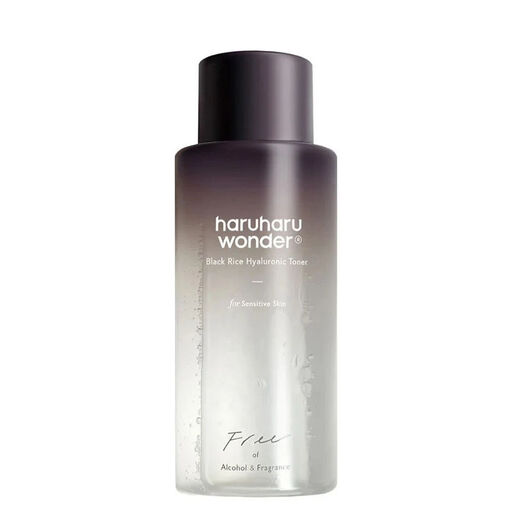
Why this product suits this profile: Its watery texture and focus on sensitive skin make it a straightforward introduction to Korean skincare.
The product description names black rice and hyaluronic acid and recommends use in the morning and evening. Its simple, lightweight application helps avoid unnecessarily complicated routines.
Watery, fast-absorbing texture; hyaluronic acid and black rice listed as key ingredients.
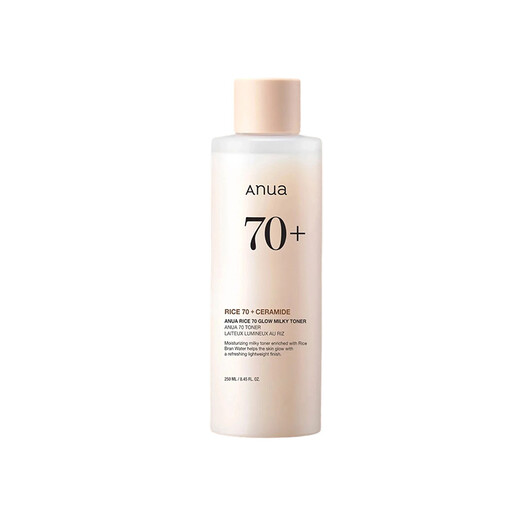
Why this product suits this profile: The milky lotion texture is designed for people who prefer a more nourishing feel after cleansing than a purely watery toner provides.
The product details explicitly state the texture, size and key ingredients. This makes it easier to compare the formulation with your own routine.
250 ml contents; rice water, niacinamide, ceramides and hyaluronic acid are listed in the product details.
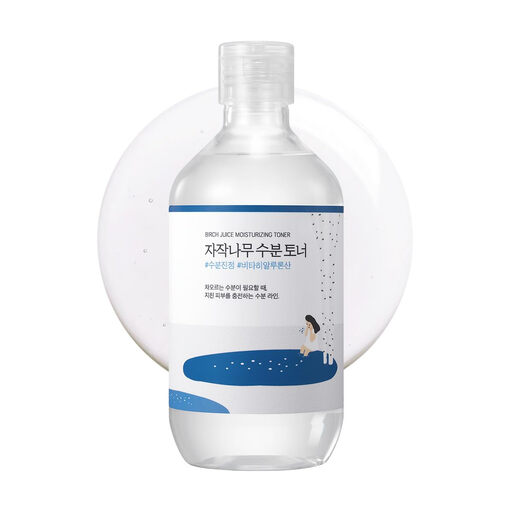
Why this product suits this profile: Its generous size is ideal for daily use or for people who apply toner liberally to their face and neck.
The details list several forms of hyaluronic acid, as well as panthenol and allantoin. The note about possible sensitivities to birch ingredients should also be taken into account.
300 ml contents; clear, lightweight texture and several listed hyaluronic acid components.
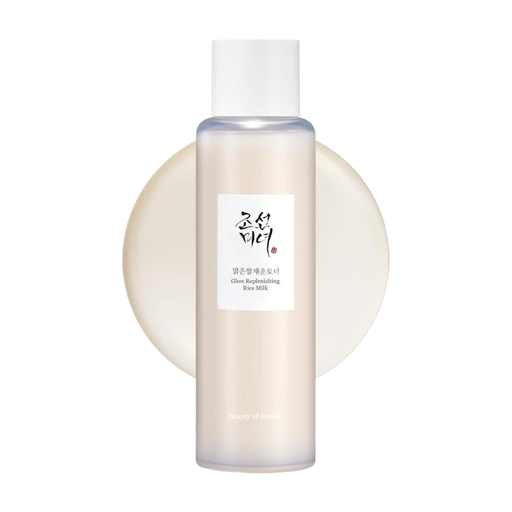
Why this product suits this profile: Its compact format and easy application are well suited to a straightforward routine with rice extract and humectants.
The product description highlights a lightweight texture and advises checking the complete INCI list on the packaging – important points when avoiding purchases based solely on Glow claims.
150 ml contents; rice extract, glycerin, betaine, panthenol and sodium hyaluronate are listed.
We have compiled a complete, regularly updated list of products that fully meet these strict selection criteria and the safety regulations applicable in the EU.
When using a toner for blemish-prone skin, avoid applying exfoliating ingredients in every other step of your routine at the same time. A simple routine makes it easier to observe how your skin responds to the new product.
Many products are intended for daily use in the morning and evening. If you have sensitive skin, it is sensible to introduce the product gradually: start by using it once a day or on selected days. Follow the instructions on the packaging and pay attention to your individual tolerance.
A hyaluronic acid toner can hydrate dry skin. As hyaluronic acid binds moisture, follow with a cream or lotion, particularly in dry indoor air. A milky toner may feel richer because of its additional nourishing ingredients.
Look for the open-jar symbol, known as the PAO indication, as well as the best-before information, batch number and storage instructions. Changes in smell, colour or consistency are a reason to stop using the product. The current information on the packaging takes precedence over general online information.