
Lieferung heute & morgen

Qualitätsgarantie

Willkommens-Angebote freischalten: KOSTENLOSE Lieferung | Bis zu 80 % RABATT | Kostenlose 30-Tage-JoyPlus-Testphase
App herunterladen
A Korean facial toner can complement your skincare routine after cleansing, but it is not automatically suitable for every skin type. There are clear differences between a lightweight hydrating toner, a soothing facial toner and an exfoliating toner containing AHA or BHA. If you focus only on familiar ingredient names or eye-catching packaging, you can easily end up buying a product that does not suit your skin in everyday use.
PDRN, collagen, Centella, rice, niacinamide and hyaluronic acid are common ingredients in Korean skincare. However, their mere presence says little about your individual tolerance or the formula as a whole. The complete INCI list, texture and intended use are what really matter.
For example, a toner with niacinamide may be designed to promote a more even-looking complexion, while a toner with hyaluronic acid primarily adds hydration to your skincare routine. Cosmetic products are not a substitute for dermatological treatment and should not be judged on the basis of therapeutic claims.
This statement usually describes a broad target audience, but it does not guarantee individual compatibility. Dry skin often benefits from a nourishing, humectant-rich texture. Oily or blemish-prone skin often prefers lighter formulas. For sensitive skin, fragrances, numerous botanical extracts or exfoliating acids may be unsuitable.
An exfoliating AHA BHA toner may contain glycolic or salicylic acid, or betaine salicylate. Daily use is not automatically appropriate. On sensitive or already stressed skin, using it too frequently can lead to tightness or irritation. Products containing AHA and BHA should be introduced gradually and combined with suitable sun protection.
Start by identifying your main goal:
Check whether the advertised ingredient actually appears in the current ingredients list. With a toner containing niacinamide or a toner with hyaluronic acid, the texture may also be important: Watery toners are suitable for applying several thin layers, while milky or gel-like products feel richer.
PDRN, collagen and fermented ingredients such as Galactomyces are widely used in Korean skincare. Their function should be considered objectively: they can form part of a hydrating or nourishing formula, but they are not a substitute for medical active ingredients.
With traditional bottles, volume, closure and dispensing opening are important practical considerations. Toner pads should be disposed of after each use. Using tweezers inside the container can reduce direct contact with the remaining pads. Also check the expiry date, batch number and the period-after-opening symbol on the packaging.
For products containing acids, the packaging should clearly provide information about how to use them, the eye area and sensitivity to sunlight. The information on the actual product takes priority, as INCI lists or packaging may change from one batch to another.
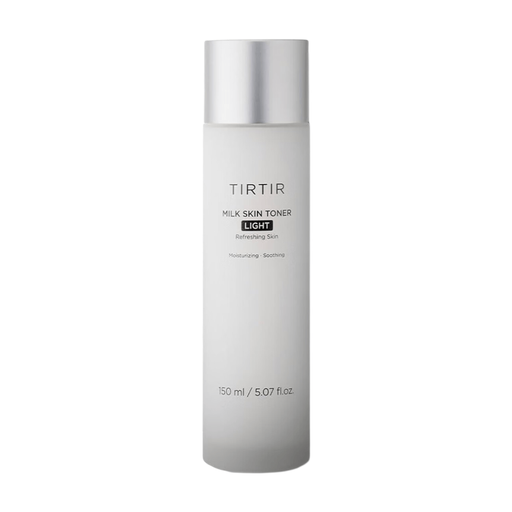
Why this product suits the profile: Its lightweight texture and stated properties, including being alcohol-free, fragrance-free and non-comedogenic, make it easier to get started with a daily Korean skincare routine.
The product information clearly states the relevant exclusions instead of simply relying on a general “gentle” claim.
Niacinamide, panthenol, allantoin and sodium hyaluronate; suitable for a straightforward morning and evening routine.
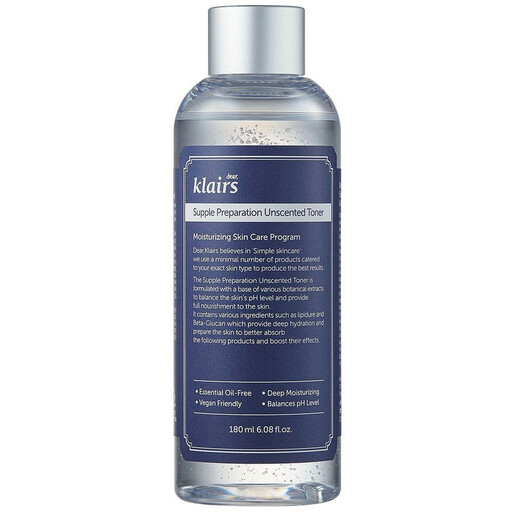
Why this product suits the profile: The fragrance-free, unscented formula is designed for users who want to avoid fragrances and essential oils in their facial skincare.
The term “unscented” is clarified by the indication that the formula contains no essential oils.
Beta-glucan, hyaluronic acid and Centella are included in the stated INCI list; 180 ml is suitable for regular use.
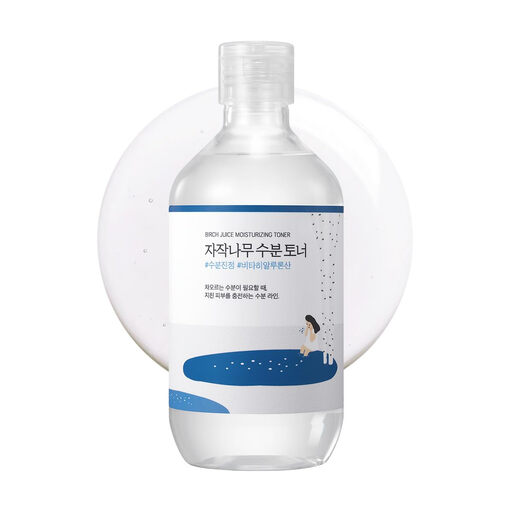
Why this product suits the profile: The 300 ml size and watery texture suit users who like to apply a hydrating toner regularly and generously.
The generous size makes regular use more practical than a small trial format with similar positioning.
Birch water, several forms of hyaluronic acid, panthenol and allantoin according to the stated ingredients list.
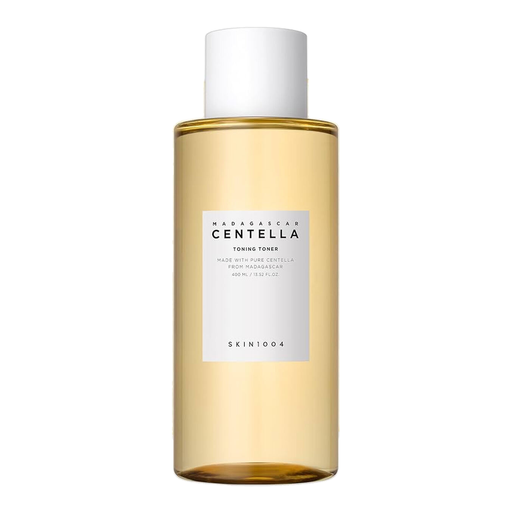
Why this product suits the profile: Users looking for a toner for blemishes with a milder PHA approach get a large format for gradually building up a routine.
The product information specifies PHA and provides usage instructions, including a warning not to continue using the product if irritation occurs.
Centella, gluconolactone and niacinamide according to the stated INCI list; 400 ml allows for economical dosing.
We have put together a complete, regularly updated list of products that fully meet these strict selection criteria and the safety regulations applicable in the EU.
Toner pads such as the Medicube PDRN Pink Collagen Gel Toner Pads should be removed after cleansing using the tweezers provided. According to the product information, a pad can be placed on dry areas for a short time. It should then be disposed of and not put back into the container.
For dry skin, consider formulas containing glycerin, panthenol, beta-glucan or hyaluronic acid. Richer, milky textures such as the Anua Rice 70 Milky Toner Lotion may feel different from a watery toner. Individual tolerance and following up with a moisturiser remain the deciding factors.
The expiry date and the period-after-opening symbol on the packaging are the key references. Keep the toner tightly closed, dry and protected from direct sunlight. If its smell, appearance or feel on the skin changes, stop using the product.
Using several exfoliating products at the same time increases the risk of irritation. Start with just one acid toner, use it infrequently and monitor your skin’s reaction. If persistent redness, burning or a rash occurs, stop using the product and seek dermatological advice if necessary.