
Lieferung heute & morgen

Qualitätsgarantie

Willkommens-Angebote freischalten: KOSTENLOSE Lieferung | Bis zu 80 % RABATT | Kostenlose 30-Tage-JoyPlus-Testphase
App herunterladen
Korean facial toners are often presented as a simple step between cleansing and serum. In practice, though, their formulations vary considerably: a hydrating toner has a different purpose from an AHA-BHA toner or a soothing facial toner containing Centella. If you focus only on eye-catching ingredient names or percentages, it’s easy to buy a product that isn’t right for your skin.
The Joybuy Product Recommendation Officer filters the most important product information and highlights what shoppers in Germany should look out for before choosing a toner.
Claims such as “77% Heartleaf” or “72.6% Propolis” may sound impressive. However, they initially tell you only how much of a particular ingredient a product contains. The full INCI list, texture, suitability for your skin and your specific skin needs are all important too.
A propolis toner may be worth considering for dry skin, but that doesn’t automatically make it suitable for anyone with a known allergy to bee products. If you have sensitive skin, do a patch test on a small area before using it for the first time.
A facial toner may be described as suitable for all skin types, yet feel different on different skin. Dry skin usually benefits from humectants such as glycerin, panthenol or hyaluronic acid. Oily or blemish-prone skin may be better suited to a lightweight texture and, where appropriate, a toner containing salicylic acid.
A milky lotion texture isn’t automatically comedogenic, either. Conversely, an aqueous toner containing acids or fragrance may feel uncomfortable on sensitive skin. You can’t tell how your skin will react from the marketing copy alone.
An AHA BHA toner or a product containing PHA can loosen dead skin cells and help skin look smoother. However, acids can also make your skin more sensitive to UV radiation. It’s therefore important to introduce them gradually and use sun protection during the day.
Using several acid-based products in the same routine increases the risk of tightness, redness or irritation. Avoid exfoliating products if your skin is irritated or damaged.
Start by choosing a toner based on how you want to use it:
Always refer to the INCI list on the packaging, as formulations and product information can change.
AHA ingredients include glycolic acid, while BHA is often represented by salicylic acid or betaine salicylate. AHA works mainly on the skin’s surface, while BHA is often used for oily or blemish-prone skin. This is a general cosmetic description, not a medical claim.
Start with a few uses a week, unless the product instructions say otherwise. Don’t use acid toners alongside several other exfoliating products without monitoring how your skin tolerates them.
Watery toners are usually quick to apply and work well in multiple skincare layers. Essence toners or milky toners feel richer and may be more comfortable on dry skin. Sizes in the range include 50 ml to 250 ml, for example. A small bottle can be useful for checking how well you tolerate a product, while 150 or 250 ml sizes are designed for regular use.
Apply toner after cleansing, using your hands or a cotton pad. Follow with serum, moisturiser and, during the day, sun protection, depending on your routine.
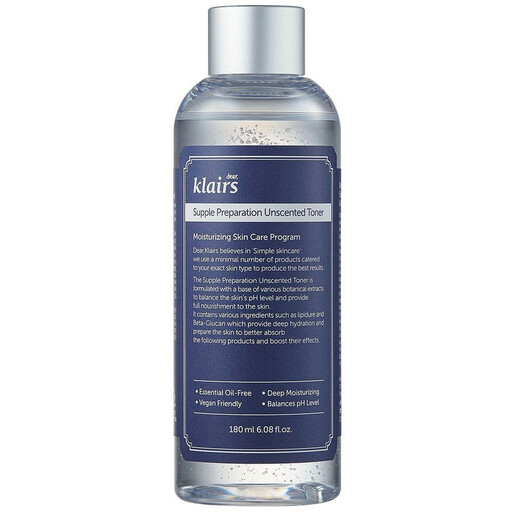
Why it suits this profile: The 180 ml size and fragrance-free formula make this a good choice for beginners looking for a versatile facial toner to use in their daily routine.
The “Unscented” name and the statement that it contains no essential oils can help you avoid unnecessary fragrance when choosing a toner. Even so, check the current INCI list on the packaging.
Contains hyaluronic acid, beta-glucan, glycerin and panthenol. According to the product information, it has a pH of 5 and is intended for dry, oily, combination and sensitive skin.
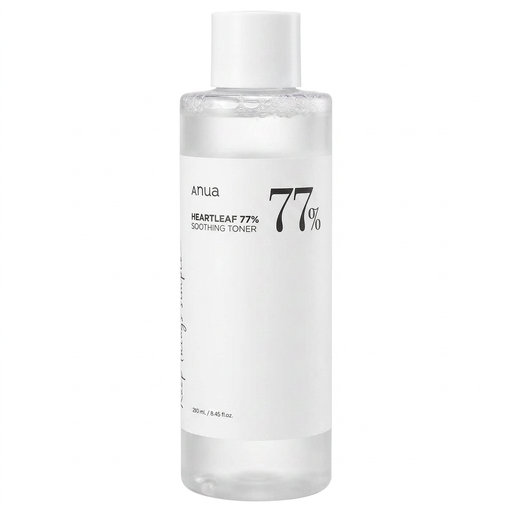
Why it suits this profile: The large 250 ml bottle is ideal for regular users who want to apply a lightweight, soothing toner morning and evening.
The product description states that the formula is fragrance-free and non-comedogenic. A patch test is still a good idea if you have sensitive or blemish-prone skin.
According to the product information, it contains 77% Heartleaf extract, as well as glycerin, panthenol, betaine, Centella and chamomile extract. No added fragrance.
We’ve put together a complete, regularly updated list of products that meet these strict selection criteria and fully comply with the safety regulations in force in the EU.
Store Korean facial toners as directed on the packaging, ideally in a dry place away from direct sunlight. Check the expiry date, batch number and definitive ingredients list on the product itself.
A simple hydrating toner can usually be used morning and evening, as long as your skin tolerates it. Start by using acid-based toners less often. Follow the product instructions and pay attention to how your skin responds.
It depends on the formula. Fragrance-free products without essential oils may make it easier to find a suitable option. Acids, alcohol, fragrances or certain plant extracts can cause unwanted reactions for some people. It’s therefore a good idea to do a patch test before applying a product over a larger area for the first time.
Yes. Products containing AHA or BHA can increase your skin’s sensitivity to light. Using suitable sun protection and limiting time in direct sunlight are therefore important parts of a responsible skincare routine.