
Lieferung heute & morgen

Qualitätsgarantie

Willkommens-Angebote freischalten: KOSTENLOSE Lieferung | Bis zu 80 % RABATT | Kostenlose 30-Tage-JoyPlus-Testphase
App herunterladen
Buying Korean food online can be a journey of discovery, but it can also lead to disappointment. Many products are marketed as "authentic" but fail to deliver the expected flavour experience. This guide will help you cut through the noise and find the right products for your Korean culinary adventures.
A common pitfall is confusing "Korean-style" with genuine Korean products. A snack described as "kimchi-flavoured" often has little in common with the complex, fermented taste of real kimchi. Another issue is unclear or misleading information about spice levels. Anyone trying Buldak Ramen for the first time without being prepared for the heat might be in for an unpleasant surprise. Finally, choosing the wrong base ingredient—like unsuitable rice cakes for Tteokbokki—leads to an unsatisfying cooking result.
To ensure you find authentic, high-quality Korean products online, you should check a few core parameters. These will help you make informed decisions and avoid disappointment.
Korean cuisine is built on a trinity of fermented condiments. Knowing their differences is crucial:
Texture is just as important as flavour in Korean cuisine. The wrong choice can ruin a dish.
Shin Ramyun or Buldak Ramen have a characteristically thick and chewy texture that remains firm to the bite even after cooking. Thinner noodles would quickly become mushy in the robust broth.Tteokbokki, you need cylindrical rice cakes (Garae-tteok). Thin, oval rice cake slices (Tteokguk-tteok) are intended for soups like tteokguk and have a different cooking time and texture.When you buy kimchi, look for the word "fermented." Real kimchi undergoes a fermentation process that gives it its characteristic sour and complex flavour. Products that simply consist of cabbage seasoned with chilli are not an authentic alternative. The main ingredients should be napa cabbage, Korean chilli powder (gochugaru), garlic, ginger, and often fish sauce or a vegan alternative.
Here are some product recommendations tailored to specific needs and use cases.
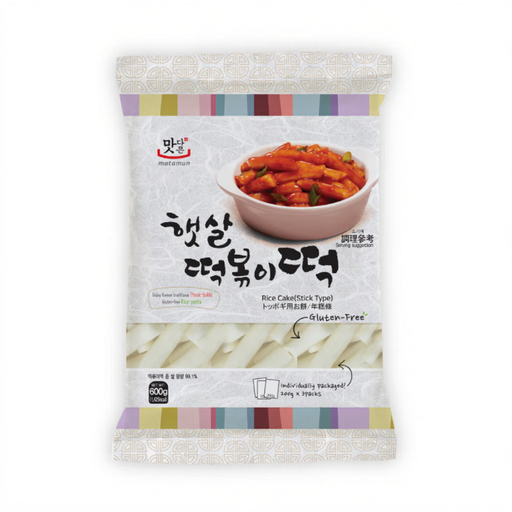
Why This Fits Their Persona: Ideal for anyone who wants to try the popular Korean street food Tteokbokki at home. These rice cakes provide the authentic foundation for a simple yet flavourful dish.
This product avoids the "wrong texture" pitfall. These are the correct, cylindrical rice cakes specifically designed for Tteokbokki, which retain their characteristic chewy consistency.
Made from high-quality rice for an authentic, soft yet chewy texture. The large pack is convenient for preparing multiple meals.

Why This Fits Their Persona: Perfect for busy professionals and young people looking for a quick but exciting meal. This version of the famous `Buldak Ramen` combines intense heat with a creamy carbonara sauce.
This product is transparent about its spice level. The Samyang Buldak brand is known for its intense heat, and the Carbonara version offers a clear, defined flavour that doesn't set false expectations.
A unique combination of fiery heat and creamy cheese sauce. The thick, chewy noodles provide a satisfying mouthfeel.

Why This Fits Their Persona: For fans of Korean culture who want to try `Soju`, the ubiquitous drink seen in K-dramas. The raspberry version is fruity and approachable, ideal for social gatherings or as an accompaniment to `Korean snacks`.
This product delivers the expected soju experience rather than just being a generic, flavoured alcoholic beverage. It is modelled on the Korean original and offers an authentic experience for newcomers.
Ready to drink and best enjoyed ice-cold. The moderate 12% alcohol content and sweet, fruity taste make it a versatile drink for various occasions.
We have compiled a complete, up-to-date list of products that fully meet these strict selection criteria and local regulations.
1. How do I properly store opened Korean pastes like gochujang? Opened pastes like gochujang, doenjang, or ssamjang should always be stored in the refrigerator. To maximise freshness and prevent mould growth, it's advisable to smooth the surface of the paste with a clean spoon and seal the container tightly. This way, they will last for many months.
2. Are all Korean instant noodles extremely spicy? No, there is a wide range of spice levels. While brands like Samyang Buldak are known for their extreme heat, other popular brands like Nongshim offer a variety. The classic Shin Ramyun is pleasantly spicy but manageable for most Western palates. There are also many mild options, such as beef or seafood-flavoured noodle soups.
3. What is the difference between Japanese and Korean soy sauce? Although both are made from fermented soybeans, there are distinct differences. Korean soy sauce (Ganjang) tends to be saltier and less sweet than many Japanese varieties (Shoyu). Furthermore, Korea often distinguishes between Guk-ganjang (soup soy sauce), prized for its salty depth in clear broths, and Jin-ganjang, an all-purpose soy sauce for marinades and stir-fries.