
Lieferung heute & morgen

Qualitätsgarantie

Willkommens-Angebote freischalten: KOSTENLOSE Lieferung | Bis zu 80 % RABATT | Kostenlose 30-Tage-JoyPlus-Testphase
App herunterladen
As a Joybuy Product Recommendation Officer, I help you find the right products for your needs. Today, we're diving into Korean glass noodles, also known as Dangmyeon. The selection can be overwhelming, and small mistakes often lead to a disappointing cooking experience. This guide will show you what to look for to avoid frustration and find the perfect noodles for dishes like Japchae or hot pot.
Many home cooks grab the wrong product because of two common assumptions. These often prevent a dish from achieving its desired authentic texture.
To ensure you buy the right Japchae noodles, you should check two core parameters. These determine the texture, cooking properties, and suitability for your intended dish.
The most important characteristic that defines Korean glass noodles is their base ingredient.
Therefore, always check the ingredients list. For an authentic result, products made from 100% sweet potato starch are a safe bet.
The shape of the noodle is not just an aesthetic feature; it's functional.
The correct Dangmyeon preparation also depends on the thickness. Wider noodles often require a slightly longer cooking or soaking time.
Here are some recommendations tailored to specific user profiles.
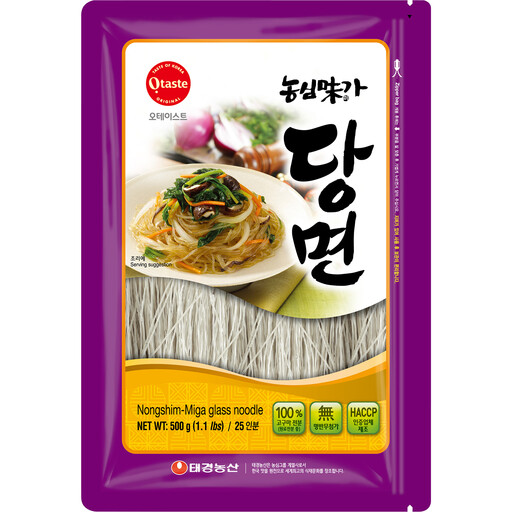
Why This Fits Their Persona: Ideal for cooks who want to prepare authentic Japchae with the classic, chewy texture. These noodles provide the traditional foundation for the popular Korean dish.
Made from 100% sweet potato starch, according to the manufacturer. This prevents confusion with less firm glass noodles made from mung bean or mixed starches.
Excellent chewy texture that holds up even when stir-fried. Naturally gluten-free and fat-free.
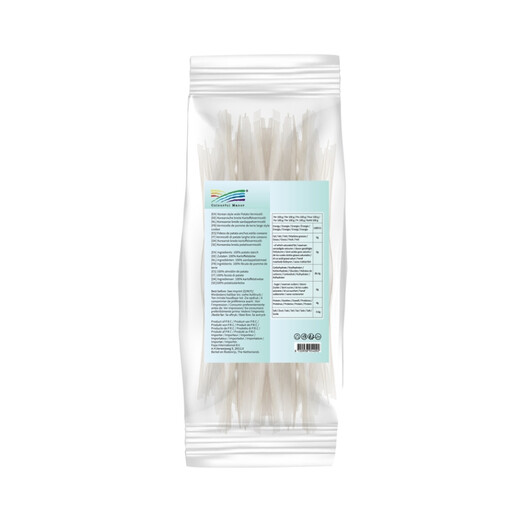
Why This Fits Their Persona: Perfect for anyone looking for noodles for soups, hot pots, or braised dishes like Jjimdak. The broad shape is specifically designed to soak up rich broths and sauces.
The clear "Broad" label prevents the accidental purchase of thin noodles that would be unsuitable for stews. The potato starch base ensures a robust texture.
Extra-wide shape for maximum sauce absorption. Maintains a pleasant chewy consistency even with longer cooking times in liquid.
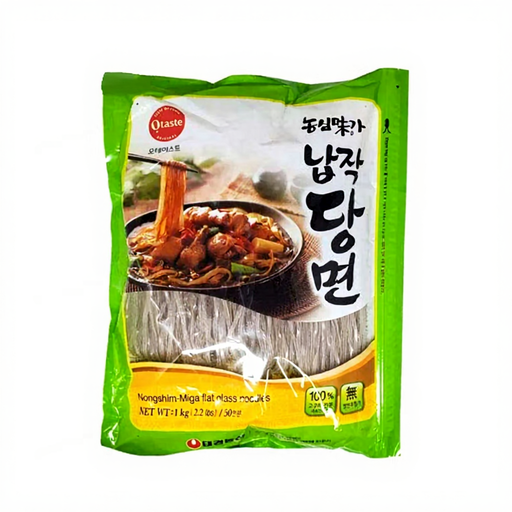
Why This Fits Their Persona: An excellent choice for those who regularly use a gluten-free noodle alternative. The bulk pack is economical, and the pure ingredients fit a health-conscious lifestyle.
The ingredient list is maximally transparent with "100% Sweet Potato Starch." There are no hidden additives, which ensures its suitability for a gluten-free diet.
Economical 1kg value pack. Free of fat, sugar, and salt, according to the manufacturer's nutritional information.
We've compiled a complete, up-to-date list of products that meet these strict selection criteria.
Not necessarily. Authentic Dangmyeon made from 100% sweet potato or potato starch are naturally gluten-free. However, some products on the market may contain starch blends or other additives. Individuals with celiac disease or gluten sensitivity should therefore always check the ingredients list on the packaging carefully to be sure.
A proven tip for Dangmyeon preparation is to rinse them after cooking. After boiling for the time indicated on the package, transfer the noodles to a colander and rinse them thoroughly under cold water. This stops the cooking process and removes excess starch that causes sticking. Tossing them with a little sesame oil afterwards also helps to keep the noodles supple.
The main difference lies in the raw material. Korean glass noodles (Dangmyeon) are traditionally made from sweet potato starch, which gives them a greyish colour when dry and a uniquely chewy, elastic, and slightly sweet quality after cooking. Other Asian glass noodles, such as those used in Chinese or Vietnamese cuisine, are often based on mung bean starch. These are typically whiter, thinner, and have a softer, less firm texture.