
Lieferung heute & morgen

Qualitätsgarantie

Willkommens-Angebote freischalten: KOSTENLOSE Lieferung | Bis zu 80 % RABATT | Kostenlose 30-Tage-JoyPlus-Testphase
App herunterladen
By the Joybuy Product Recommendation Officer, August 28, 2026
Anyone who wants to prepare authentic Korean dishes will quickly encounter a key ingredient: Korean glass noodles, also known as Dangmyeon. However, the search for the right noodles can be unexpectedly complicated. The packaging often looks similar, and the descriptions aren't always self-explanatory. This frequently results in purchase mistakes that lead to a disappointing cooking experience—the noodles turn out mushy, lack the desired chewy texture, or simply don't suit the intended dish.
This guide will help you navigate the common pitfalls. We'll show you the crucial features to look for so you can confidently find the right noodles for your culinary project, whether it's a classic Japchae, a spicy hot pot, or a gluten-free alternative in your kitchen.
Before you buy Dangmyeon, you should be aware of two widespread misconceptions that often lead to an unsatisfying result.
To ensure you choose the right noodles for your cooking project, you should check two core parameters.
The most important factor for authentic Dangmyeon is the starch. Look explicitly for the term sweet potato starch ("Goguma Jeonbun") on the ingredient list.
The shape of the noodle should be tailored to the dish.
Here are some product recommendations tailored to different needs and cooking styles.
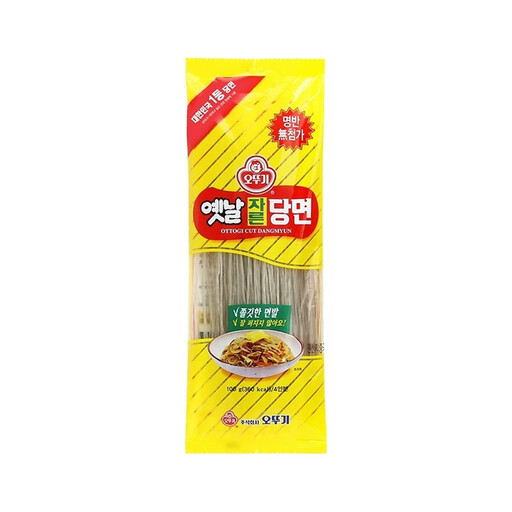
Why This Fits Their Persona: Ideal for anyone making Japchae for the first time. The noodles are already cut to a practical length, which significantly simplifies preparation and eliminates the need to handle scissors. The 300g pack is a great size for trying it out.
The product is made from sweet potato starch, delivering the authentic, chewy texture. The "Cut" designation makes it clear that this is a user-friendly version that simplifies the entry into cooking with them.
Conveniently pre-cut: No need to cut the noodles after cooking. Authentic texture: Made from sweet potato starch for the classic Japchae experience.
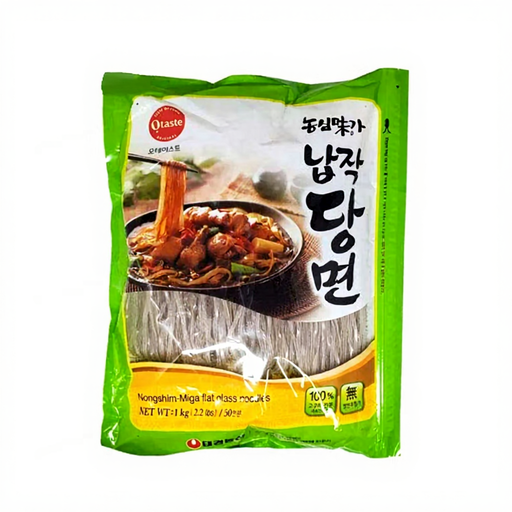
Why This Fits Their Persona: For those who cook Korean food regularly or need a larger quantity for a hot pot with friends. The 1kg value pack is economical, and the flat noodle shape is perfect for soaking up the flavourful broth of a hot pot.
The product name is unambiguous: "Sweet Potato" and "Flat." This eliminates the two most common purchase mistakes—wrong starch and wrong shape—from the outset.
100% Sweet Potato Starch: Guarantees authentic texture and is gluten-free. Bulk Pack: Excellent value for money for frequent cooks.
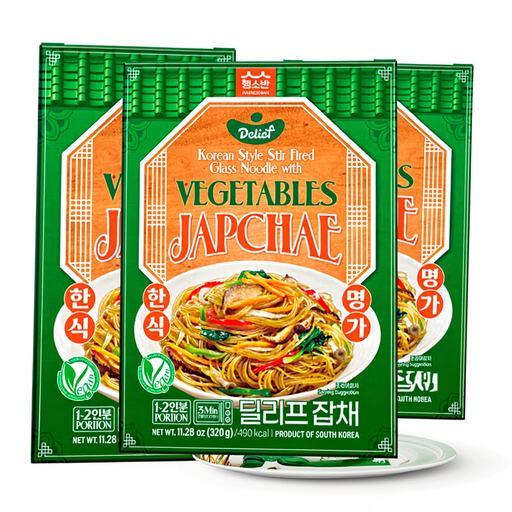
Why This Fits Their Persona: Perfect for anyone who loves the taste of Japchae but doesn't have the time or inclination to cook from scratch. This ready-to-eat meal just needs to be heated briefly and provides a complete, authentically seasoned meal for a quick lunch break or an easy dinner.
This product completely bypasses the need to select noodles. It delivers the finished dish with the correct type of noodle and seasoning, so there's no risk of a bad purchase or incorrect preparation.
Maximum convenience: Ready to serve in minutes. Authentic flavour: Contains classic Japchae ingredients like sweet potato noodles, vegetables, and a soy sauce-sesame oil seasoning.
We've compiled a complete, up-to-date list of products that fully meet these strict selection criteria and current regulations.
Authentic Dangmyeon made from 100% sweet potato starch are naturally gluten-free. However, it's always wise to check the ingredient list and any allergen warnings on the packaging. Some products may be processed in facilities that also handle gluten-containing products, or they may contain added starches. Brands like Nongshim glass noodles often explicitly declare their pure sweet potato products as gluten-free.
The cooking time can vary depending on the thickness of the noodles but is typically between 6 and 10 minutes in boiling water. A useful tip is to soak the dry noodles in cold or lukewarm water for about 30 minutes before cooking. This shortens the cooking time and ensures a more even texture. The noodles are done when they are translucent and pleasantly chewy. After cooking, rinse them briefly with cold water to stop the cooking process and prevent them from sticking together.
Although both are popular noodles in Asian cuisine, they are fundamentally different. Dangmyeon are thicker, translucent, and chewy, made from sweet potato starch. Somen noodles, on the other hand, are very thin, white noodles made from wheat flour. They have a soft, delicate texture and are often served in cold noodle salads or light broths, especially in Japanese cuisine. Somen noodles are unsuitable for Korean dishes like Japchae.