
Lieferung heute & morgen

Qualitätsgarantie

Willkommens-Angebote freischalten: KOSTENLOSE Lieferung | Bis zu 80 % RABATT | Kostenlose 30-Tage-JoyPlus-Testphase
App herunterladen
Korean gochujang chilli paste is one of the essential ingredients in Korean cuisine. Depending on the recipe, this fermented chilli paste combines heat, sweetness, saltiness and a savoury umami note. It is used for bibimbap, tteokbokki, stews, marinades and dipping sauces.
It is worth taking a close look at the product details before buying. A striking red colour or the word “authentic” alone reveals little about the ingredients, allergens, heat level or practical uses. Our selection is therefore based on clear criteria such as contents, pack size, country-of-origin information, storage and declared composition.
A small 170-g or 200-g tub is often sufficient for occasional cooking. However, anyone who regularly prepares Korean dishes or supplies a catering business will need a larger pack. A 1-kg or 14-kg container can reduce the price per gram, but after opening it only makes sense if the paste will be used promptly and refrigerated correctly.
Gochujang is not simply a hot Korean sauce. Depending on the formulation, it may contain corn syrup, rice paste, garlic, soya beans, grains or alcohol. Its flavour therefore does not depend solely on the chilli content. If you are looking for a more intensely flavoured Korean marinade or a mild base for dipping sauces, compare the ingredients list and nutritional information.
Many recipes contain soya beans. Depending on the product, wheat, barley, gluten, mustard or sesame may also be included. These details must be checked before buying. Storage requirements also vary: several products can be kept in a cool, dry place while unopened, but need to be refrigerated after opening. The information on the packaging delivered always takes precedence.
Traditional gochujang recipes are often based on chilli, rice or glutinous rice, soya beans and salt. Fermented soya bean or rice components contribute to the paste’s distinctive savoury flavour. A high proportion of rice paste may indicate a thicker, slightly sweet consistency; the declared chilli content provides an additional indication of the heat level.
The terms Korean seasoning paste, fermented chilli paste and Korean red chilli paste are sometimes used differently by retailers. So do not compare only the product name; check the specific ingredients list as well.
Before buying, check the following:
For example, Bibigo Gochujang 500 g indicates the presence of wheat, barley and soya beans. The 500-g Sempio product lists soya and wheat as allergens. O’Food’s 1-kg product information lists soya.
For gochujang for bibimbap, a smaller pack is often enough if the paste is used in portions as a seasoning. For gochujang for tteokbokki, soups, bulgogi marinades or regular wok dishes, a 500-g or 1-kg container may be more practical.
Also consider the available space in your fridge. Before buying a large container such as the 14-kg CHUNG JUNG ONE Gochujang Hot Red Pepper Paste, check whether the consumption rate, storage space and hygienic dispensing are realistic for your business.
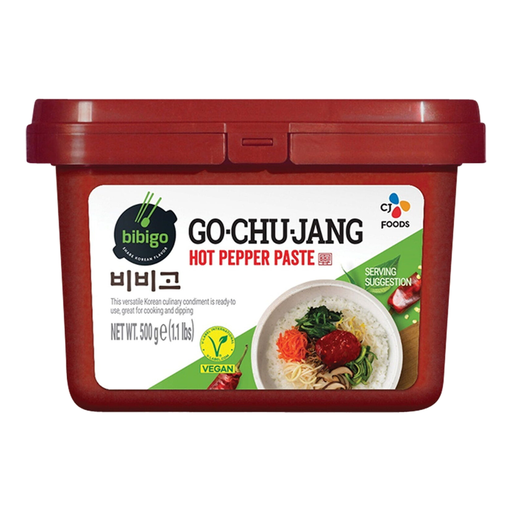
Why this product suits this profile: The 500-g pack provides a medium quantity for households wanting to try bibimbap, tteokbokki and marinades.
The ingredients and allergen information clearly states that wheat, barley and soya beans are included. This makes it easier to assess whether the product is suitable before buying.
Ready-to-use paste with stated uses as a marinade and dipping sauce; refrigerate after opening.
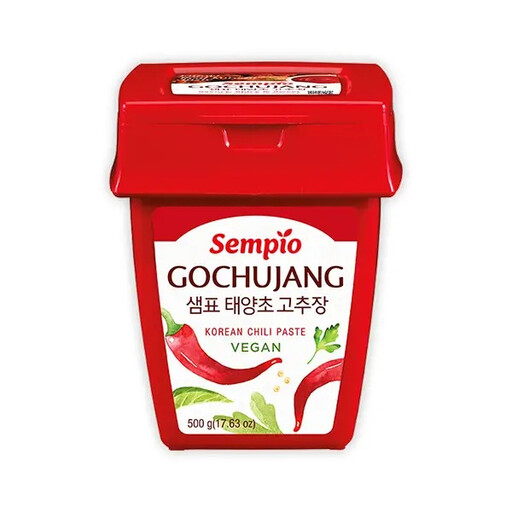
Why this product suits this profile: The declared recipe specifies 46.7% fermented and matured rice paste and 11.3% chilli powder, making it suitable for shoppers interested in a more detailed composition.
The quantitative ingredient information enables a specific comparison rather than relying on general marketing claims. Soya and wheat are listed as allergens.
500-g container, made in South Korea; according to the product information, it can be stored unopened at room temperature in a dry place protected from light.
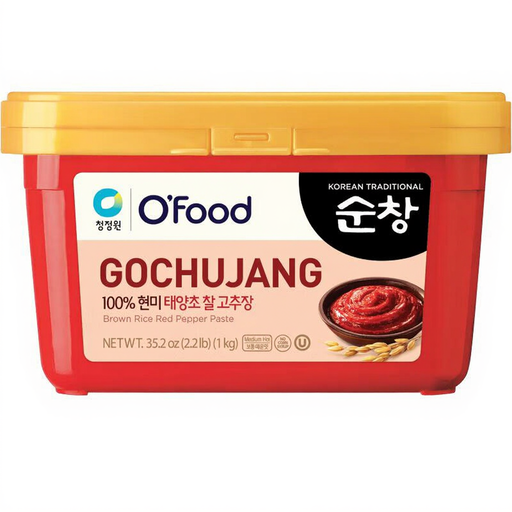
Why this product suits this profile: The 1-kg format is designed for frequent use at home, in a prep kitchen or in catering.
The larger quantity avoids the need for multiple small tubs when used regularly. Refrigeration is recommended after opening.
1 kg net quantity, made in South Korea; according to the product information, suitable for bibimbap, tteokbokki, marinades and spicy stews.
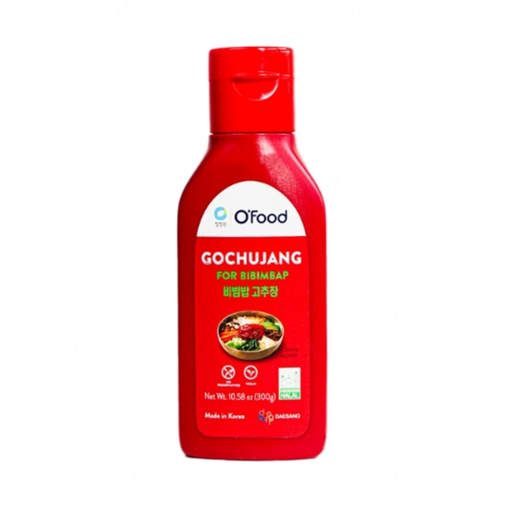
Why this product suits this profile: The 300-g pack is designed for portioned use and carries a halal certification as well as listing several declared allergens.
The information lists gluten from wheat, soya, mustard and sesame. This makes it easier to narrow down your options, but does not replace checking the current label.
300-g format, certified as a halal product; can be stored unopened in a cool, dry place; after opening, store at 2–8 °C.
We have put together a complete, regularly updated list of products that fully meet these strict selection criteria and the safety regulations applicable in the EU.
Gochujang can be used straight from the tub or diluted with other ingredients. For a dipping sauce, sesame oil, rice vinegar or a little water are suitable additions. As a Korean marinade, the paste is often combined with soya sauce, garlic and sesame oil. For tteokbokki, it is stirred into liquid, while for bibimbap it can be added in portions over rice, vegetables and other ingredients.
Always use clean utensils when taking out the paste and seal the container afterwards. Once opened, the paste should be refrigerated according to the label. The best-before date and the current information on the packaging are decisive for the specific batch.
The perceived heat depends on the recipe, chilli content and quantity used. Gochujang often also contains rice or corn syrup, so it does not taste purely hot. Start with a small amount and increase it to taste.
There is no single shelf life that applies to every product. The manufacturer’s instructions, best-before date, refrigeration temperature and hygienic handling are all important. Opened packs should generally be refrigerated and should not be used if there are noticeable changes in smell, colour or consistency.
Gochujang is available in a range of pack sizes and recipes. When shopping online, you can compare the ingredients, allergens, country of origin, net quantity and storage conditions directly. For occasional use, 170 g to 300 g is practical; 500 g to 1 kg is more suitable for regular cooks and frequent users.