
Lieferung heute & morgen

Qualitätsgarantie

Willkommens-Angebote freischalten: KOSTENLOSE Lieferung | Bis zu 80 % RABATT | Kostenlose 30-Tage-JoyPlus-Testphase
App herunterladen
Korean cuisine is surging in popularity across the globe. Dishes like Bulgogi, Bibimbap, and Tteokbokki are winning over more and more fans. But for those who want to prepare authentic Korean dishes at home, one challenge often stands out: choosing the right Korean cooking ingredients. The market can be overwhelming, and not every product delivers on its promise. As your Joybuy Product Recommendation Officer, I'm here to help you navigate common purchasing pitfalls and find the perfect seasonings for your culinary adventures.
Before you start buying Korean sauces, you should be aware of two common problems that often lead to disappointing cooking results:
To ensure you get authentic Korean seasonings that suit your cooking style, you should check three key parameters.
The heart of many Korean dishes are the three "Jang" (?), traditionally fermented pastes and sauces.
Pay attention to whether you are buying one of these base pastes or a pre-processed, ready-made sauce like a Bulgogi marinade. Both have their place, but for different purposes.
A quick look at the label reveals a lot about the quality. For traditional pastes, ingredients like rice, soybeans, or chili powder should be high on the list. If sugar or corn syrup is the first or second ingredient, it's likely a heavily sweetened product. This is especially relevant for ready-made marinades like Korean BBQ sauce, where some sweetness is desired but should not be overpowering.
Are you looking for ingredients for a specific dish? Then opt for specialized products. For the popular black bean noodle dish, you'll need a special Jjajangmyeon paste (Chunjang). For spicy rice cakes, a Tteokbokki sauce is ideal.
For consumers who adhere to specific dietary rules, looking for the right labels is crucial. More and more manufacturers like Sempio or O'Food are offering Halal-certified versions of their products, which significantly simplifies the choice for Muslims.
Here are some product recommendations tailored to different needs and experience levels.
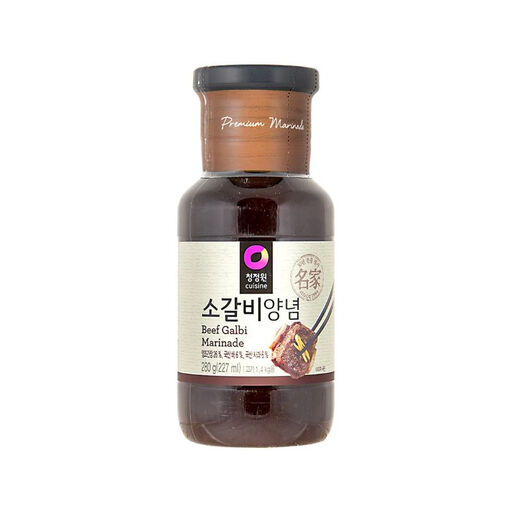
Why This Fits Their Persona: This ready-to-use marinade is ideal for anyone wanting to achieve the classic sweet-and-savory flavor of Galbi (grilled beef ribs) with no prior experience. It takes the guesswork out of preparation.
It delivers an authentic flavor profile for a specific dish, thus bypassing the trap of using an unsuitable or overly generic sauce.
Time-saving and a balanced recipe based on soy sauce, sugar, and apple puree that ensures a reliable result.

Why This Fits Their Persona: This is a fundamental building block for countless dishes. Anyone who wants full control over the flavor and enjoys cooking creatively needs a high-quality Gochujang base paste.
This is an authentic, fermented paste, not a simplified "Asian sauce." The ingredient list, with 46.7% fermented rice paste, confirms its traditional production method.
Maximum versatility for stews, marinades, and dips. The 500g package offers great value for money for regular use.
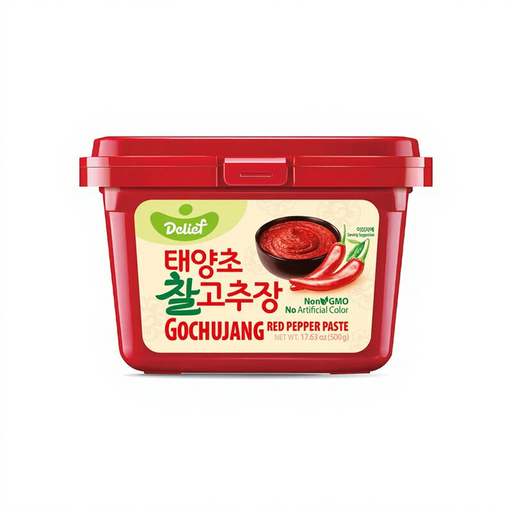
Why This Fits Their Persona: This product is specifically aimed at consumers who want to enjoy Korean dishes while adhering to Halal dietary laws. It offers the authentic Gochujang flavor without compromise.
It solves the problem of uncertain ingredients for Muslims by providing a clear and reliable Halal certification—information often missing from standard products.
An officially certified product that allows for the preparation of authentic dishes like Bibimbap or Tteokbokki in accordance with Islamic dietary laws.
We've compiled a complete, up-to-date list of products that fully meet these strict selection criteria and local regulations.
In short: Gochujang is a spicy chili paste and the base for many zesty dishes. Doenjang is a salty soybean paste for soups and stews with a deep umami flavor. Ssamjang is a mix of both and is used as a dip for grilled foods.
Before opening, most pastes can be stored in a cool, dry place at room temperature. After opening, they should be tightly sealed and kept in the refrigerator to preserve their freshness and flavor. The color may darken over time, which is a normal part of the fermentation process.
Yes, absolutely. A Bulgogi marinade or Galbi sauce is excellent for marinating tofu, mushrooms (especially Portobello), or firm vegetables like zucchini and eggplant before grilling or pan-frying. They add a delicious sweet-and-savory note to vegetarian dishes as well.