
Lieferung heute & morgen

Qualitätsgarantie

Willkommens-Angebote freischalten: KOSTENLOSE Lieferung | Bis zu 80 % RABATT | Kostenlose 30-Tage-JoyPlus-Testphase
App herunterladen
Korean lemonades, often called "Ade," are becoming an increasingly common sight in the UK—not just in Asian supermarkets, but all over social media. Their vibrant colours and exotic flavours, like watermelon or grape, pique curiosity. However, to avoid disappointment from overhyped marketing or impractical features, there are a few things to consider when making a choice. Many buyers are drawn to a product that is visually appealing, only to be disappointed by its taste or quality.
This guide highlights the most common pitfalls and explains which objective criteria you should focus on to find the perfect Korean lemonade for your palate.
Before you decide on a product, you should be aware of three common misconceptions that often lead to a purchase you'll regret.
To make an informed decision, focus on three verifiable characteristics. These will help you objectively assess the quality and suitability of a drink.
The foundation of the taste can be deciphered from the ingredients list. Pay attention to the order and the exact naming of the components.
A quick look at the nutrition facts panel per 100 ml reveals the nature of the drink.
The packaging should match your consumption habits.
Here are a few recommendations tailored to different profiles and preferences.
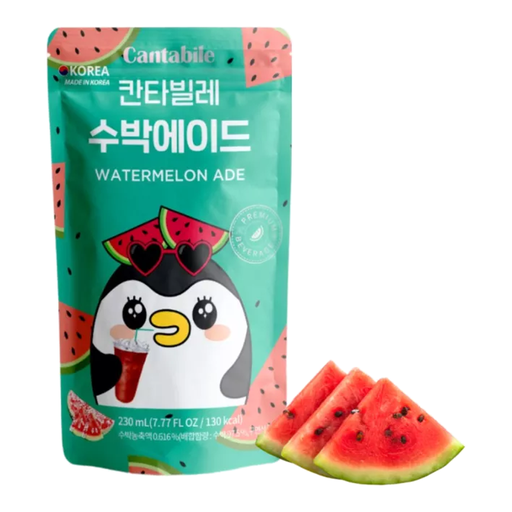
Why This Fits Their Persona: Perfect for anyone wanting to try the Watermelon Ade flavour that's popular on social media. Its vibrant colour and convenient pouch make it a photogenic companion for the summer.
This drink sidesteps the 'sugar trap': At less than 4 kcal per 100 ml, it's an extremely low-calorie option that gets its flavour from watermelon concentrate and sweeteners.
Based on real watermelon concentrate for an authentic taste. The pouch packaging is lightweight and perfect for on-the-go enjoyment.
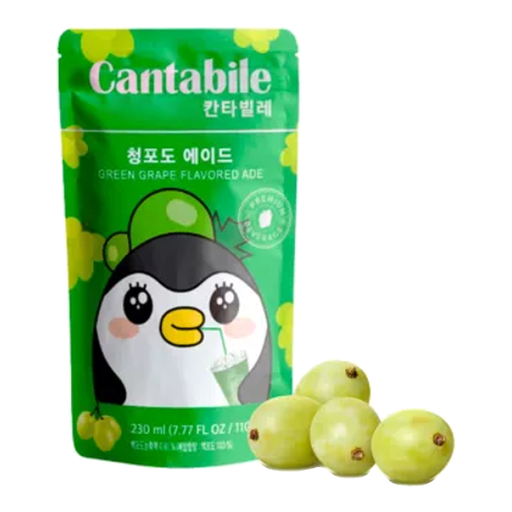
Why This Fits Their Persona: Ideal for those who want to try one of Korea's most popular flavours: green grape. The 10-pack is convenient for stocking up or sharing with friends.
It avoids the 'fruit trap' by using real grape concentrate. This results in a clearly defined taste, not just a vague, artificial flavour.
A classic and highly popular Grape Ade flavour. The bulk pack offers great value for money for regular enjoyment.
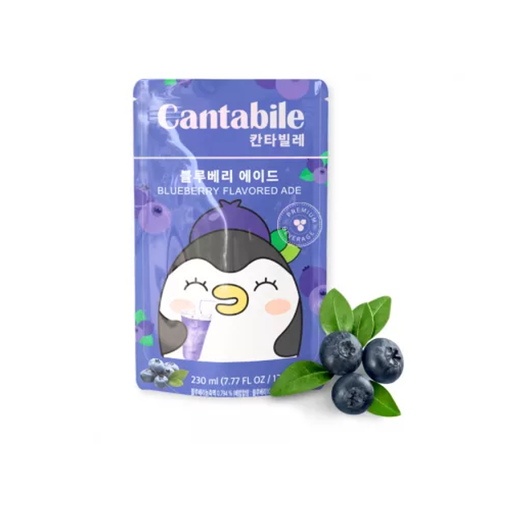
Why This Fits Their Persona: An excellent choice for anyone seeking a refreshing drink with full flavour but minimal calories and sugar. The blueberry taste is intense without being heavy.
Directly addresses the concern of hidden sugar. With only 5.5 kcal and less than 1g of sugar per 100 ml, it's one of the lightest options on the market.
Uses a modern blend of sweeteners (including Stevia) for a clean taste. The combination of blueberry and grape concentrates creates a well-rounded berry flavour.
We've curated a complete, up-to-date list of products that fully meet these strict selection criteria and quality standards.
In Korea, an "Ade" is traditionally a cold, non-carbonated drink made from fruit syrup, purée, or concentrate mixed with water and ice. The commercially available Korean lemonades are ready-to-drink versions of this concept. They often differ from typical Western lemonade by being non-carbonated and having a more intense, concentrated fruit flavour.
Since the pouch lemonade is not resealable, it is designed for immediate consumption. If you need to store leftovers, it's best to pour the contents into a clean, sealable container like a glass bottle or carafe and store it in the refrigerator. The drink should be consumed within one to two days to maintain its freshness.
No, that's a common misconception. While there are many traditionally sweetened varieties, the trend towards health-conscious eating has also led to a growing selection of low-calorie and low-sugar Asian soft drinks in Korea. Products like the CTB Watermelon or Blueberry Ade are examples of drinks that achieve a full flavour with a very low calorie count by using sweeteners. A look at the nutrition facts panel always provides the most reliable information.