
Lieferung heute & morgen

Qualitätsgarantie

Willkommens-Angebote freischalten: KOSTENLOSE Lieferung | Bis zu 80 % RABATT | Kostenlose 30-Tage-JoyPlus-Testphase
App herunterladen
Korean mandu, the delicious filled dumplings, are an excellent choice for a quick and flavorful meal. However, when buying frozen varieties, many people run into problems: the packaging overpromises and under-delivers, the taste is disappointing, or the preparation goes wrong. As your Joybuy Product Recommendation Officer, I'll help you identify the common pitfalls and find products that offer authentic enjoyment without compromise.
Before you buy dumplings next time, you should be aware of these common issues to avoid disappointment.
To ensure you get high-quality Korean dumplings, check the following three features before you buy.
A hallmark of good mandu is a thin yet sturdy wrapper that encloses a generous filling. The focus should be on the taste of the filling, not the dough.
The ingredient list is the most objective indicator of quality. Look for clear and specific details instead of generic terms.
Good frozen mandu should offer clear instructions for various cooking methods, as the preparation significantly impacts the final result.
Knowing how you want to prepare mandu allows you to choose a product optimized for that method.
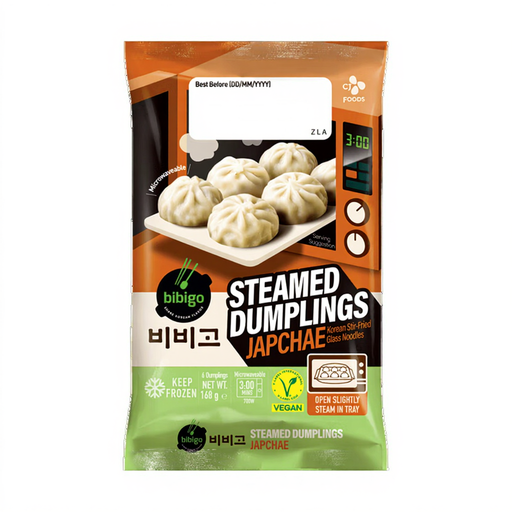
Why This Fits Their Persona: Ideal for professionals or students looking for an authentic yet extremely fast meal. The glass noodle (Japchae) filling offers a welcome change from standard fillings and is ready to serve in minutes.
The special packaging is designed for the microwave, ensuring perfectly steamed, juicy mandu without becoming soggy. The clear preparation instructions (3 minutes) prevent user error.
Extremely fast preparation directly in the package; authentic, vegan Japchae filling with glass noodles and vegetables.
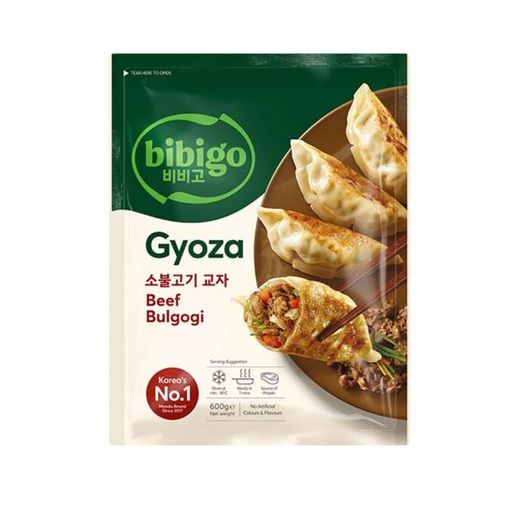
Why This Fits Their Persona: Perfect for anyone who loves the iconic, sweet-and-savory taste of Korean bulgogi. These gyoza are excellent for pan-frying to achieve a crispy texture that complements the rich beef flavor.
Instead of an undefined meat paste, this product uses a filling with 19% beef and a distinct bulgogi seasoning. This bypasses the trap of "empty authenticity promises."
Bold and authentic bulgogi flavor; ideal for pan-frying for a crispy bottom; generous 600g package.
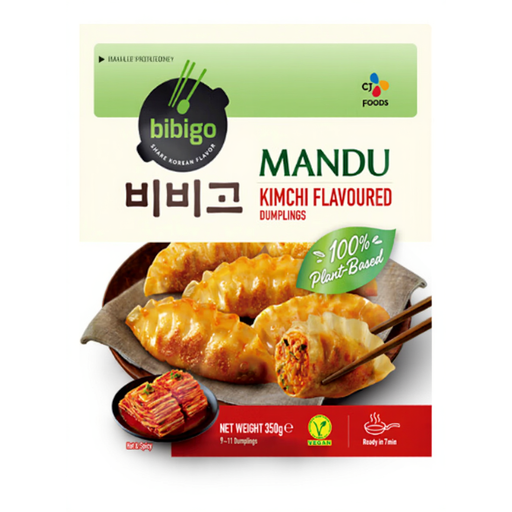
Why This Fits Their Persona: These vegan mandu are the right choice for anyone who prefers a plant-based diet but doesn't want to miss out on the bold, spicy flavor of traditional kimchi. They prove that vegan options don't have to be boring.
Instead of a bland vegetable mix, this product features a filling with 38% vegetables, including spicy kimchi. The clear "Plant-Style" labeling and detailed ingredient list build trust.
Purely plant-based recipe; bold, authentic flavor from real kimchi; versatile for steaming or frying.
We've compiled a complete, up-to-date list of products that fully meet these strict selection criteria.
Although both terms are often used interchangeably, there are subtle differences. Mandu is the Korean umbrella term for dumplings, which can be steamed, boiled, pan-fried, or deep-fried and often have a rounder shape. Gyoza is the Japanese version, which is typically crescent-shaped, has a thinner wrapper, and is usually pan-fried to achieve a crispy bottom.
The key is to use the dumplings straight from the freezer and not to thaw them beforehand. For crispy results (pan-frying): Heat a little oil in a pan, add the frozen mandu, and briefly fry them. Then add a little water (about 1/3 of the height of the mandu), cover the pan with a lid, and steam over medium heat until the water has evaporated. Finally, remove the lid and fry the bottom until crispy.
Yes, the range of high-quality vegan mandu is constantly growing. Look for products with fillings based on flavorful ingredients like kimchi, mushrooms, tofu, or japchae (glass noodles). Brands like Bibigo or Rengi offer explicitly labeled vegan options that are delicious and have a clear ingredient list.