
Lieferung heute & morgen

Qualitätsgarantie

Willkommens-Angebote freischalten: KOSTENLOSE Lieferung | Bis zu 80 % RABATT | Kostenlose 30-Tage-JoyPlus-Testphase
App herunterladen
Korean cuisine is becoming increasingly popular. Whether you've visited a Korean restaurant or been inspired by dishes from K-dramas, many home cooks are eager to bring authentic flavours into their own kitchens. A key building block for this is Korean paste. However, the variety of products like Doenjang, Ssamjang, and Chunjang can be confusing at first.
This article serves as a practical guide. As your Joybuy Product Recommendation Officer, I will introduce you to the fundamental pastes, explain their differences, and show you what to look for when buying. The goal is to provide you with an informed basis for your decision, helping you find the right Korean seasoning paste for your next culinary project.
Choosing the right paste largely depends on the dish you plan to make. Here are some objective criteria to help you decide.
The most important factor is the dish you want to prepare. The three basic pastes have very different flavour profiles and uses:
A look at the ingredients list reveals the quality. Traditional pastes are based on a few main ingredients like soybeans, wheat flour, and salt. The complex flavour comes from a meticulous fermentation process. Products from South Korea often follow traditional recipes, which is an important criterion for authenticity for many who want to cook Korean food.
Korean pastes are available in various sizes. If you are buying Korean ingredients for the first time, a smaller package is recommended to try out the paste. For regular use, larger containers are often more cost-effective. Once opened, the pastes should always be stored in the refrigerator to preserve their freshness and aroma.
Based on the criteria mentioned, we have compiled a selection of pastes suitable for various applications.
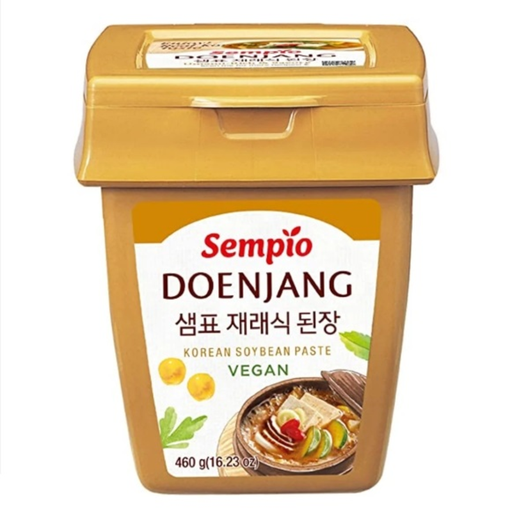
Why it stands out: This Korean soybean paste from Sempio is made using a traditional fermentation recipe, giving it a deep and robust umami profile. Its consistency and flavour are designed to create an authentic base for classic Korean dishes.
Pros:
Who is it for? For anyone who wants to replicate the authentic taste of traditional Korean stews and soups at home. It is a fundamental ingredient for anyone serious about Korean cooking.
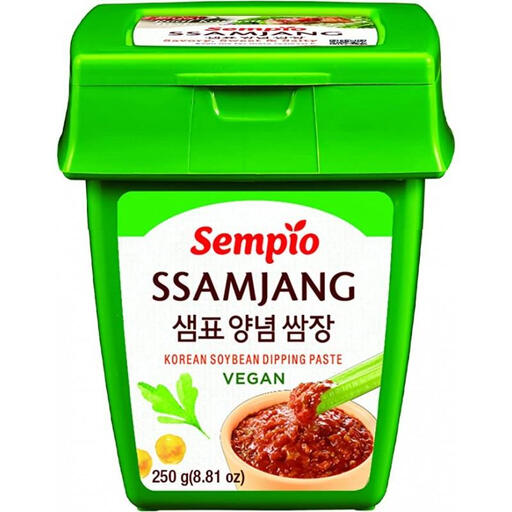
Why it stands out: Sempio Ssamjang is a pre-seasoned paste that combines the complex flavours of fermented soybeans, chilli paste, and other seasoning ingredients like garlic and roasted sesame. Its balanced recipe makes it ready to use right out of the jar.
Pros:
Who is it for? Ideal for fans of Korean BBQ (e.g., with Samgyeopsal) and anyone looking for a versatile and flavourful dipping sauce for meat, vegetables, or wraps. Perfect for social gatherings and quick, flavour-packed meals.
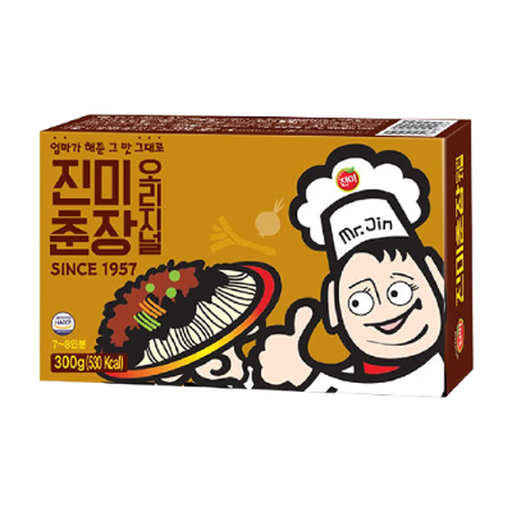
Why it stands out: This black bean paste (Chunjang) from Jinmi is the specific ingredient needed to prepare the iconic sauce for Jajangmyeon. Its thick consistency and deep, savoury flavour are unmistakable.
Pros:
Who is it for? A must-have for anyone who wants to authentically prepare the popular noodle dish Jajangmyeon at home. It is aimed at cooks who want to master a specific, iconic dish of Korean cuisine.
This selection covers the basic pastes for getting started with Korean cuisine. However, the world of seasoning pastes is much larger and includes many other specialities and brands.
If you are looking for other varieties or more Asian seasonings, you can find a wider selection in our category.
? Discover our full range of pasta sauces
1. What is the difference between Doenjang and Japanese Miso? Both are fermented soybean pastes and essential base ingredients in their respective cuisines. However, Doenjang is typically unpasteurised, has a coarser texture, and a stronger, saltier, and earthier flavour than most types of miso. Miso is often milder and smoother in consistency.
2. Can you eat Chunjang (black bean paste) raw? It is not recommended. Raw Chunjang has a slightly bitter and very intense flavour. To develop its characteristic deep, savoury-sweet aroma, the paste must be fried in plenty of oil before further use. This step is crucial for a successful Jajangmyeon sauce.
3. How long does Ssamjang last after opening? Opened Ssamjang should be stored in the refrigerator. When stored correctly and with the use of clean utensils, it can last for several months. Always check the best-before date on the packaging and inspect the paste for any changes in smell, colour, or consistency before use.