
Lieferung heute & morgen

Qualitätsgarantie

Willkommens-Angebote freischalten: KOSTENLOSE Lieferung | Bis zu 80 % RABATT | Kostenlose 30-Tage-JoyPlus-Testphase
App herunterladen
Korean cuisine is rapidly gaining popularity. For anyone looking to prepare authentic dishes like bibimbap, tteokbokki, or a Korean BBQ, one question often arises: which of the many Korean pastes is the right one? The differences between gochujang, doenjang, and ssamjang are crucial for achieving the perfect flavour. This guide provides a clear overview of the fundamental seasoning pastes in Korean cooking and helps you find the ideal ingredient for your next culinary project.
Selecting the right paste largely depends on your intended dish and desired flavour profile. Here are some objective criteria to help you make your decision.
Each Korean paste has a distinctive flavour profile and traditional use:
The authenticity and depth of flavour of a paste can often be determined by its ingredients. Products from established brands like Sempio follow traditional recipes. A high proportion of fermented components, such as fermented rice paste or soybeans, indicates a complex and deep flavour. The order of the ingredients reveals their relative quantities.
Korean pastes are available in various sizes, from small 250g tubs to 1kg containers. For occasional use or for trying them out, a smaller package is a good choice. Those who cook Korean food regularly will benefit from larger units. Unopened, the pastes have a very long shelf life at room temperature. After opening, they should be stored in the refrigerator to preserve their freshness and aroma.
Here is a selection of essential pastes that are must-have Korean cooking ingredients for any kitchen.

Why it stands out: This gochujang from Sempio is distinguished by its authentic recipe. According to the manufacturer, it contains 46.7% fermented rice paste and 11.3% chilli powder. This composition ensures a balanced blend of spicy heat and a subtle sweetness from fermentation, which is characteristic of traditional Korean dishes.
Pros:
Who is it for? This product is ideal for home cooks who appreciate the authentic, spicy flavour of Korean cuisine and want to prepare dishes like bibimbap, spicy chicken marinades, or flavourful stews.
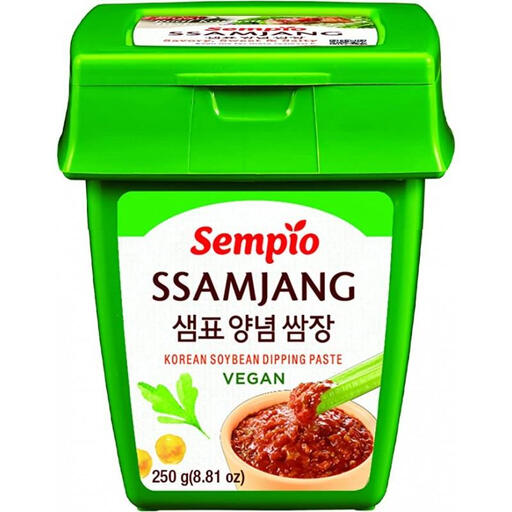
Why it stands out: Sempio Ssamjang is a seasoned Korean soybean paste specially designed as a dip and seasoning. It combines the savoury umami flavour of soybean paste with the mild heat of chilli paste and other aromatics like garlic and roasted sesame. Its vegan recipe makes it accessible to a wide audience.
Pros:
Who is it for? Perfect for Korean BBQ enthusiasts and anyone looking for a simple yet intensely flavourful dip. It is the classic sauce for ssam (food wrapped in lettuce) and pairs excellently with meat and vegetables.
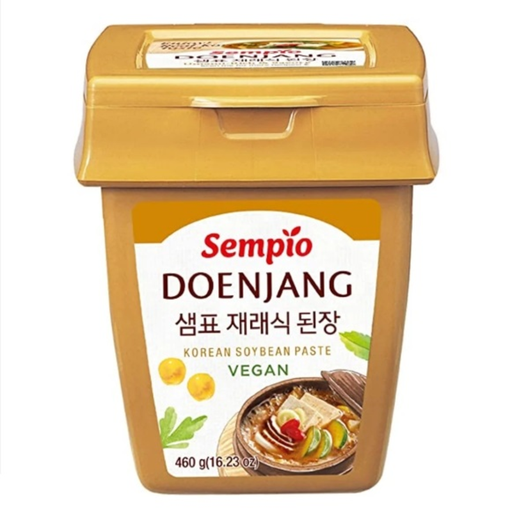
Why it stands out: This doenjang from Sempio is made using a traditional fermentation process that gives it a deep and robust umami flavour. Compared to Japanese miso paste, its flavour profile is significantly more intense and salty. It is made from selected soybeans and salt and is slowly fermented.
Pros:
Who is it for? This paste is for cooks who want to prepare traditional Korean dishes like doenjang-jjigae (soybean paste stew) and prefer a strong, salty-savoury flavour.
If you haven't found the right paste for your project yet, or if you'd like to explore more brands and variations, you can find a wider selection in our comprehensive category. There, you'll find different package sizes and specialty pastes for various culinary needs.
Discover more Korean pastes here
After opening, all fermented pastes should be stored tightly sealed in the refrigerator. This slows down the fermentation process, maintains freshness, and prevents changes in flavour.
Gochujang is an extremely versatile Korean chilli paste. It serves as the base for tteokbokki paste, is mixed into bibimbap sauce, used for marinades (e.g., for bulgogi or spicy chicken), and adds a pleasant heat to Korean stews (jjigae).