
Lieferung heute & morgen

Qualitätsgarantie

Willkommens-Angebote freischalten: KOSTENLOSE Lieferung | Bis zu 80 % RABATT | Kostenlose 30-Tage-JoyPlus-Testphase
App herunterladen
Korean ramen, or "ramyun," has evolved from a niche product into a pantry staple. Fueled by K-pop, K-dramas, and viral social media trends like the "Ramen Challenge," the demand for authentic and especially spicy instant noodles has skyrocketed. However, the expanding market can be overwhelming, often leading to disappointment. Many buyers invest in products that fail to deliver on their promises.
As your Joybuy Product Recommendation Officer, I'm here to help you identify the common pitfalls and make an informed decision. We'll focus on the objective features that define a quality product.
The 2 Most Common Mistakes When Buying Korean Ramen:
To avoid buyer's remorse, you should check three core parameters before purchasing Korean ramen. These will help you objectively evaluate the quality and character of the noodles.
The texture of the noodles is crucial. Korean ramyun are known for their thick, springy (often described as "chewy") noodles that retain a firm bite even after cooking.
Korean instant noodles fall into two main categories that define the entire flavour experience:
Established Korean brands like Samyang, Nongshim, Paldo, and Ottogi have been on the market for decades and are synonymous with authentic flavour profiles. A quick look at the manufacturer and country of origin on the packaging often reveals more about the expected quality than any flowery product description. When you buy ramen online, look for these brand names to make a reliable choice.
Here are some recommendations tailored to different preferences and use cases.
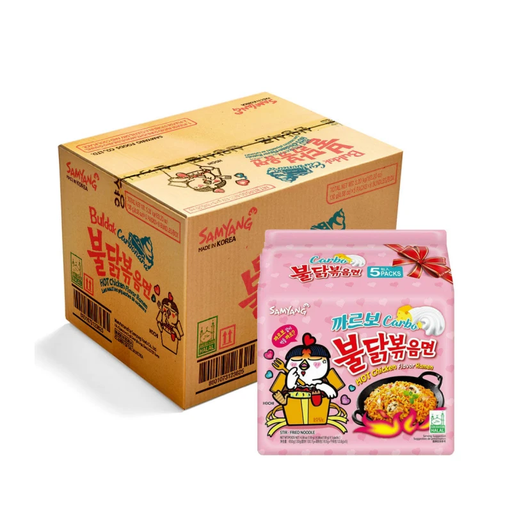
Why This Fits Their Persona: Ideal for anyone who wants to experience the viral hype around Buldak Carbonara firsthand. The combination of spice and creaminess makes it a perfect entry point into the world of spicy Samyang noodles.
This product is from Samyang, an authentic Korean manufacturer. The creamy carbonara powder mix tempers the intense heat of the Buldak sauce, avoiding the "too spicy" trap for newcomers.
A balanced combination of the signature Buldak spice and a rich, creamy cheese-and-cream flavour. The thick noodles retain their firm bite.
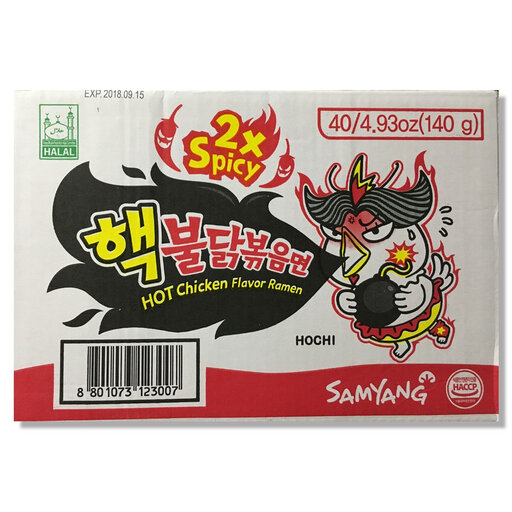
Why This Fits Their Persona: For those specifically seeking the extra-spicy noodles for the Ramen Challenge. This product is famous for its extreme heat and is aimed at experienced eaters of spicy food.
This product bypasses the "spice lottery" by delivering a clearly defined, very high level of heat. Buyers know exactly what they're getting and won't be disappointed by an unexpectedly mild flavour.
Defined, extreme heat for an authentic "Spicy Noodle Challenge." The thick, chewy noodles provide a satisfying texture even with the intense sauce.
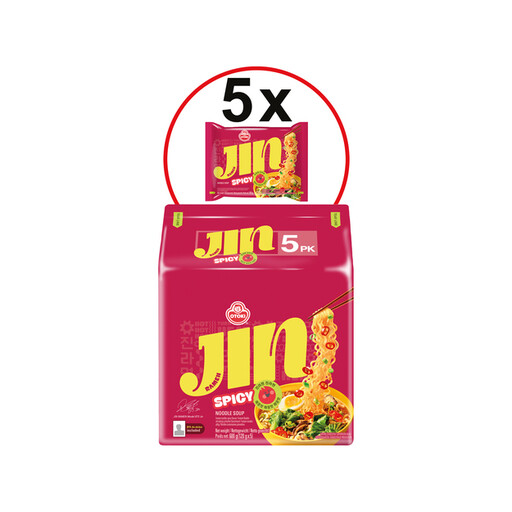
Why This Fits Their Persona: Perfect for those who prefer a traditional, hearty, and flavourful Asian noodle soup. The focus here is on a rich broth rather than extreme heat.
As a product from Ottogi, a legacy Korean brand, it avoids the "Korean Style" trap. It offers an authentic, balanced flavour that isn't solely defined by its spice level.
A rich, savoury broth flavour with a well-balanced heat. An established classic in South Korea that offers reliability and traditional enjoyment.
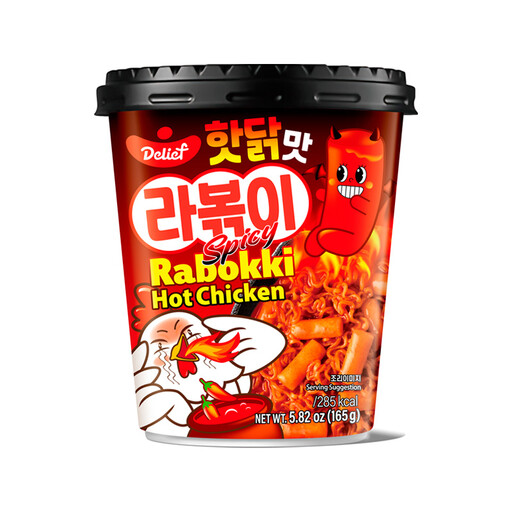
Why This Fits Their Persona: For the adventurous eater who wants more than just noodles. Rabokki is a popular Korean street food dish that combines ramen noodles and tteokbokki (rice cakes).
This product escapes the monotony of many instant meals. It delivers an authentic combination of different textures—chewy rice cakes and springy noodles—avoiding the disappointment of a one-note noodle dish.
Offers an authentic rabokki experience with two main components: ramen noodles and rice cakes. The hot chicken seasoning provides an intense and familiar heat.
We have compiled a complete, up-to-date list of products that fully meet these strict selection criteria and local regulations.
If you find a dish too spicy, there are simple ways to reduce the heat:
Although the terms sound similar, there are clear distinctions. "Ramen" typically refers to the Japanese dish featuring fresh noodles and a slow-simmered broth. "Ramyun" (??) is the Korean term that refers almost exclusively to instant noodles. Korean ramyun is also often more intensely spiced, particularly with chilli.
No, there is a wide variety of non-spicy Korean instant noodles. Popular examples include Jjajangmyeon (noodles in a thick, black bean sauce) or mild beef and seafood broths. Even though spicy dishes are trending, Korean cuisine offers a broad spectrum of flavours.