
Lieferung heute & morgen

Qualitätsgarantie

Willkommens-Angebote freischalten: KOSTENLOSE Lieferung | Bis zu 80 % RABATT | Kostenlose 30-Tage-JoyPlus-Testphase
App herunterladen
Korean ready-to-drink coffee combines quick preparation with a variety of flavour profiles: from bold Americano coffee and creamy café latte to sweet options such as Caramel Macchiato or hazelnut coffee. For professionals, students, K-Culture fans and ARMY members, small bottles, cans and pouches are practical for the fridge, office or on the go.
However, it is worth taking a closer look at the product information before buying. Eye-catching packaging or a term such as “barista-style” alone tells you little about sweetness, milk content, serving size or how the product is actually intended to be used.
Black coffee drinks are often assumed to contain no carbohydrates. This is not automatically the case with every product. The ingredients list and nutritional information per 100 ml are what matter. Some Americano products contain sugar or sweeteners, even though no milk has been added.
If you are specifically looking for sugar-free coffee, check for “sugar” in the ingredients list and look at the “of which sugars” value. According to the product information, CTB Black Americano contains 0 g of sugar per 100 ml and approximately 3.55 kcal. For Jardin Signature Americano Black, however, the nutritional values are given as estimated or typical values. The packaging should therefore be checked for definitive information.
Caramel Macchiato, vanilla coffee and hazelnut coffee are approachable options in terms of flavour. Depending on the recipe, however, they may contain sugar, sweeteners or flavourings. According to the product description, Caffe Bene Caramel Macchiato Pouch 190 ml contains 9 g of sugar per 100 ml. This works out at around 17.1 g of sugar for the whole pouch.
A product with caramel or vanilla notes is therefore not automatically low in calories. When choosing, you should consider serving size, sugar per 100 ml and the total amount per pack together.
A ready-to-drink coffee can be consumed straight from the chilled bottle, can or pouch. A coffee pouch can often be poured over ice and requires no additional preparation.
Espresso Liquid, on the other hand, is often a concentrate. It is diluted with water, milk or a plant-based alternative. This is convenient if you want to prepare your drink to your own preference, but it is not the same as a finished iced coffee. Before buying, you should therefore decide whether you want to drink it straight away or mix it flexibly.
For milk-based drinks such as latte or Caramel Macchiato, the milk content is relevant. According to the product information, the Caffe Bene Caramel Macchiato Pouch contains milk and has a 20% milk content. Starbucks Caffè Latte is made up of 75% drinking milk according to its labelling and also contains milk as an allergen. If you need to avoid milk, check the allergen labelling for each variety.
Different considerations may apply to black coffee or flavoured varieties without milk. “Milk-free” should not be inferred from the product name alone. The information on the label is decisive, including any statements about production in facilities that process other allergens.
Comparing products per 100 ml makes it easier to assess different pack sizes. However, the actual serving also matters when making a purchase:
These figures show that milk-based and flavoured varieties should generally be assessed differently from black Americano. For products containing sweeteners, you should also read the ingredients list.
Pouches take up little space and can easily be poured over a cup of ice. Bottles and cans are suitable for drinking straight away. For all formats, the following applies: Store unopened products according to the packaging instructions; once opened, refrigerate them in line with the manufacturer’s instructions and consume promptly.
A best-before date is not a guarantee of a particular intensity of flavour after opening. For larger multipacks, you should therefore check whether the quantity suits your typical consumption. For individual breaks, 190 ml or 230 ml servings are easy to manage; for regular use, multipacks may offer better value.
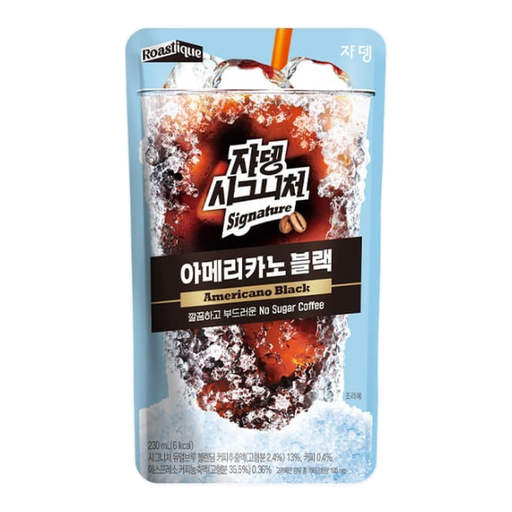
Why this product suits this profile: The 230 ml bottle provides a convenient individual serving and, according to the product description, is enjoyed without milk or sugar. This makes it a good choice for shoppers looking for an uncomplicated black coffee for the office, lectures or the commute.
The product description lists roasted coffee beans as the base and contains no milk. However, the nutritional values are marked as estimated, so buyers should check the packaging.
Individual 230 ml serving, black coffee variety without milk according to the product information, suitable for enjoying chilled.
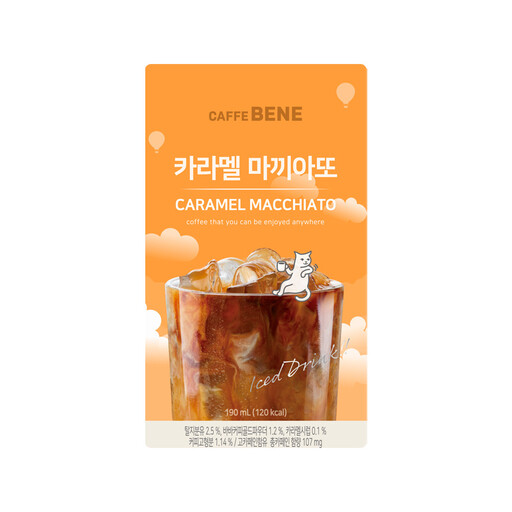
Why this product suits this profile: The combination of espresso extract, milk and caramel syrup is aimed at shoppers who prefer a sweet, creamy coffee drink in the style of a café latte.
The ingredients and nutritional values make the milk and sugar content clear. This makes it easier to assess the sweet flavour profile before buying.
190 ml pouch with 20% milk and caramel syrup according to the product information; can be enjoyed chilled or over ice.
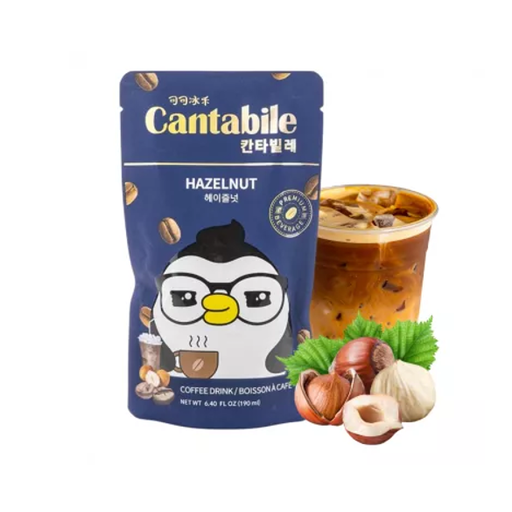
Why this product suits this profile: The ten-pack is ideal for regular breaks and households that want to keep flavoured Korean coffee readily available. According to the product information, the hazelnut note complements the coffee flavour without milk.
The nutritional values state approximately 30.7 kcal and 6.55 g of sugar per 100 ml. This makes the sweeter, flavoured profile clear before purchase.
230 ml servings in a multipack, coffee extract and coffee concentrate according to the product information; listed as milk-free and gluten-free on the datasheet.
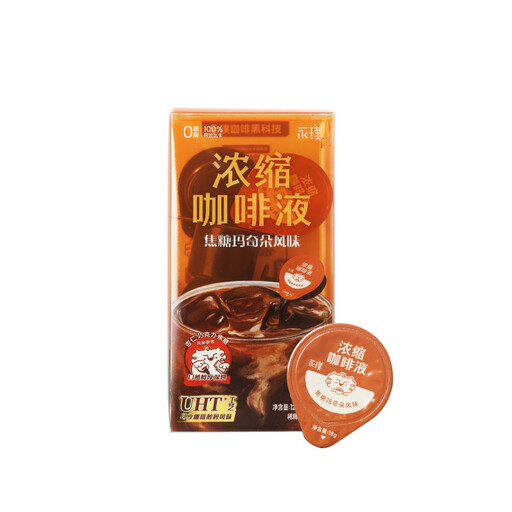
Why this product suits this profile: The seven individual sticks, each containing 18 g, are ideal for anyone who wants to decide the strength and quantity of their iced coffee themselves. The concentrate is diluted with water or milk before drinking.
The product information clearly states that dilution is required. This prevents the concentrate from being confused with coffee that is ready to drink straight away.
126 g total weight, seven portioned sticks and, according to the product information, 0 g of sugar per 18 g serving.
We have put together a complete, regularly updated list of products that fully meet these strict selection criteria and the safety regulations applicable in the EU.
Many varieties taste delicious chilled straight from the packaging. For pouches, the product information often recommends shaking the contents and pouring them over ice. This creates a cold coffee with a controlled amount of ice. Espresso Liquid, on the other hand, is first mixed with water or milk and then chilled.
The best-before date is shown on the packaging and applies to the unopened product when stored correctly. Once opened, milk drinks and pouches should be refrigerated and consumed immediately or soon afterwards. The specific manufacturer’s instructions take precedence.
When buying coffee online, you should check the origin, ingredients, allergens, nutritional values, serving size and storage instructions on the product page. For Korean coffee from South Korea, Caffe Bene, Jardin and CTB are useful search terms. If you are also looking for concentrates for latte, Americano or Caramel Macchiato, you will find them in the liquid coffee extract category.