
Lieferung heute & morgen

Qualitätsgarantie

Willkommens-Angebote freischalten: KOSTENLOSE Lieferung | Bis zu 80 % RABATT | Kostenlose 30-Tage-JoyPlus-Testphase
App herunterladen
Korean cuisine is enjoying growing popularity worldwide, and more and more home cooks want to prepare dishes like Bulgogi, Tteokbokki, or Kimchi stew at home. The key to authentic results lies in using the right Korean sauces and pastes. However, the growing selection can quickly become overwhelming and lead to misguided purchases.
Many products are adapted for Western palates, while others require a specific application that isn't always clear from the packaging. This guide will help you avoid the most common pitfalls and find the right sauce for your culinary project.
Common Pitfalls When Buying Korean Sauces:
To ensure you get the right product for your recipe, you should check three core aspects. These will help you objectively evaluate a sauce's function and quality.
Korean condiments can be divided into three main categories, and understanding the difference is essential for cooking success:
A look at the ingredient list reveals the quality and character of a sauce. Pay attention to the order of the ingredients:
The label often provides clues about the expected flavour profile. Terms like "Hot & Spicy" indicate a higher level of heat, while a classic Bulgogi sauce is more sweet and salty. Ssamjang combines the salty, savoury umami flavour of soybean paste (Doenjang) with the spicy sweetness of Gochujang. A Kimchi sauce or Kimchi soup concentrate delivers the characteristic sour-spicy taste of fermented cabbage.
Here are some recommendations tailored to different user profiles and their needs.

Why This Fits Their Persona: Ideal for anyone wanting to learn the fundamentals of Korean cooking. This paste is a versatile base for stews, marinades, and sauces, allowing you to control the spice level and flavour yourself.
This product is clearly positioned as a Korean cooking paste, not a ready-made sauce. It encourages correct use as a seasoning base, avoiding the disappointment of using an unpalatably concentrated paste directly.
Offers an authentic, deep flavour profile through fermentation. The 500g package is practical for regular cooking.
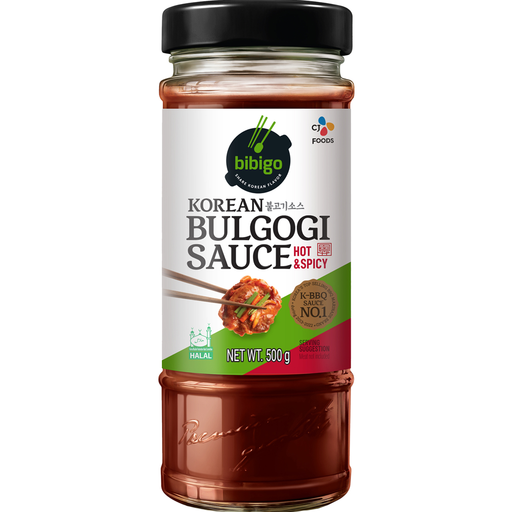
Why This Fits Their Persona: Perfect for BBQ fans who want to experience the classic taste of spicy-sweet Bulgogi at home. This ready-to-use Korean marinade from Bibigo significantly simplifies preparation.
The sauce is clearly declared as a marinade and contains pear and apple puree, indicating a more traditional sweetening method instead of just syrup. The "Hot & Spicy" version meets the expectation of a zesty heat.
Ready-to-use and time-saving. The combination of Gochujang and fruit puree provides a complex balance of spice, sweetness, and umami.
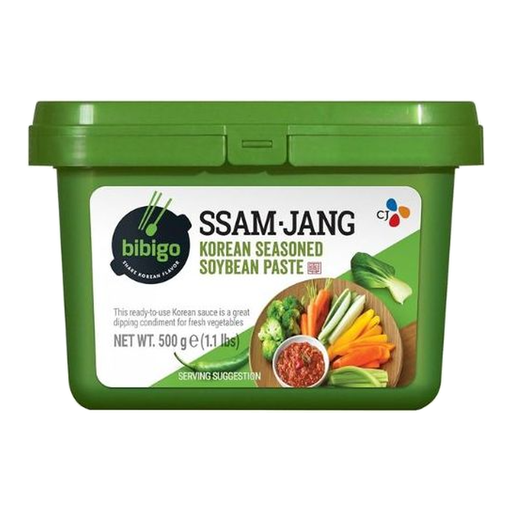
Why This Fits Their Persona: This paste is indispensable for lovers of Ssam (Korean wraps). It's used directly from the jar as a dip for grilled meat, rice, and fresh vegetables wrapped in lettuce leaves.
The name Ssamjang clearly signals its purpose as a dip for wraps. It is a ready-to-use product, which eliminates any confusion with a concentrated cooking paste.
Combines the savoury depth of soybean paste with the spicy sweetness of chilli paste. Ready to serve immediately.
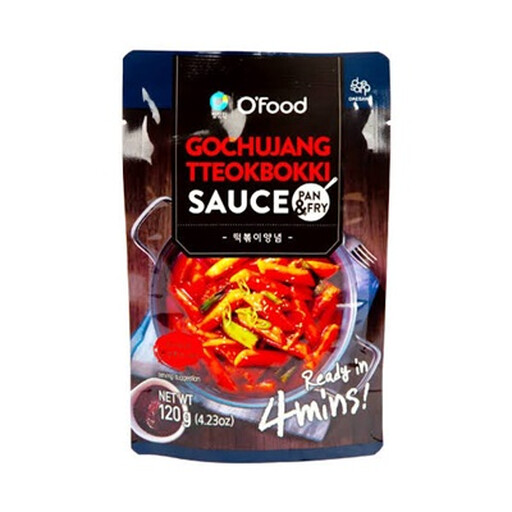
Why This Fits Their Persona: For fans of the popular Korean street food Tteokbokki (spicy rice cakes). This ready-made sauce allows for quick and easy preparation of the dish in just a few minutes.
As a dedicated Tteokbokki sauce with clear preparation instructions, it prevents home cooks from having to mix the complex sauce from scratch. The portion size is tailored for a typical meal.
Delivers an authentic taste experience with minimal effort. The balance of sweetness and spice is already perfectly calibrated.
We've compiled a complete, up-to-date list of products that meet these strict selection criteria.
Due to their high salt content and fermentation process, pastes like Gochujang or Doenjang have a very long shelf life after opening. They should always be stored in the refrigerator to preserve their freshness and colour. With proper storage, they often last for several months to over a year. Be sure to use a clean spoon to scoop it out to avoid contamination.
No, they are two fundamentally different products. Gochujang is a thick, fermented Korean chilli paste with a complex flavour profile that is sweet, salty, spicy, and rich in umami. It is primarily used as a cooking ingredient. Sriracha is an unfermented chilli sauce made from chilli peppers, vinegar, garlic, and sugar. Its flavour is more direct, sharper, and more acidic, and it is mostly used as a finishing condiment at the table.
Yes, absolutely. Although Bulgogi sauce is traditionally used for thinly sliced beef, its sweet and salty flavour profile is excellent for other types of meat. The marinade works just as well for pork (Dwaeji Bulgogi) or chicken (Dak Bulgogi), ensuring a tender and flavourful result.