
Lieferung heute & morgen

Qualitätsgarantie

Willkommens-Angebote freischalten: KOSTENLOSE Lieferung | Bis zu 80 % RABATT | Kostenlose 30-Tage-JoyPlus-Testphase
App herunterladen
A Korean seaweed snack is perfect for many everyday occasions: as a crispy side dish with rice, a nori snack at the office, or a topping for salads, soups and bowls. The choice ranges from simply roasted seaweed sheets to seasoned seaweed with wasabi, kimchi, teriyaki or barbecue flavours.
However, some product details can easily lead to the wrong choice. Large packs may look attractive in terms of price, for example, but lose their crispness more quickly once opened. The term “roasted” alone also says nothing about the amount of oil, salt content or seasonings. That is why our selection is based on clear product information and different intended uses.
A 40 or 50 g pack is not automatically suitable for eating straight from the pack. Seaweed flakes and larger value packs are often better suited as toppings for rice or salads. For taking on the go, individually sealed portions are more practical, as the remaining sheets are not exposed to moisture at the same time.
Roasted seaweed is often enhanced with oil and seasonings. Depending on the recipe, it may contain sugar, sesame oil, soya, wheat ingredients or flavour enhancers. Nutritional information usually refers to 100 g, even though an individual serving is considerably smaller. For a fair comparison, you should therefore consider serving weight, salt content and the oils used together.
Wasabi seaweed, kimchi seaweed and hot chilli varieties can taste considerably more intense than an original gim snack. The exact level of heat cannot be determined from the product name alone. Ingredients such as wasabi seasoning, chilli powder, garlic or kimchi seasoning provide a better indication.
For Korean seaweed snacks, the following allergens are particularly relevant:
For example, the Seleco Breaded Seaweed Snack contains seaweed, palm oil and a batter mix with wheat flour and rice flour. Soya and wheat are listed among the allergens; traces of other ingredients may also be present. If you have allergies, always refer to the labelling on the packaging delivered.
Seaweed sheets are suitable for sushi, kimbap or eating as a snack. Thin, seasoned sheets are convenient for portioning, but may soften more quickly after opening. Seaweed flakes such as Jaban can be sprinkled evenly over rice, noodles, soups or salads. For sushi, however, choose unseasoned sheets or ones specifically intended for this purpose.
Crispy seaweed is sensitive to moisture. The following options are useful:
A fridge is only useful if the packaging remains completely airtight. Condensation can affect the texture.
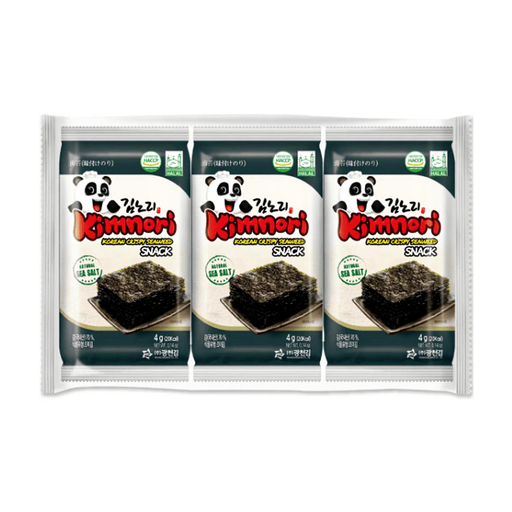
Why this product suits this profile: Three individually packed 4-g portions are ideal for beginners, breaks or as a small side dish with rice. The original seasoning has a flavour closer to a classic gim snack.
The individual portions reduce the risk of a large opened pack losing its crispness because of moisture.
3 x 4 g, ready to eat and with sesame listed as an allergen.
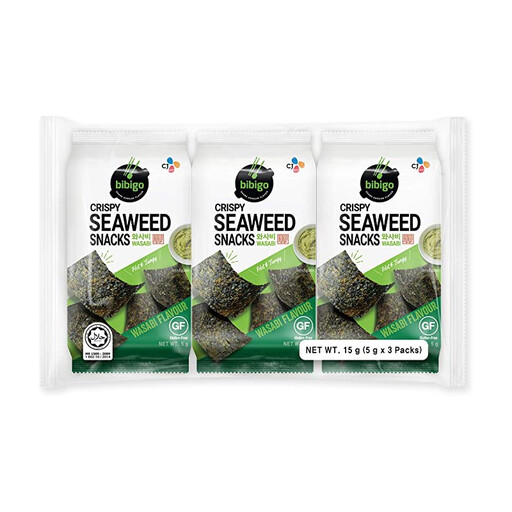
Why this product suits this profile: The three sealed packs combine a roasted, crispy texture with wasabi seasoning. According to the product information, the recipe is gluten-free and suitable for vegetarians.
The ingredients list specifies the wasabi seasoning content and the allergens mustard and sesame. This makes it easier to assess the intense flavour before buying.
3 individual packs, 45 g in total according to the product description, with rapeseed oil and a wasabi seasoning blend.
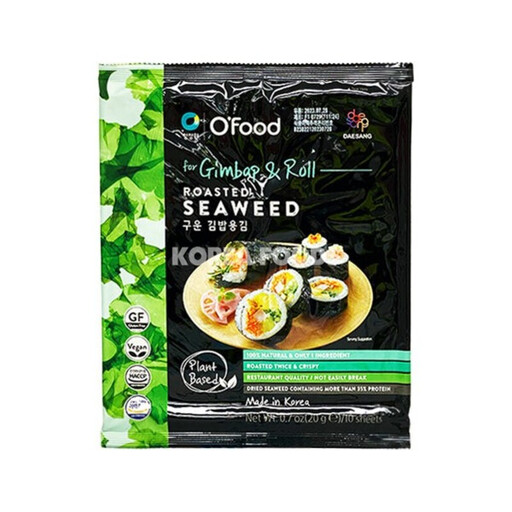
Why this product suits this profile: These plain dried seaweed sheets are intended for sushi rolls and can also be enjoyed as a snack or side dish.
The clear “for sushi” description prevents seasoned sheets from being confused with a neutral ingredient for sushi or kimbap.
100% dried seaweed according to the product description, a 20-g pack and no declared allergens.
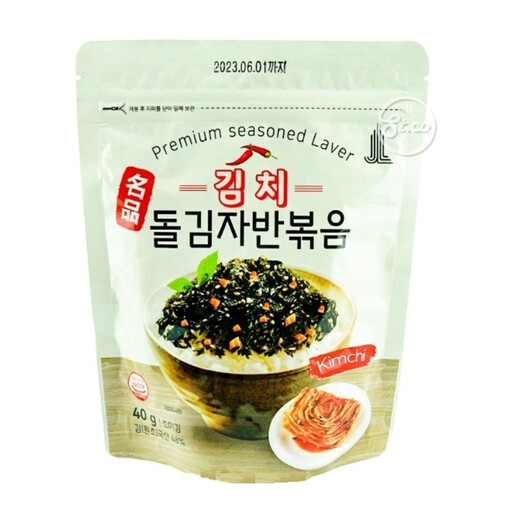
Why this product suits this profile: The pieces are already torn, making them convenient for snacking straight from the pack or sprinkling over rice. According to the product information, the kimchi seasoning combines chilli, garlic, onion and acidity regulators.
The torn format makes the intended use clear. Sesame is also listed as an allergen, with possible traces of crustaceans and fish declared.
40 g, Korean origin according to the product information, and versatile as a snack or topping.
We have put together a complete, regularly updated list of products that fully meet these strict selection criteria and the safety regulations applicable in the EU.
Products containing sesame oil, soya sauce or seasoning blends are not automatically suitable for every diet. The term “vegetarian” should also be checked against the product information and packaging.
After opening, the pack should be sealed tightly again straight away. For larger bags, an airtight container is recommended. Heat, steam and high humidity accelerate the loss of crispness.
Not necessarily. Seaweed for sushi is often unseasoned and available as a whole sheet. A seasoned seaweed snack, on the other hand, usually contains oil, salt and additional flavourings. Depending on the recipe, both varieties may be suitable for kimbap, although the seasoning affects the overall flavour.
The best-before date applies to the unopened original packaging. Once opened, seaweed should be eaten as soon as possible and stored in a dry, airtight environment. The information on the individual packaging always takes precedence.