
Lieferung heute & morgen

Qualitätsgarantie

Willkommens-Angebote freischalten: KOSTENLOSE Lieferung | Bis zu 80 % RABATT | Kostenlose 30-Tage-JoyPlus-Testphase
App herunterladen
Korean skincare, also known as K-Beauty, now encompasses far more than multi-step routines. Facial cleansers, Korean serums, moisturisers, face masks, and Korean sunscreens are available in a wide range of formulations. However, the sheer variety can make choosing the right product difficult: eye-catching packaging says little about whether a product is suitable for your skin.
This shopping guide from the Joybuy Product Recommendation Officer explains what consumers in Germany should look for when buying Korean skincare—without relying solely on performance claims or trending ingredients.
Niacinamide, Centella Asiatica, collagen, rice extracts, and hyaluronic acid are often prominently advertised. However, the complete INCI list is what matters. A product may contain several well-known ingredients while also including alcohol, fragrance, or essential oils that may be unsuitable for sensitive skin.
If your skin is sensitive, prone to redness, or blemish-prone, test new products on a small area of skin first. This is particularly important for formulations containing acids, fragrance, or numerous botanical extracts.
A cosmetic product cannot permanently close pores. Hydration can temporarily make the skin’s surface appear smoother. When choosing products for pore care, it is therefore important to distinguish between an improved-looking skin surface, cleansing, and a claim of lasting results.
One example is a serum containing propolis and niacinamide. According to the product description for the Beauty Of Joseon Glow Serum Propolis+Niacinamide, it contains 60% propolis extract and 2% niacinamide. The description refers to a lightweight, honey-like texture and care for the appearance of pores. These are product-specific statements, not medical claims.
Sets containing multiple individual products may seem convenient, but they can include unnecessary duplication. For beginners, a streamlined routine is usually sufficient:
Face masks and additional exfoliating products are optional steps. For dry or sensitive skin, a shorter routine may be easier to manage than a set containing ten or more formulations.
“Oily skin” can also be dehydrated. “Blemish-prone skin” may react sensitively to harsh cleansing. Do not choose products based solely on skin type; take your skin’s current condition into account as well.
Ingredients are generally listed in descending order of concentration, although the precise classification can vary depending on the concentration and formulation. Also check the following:
For face masks, the number of sheet or hydrogel masks is also important. A product containing four masks needs to be assessed differently from a pouch containing ten individual applications.
A Korean sunscreen with SPF 50+ is an appealing option for many daytime routines. The sun protection factor refers to UVB radiation; UVA protection labelling should also be checked. In everyday use in Germany, the number on the packaging is not the only relevant factor—the amount applied and reapplication during prolonged sun exposure matter too.
Products containing AHA, such as the Medicube Zero Pore Cream according to the provided INCI list, may increase the skin’s sensitivity to light. With such formulations, using suitable sunscreen during the day is particularly important.
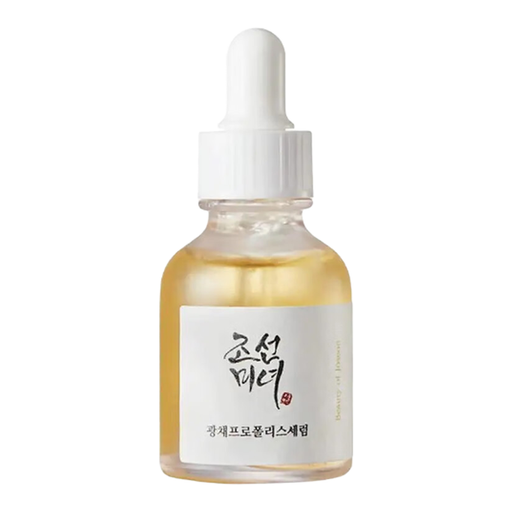
Why This Fits Their Persona: A single serum is a manageable addition for K-Beauty beginners who do not want to purchase a complete routine straight away.
The advertised ingredients and their concentrations are stated clearly; the formulation should nevertheless be assessed for individual tolerance.
60% propolis extract, 2% niacinamide, and 30 ml of product; lightweight serum texture according to the product description.
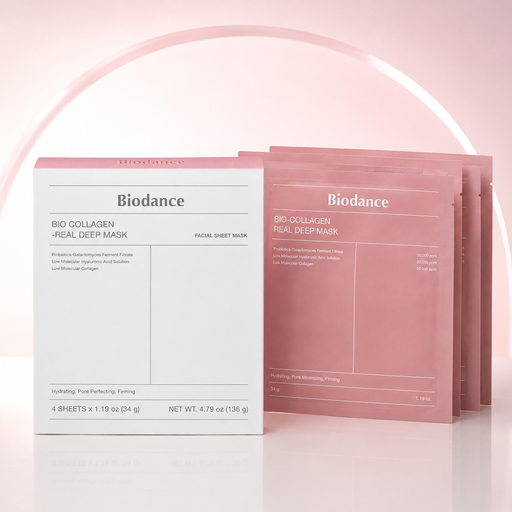
Why This Fits Their Persona: Ideal for people who prefer one clearly defined mask treatment as part of their weekly skincare routine.
The recommended frequency is once or twice a week. This makes it easy to plan the mask as an additional treatment rather than treating it as a replacement for a complete routine.
Four hydrogel masks weighing 34 g each; according to the product information, formulated with collagen extract, niacinamide, and ceramide NP.
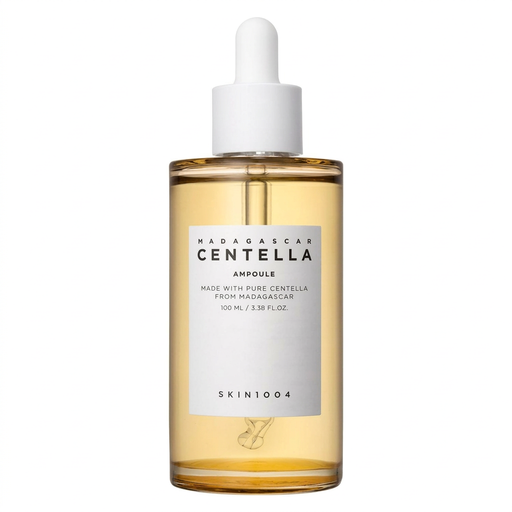
Why This Fits Their Persona: The 100 ml size suits regular use and people who want to incorporate Centella Asiatica specifically into their Korean skincare routine.
The product description specifies a streamlined formula without fragrance or alcohol. Allergies and the current INCI list on the packaging should nevertheless be taken into account.
100 ml of product; Centella Asiatica extract as the key ingredient and a fluid ampoule texture according to the product description.
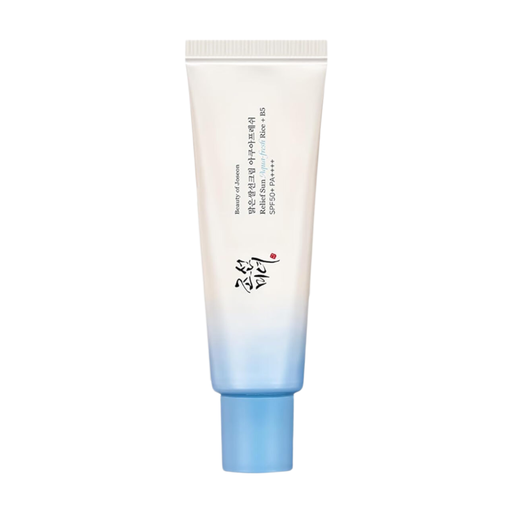
Why This Fits Their Persona: An option for people who want to make Korean sunscreen the consistent final step in their daily facial care routine.
SPF50+ and PA++++ are clearly stated. In Germany, also check the labelling, EU product information, and application instructions on the packaging.
50 ml of product, rice bran water, and panthenol according to the product description; stated lightweight, lotion-like texture.
Our category features an regularly updated selection of skincare products for different routines and skin needs in Germany.
Begin with a gentle facial cleanser, a moisturiser, and sunscreen during the day. You can add a serum or face mask later. Introduce new products one at a time so that any potential reactions are easier to identify.
The best-before date, batch number, and, where applicable, the period-after-opening symbol are the key references. For sheet or hydrogel masks, resealable pouches should be closed carefully after each use. The specific information on the packaging takes precedence over general guidelines.
The cost depends on product size, frequency of use, and the number of steps. A streamlined routine consisting of cleansing, moisturising, and sun protection is usually easier to budget for than an extensive set. Compare not only the individual price, but also the volume, number of applications, and actual necessity of each product.