
Lieferung heute & morgen

Qualitätsgarantie

Willkommens-Angebote freischalten: KOSTENLOSE Lieferung | Bis zu 80 % RABATT | Kostenlose 30-Tage-JoyPlus-Testphase
App herunterladen
Korean skincare, also known as K-Beauty, is all about multi-step routines, lightweight textures and carefully selected active ingredients. The range extends from a simple face serum to a complete Korean facial skincare routine with cleanser, toner, ampoule and face moisturiser.
However, the wide choice can lead to unnecessary purchases. Not every glossy package is suitable for sensitive skin, and a long ingredients list is not a reliable indicator of quality. By matching your skin type, active ingredients and frequency of use, you can keep your routine streamlined and choose products more effectively.
Percentage claims can be persuasive, but they need to be considered in context. A niacinamide serum with a moderate concentration may be more suitable for beginners than a product marketed with a very high concentration. Tolerance is also crucial with retinoids. New products should initially be tested on a small area of skin and not combined with several strong active ingredients at the same time.
A lightweight gel cream may feel pleasant on combination skin but may not be enough on its own for dry skin. Conversely, rich formulations may feel too heavy on blemish-prone skin. Texture, fragrance, alcohol, declared allergens and the complete INCI list on the packaging are all important.
Terms such as “Glass Skin”, “Glow” or “Anti-Aging Care” often describe the desired appearance of the skin rather than guaranteeing a specific effect. More objectively verifiable details include the stated 50 ml contents, the position of an active ingredient in the ingredients list, the texture and specific usage instructions. When formulations change, the current packaging is the decisive reference.
For dry or tight-feeling skin, glycerine, panthenol, ceramides and various forms of hyaluronic acid are typical ingredients in hydrating products. A cream containing ceramides and lipids can help support the skin’s surface moisture balance and contribute to strengthening the skin barrier.
Sensitive skin often benefits from short, straightforward formulations. A Centella serum or Centella ampoule can provide a lightweight skincare step. Nevertheless, even plant extracts can cause individual intolerances.
For blemish-prone or shine-prone skin, lightweight, non-sticky textures are practical. Niacinamide or an ampoule designed to care for oily skin may be suitable. However, cosmetic products should not be viewed as treatments for a skin condition.
The simplest approach is a routine built around one main active ingredient. Only once your skin tolerates it well should you add another active skincare product.
A large bottle is not automatically more economical. For a serum used frequently, 100 or 150 ml may be practical. For a new active ingredient, however, 20 or 30 ml gives you the opportunity to test your personal tolerance first.
Before buying, check the batch number, expiry date and period-after-opening symbol on the packaging. Products should be stored closed, in a dry place and away from direct sunlight. Stop using the product if you experience burning, itching, redness or swelling. Only apply products to the eye and lip areas if this is expressly intended.
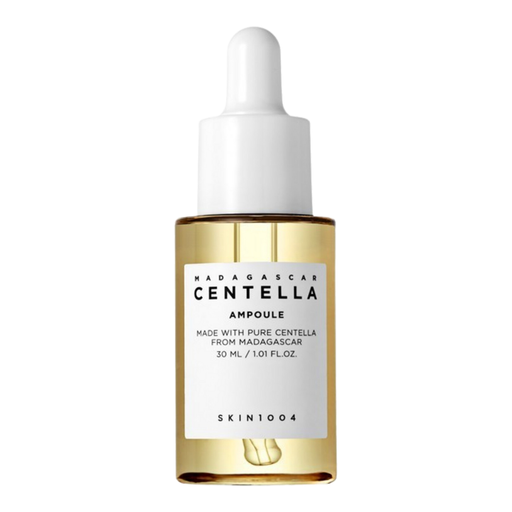
Why this product suits this profile: The 30 ml size is ideal for introducing a lightweight Centella product into your routine. According to the product details, the ampoule contains Centella asiatica extract and has a watery texture.
The concise INCI list makes it easier to check the product before buying. According to the product description, it contains no fragrance or alcohol.
30 ml contents, a lightweight serum texture and one clearly stated main ingredient.

Why this product suits this profile: According to the INCI list, the cream combines ceramides, cholesterol and seven stated forms of hyaluronic acid. This makes it appealing to shoppers looking for richer barrier care with a creamy, silky texture.
The choice is supported by specific ingredients rather than vague glow claims. The cream is used as the final or penultimate skincare step.
50 ml contents, plus ceramides and several hyaluronic acid derivatives according to the ingredients list.
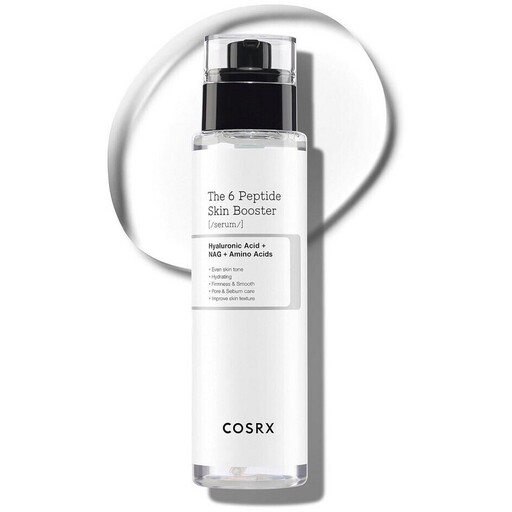
Why this product suits this profile: At 150 ml, the serum is designed for regular use. According to the product description, it contains a complex of six peptides and absorbs without leaving a sticky feeling.
The large quantity and clearly positioned active ingredients help avoid unnecessarily buying several similar serums.
150 ml contents and six stated peptides according to the product description.
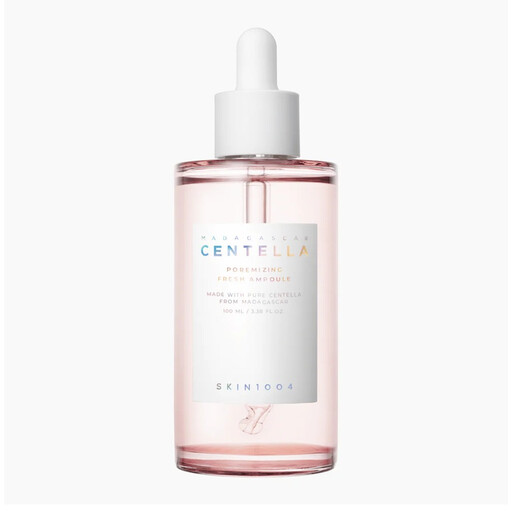
Why this product suits this profile: According to the product description, the lightweight ampoule is designed for oily and combination skin. It contains Centella asiatica extract, panthenol and several forms of hyaluronic acid.
The description clearly states the texture, target group and usage. This makes it easier to distinguish the ampoule from richer creams.
100 ml contents, a lightweight texture and, according to the product details, no artificial fragrance or alcohol.
We have put together a complete, regularly updated list of products that fully meet these strict selection criteria and the safety regulations applicable in the EU.
A straightforward order for Korean facial skincare usually looks like this:
Retinol products such as The Retinol 0.1 Cream should be introduced gradually. The product information recommends building up use step by step and applying sun protection during the day. If you have sensitive skin, it is advisable not to start using exfoliants, retinol and highly concentrated active-ingredient serums at the same time.
A complete routine is not essential. Cleansing, moisturising and sun protection provide a straightforward foundation. You can add a serum if you have a specific skincare goal, such as dryness, visible shine or an uneven-looking complexion.
This depends on the product size, frequency of use and dosage. A 30 ml serum can last for several weeks or longer when using a few drops per application. A 100 ml ampoule or 150 ml booster is easier to plan for daily use. The expiry date and period after opening stated on the packaging remain the key references.
Formulations with just a few ingredients, Centella, panthenol or ceramides may be suitable options. However, individual tolerance cannot be determined from the product name alone. A patch test should be carried out before applying the product over a larger area for the first time.