
Lieferung heute & morgen

Qualitätsgarantie

Willkommens-Angebote freischalten: KOSTENLOSE Lieferung | Bis zu 80 % RABATT | Kostenlose 30-Tage-JoyPlus-Testphase
App herunterladen
Blemish-prone skin, clogged pores and redness can quickly lead to an overloaded skincare routine. Many products promise smooth skin, fewer spots or an even complexion. However, it is often not clearly explained which ingredient is suitable for which skin concern.
A sensible selection therefore starts not with the flashiest marketing term, but with your own skin situation. Korean facial care and Japanese skincare offer numerous formulations for oily, sensitive or blemish-prone skin. What matters are concentration, frequency of use and the combination of several active ingredients.
A BHA exfoliant, an AHA exfoliant, a retinoid and a highly concentrated niacinamide serum can each serve different purposes. However, if they are combined without a gradual introduction, your skin may react with dryness, stinging or redness. This is especially true for sensitive skin.
For beginners, a single active step is recommended. A gentle cleanser, moisturiser and daytime sun protection form the foundation. Additional active ingredients should only be added once your skin tolerates the existing routine well.
Cosmetics can temporarily make the appearance of pores look more even. However, the anatomical size of pores cannot be permanently changed by a skincare product. For oily skin, ingredients such as salicylic acid, niacinamide or clay can help reduce excess sebum and visible deposits. The effect depends on your skin type and how you use the product.
Plant extracts such as tea tree, Centella Asiatica or fruit extracts can be part of a soothing facial care routine. However, they are not irritation-free for everyone. Fragrances, essential oils and acids can also be problematic for sensitive or reddened skin. Looking at the full INCI list is therefore more important than the label "clean" or "natural".
An active ingredient in a cleanser only stays on the skin briefly. A serum or exfoliant, on the other hand, remains on the skin's surface for longer. Therefore, the product type is important when assessing your routine. Even a seemingly mild product can be too much if used daily.
Before the first full-face application, a patch test on a small area of skin is advisable. If persistent stinging, swelling, severe itching or a rash occurs, stop using the product and, if necessary, seek dermatological advice. Acid products and retinoids can increase light sensitivity; a suitable sunscreen should be part of your daytime routine.
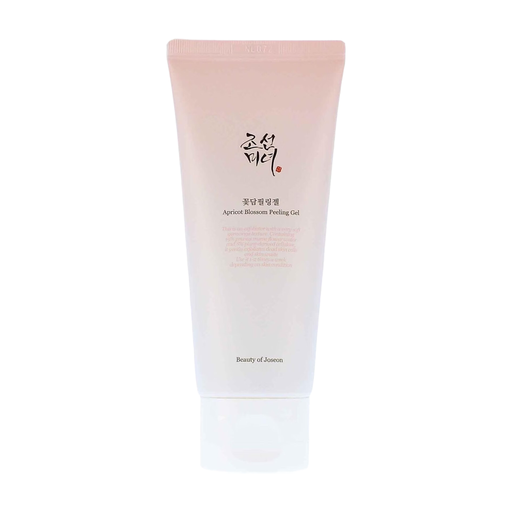
Why this product suits the profile: A straightforward peeling gel for those who want to add a single, occasional step to their routine.
According to the product details, it is applied to dry skin with a short massage. This makes it easier to control frequency than with a daily acid treatment.
19 percent plum blossom water and 8 percent plant-based cellulose according to the product description; intended for face and body.
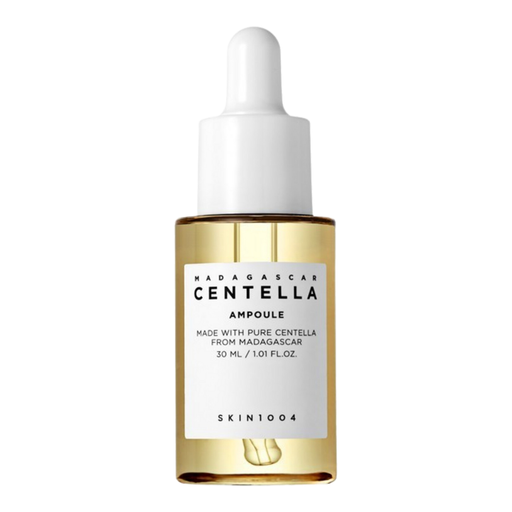
Why this product suits the profile: Suitable for those who prefer a pared-down formulation without many additional active ingredient groups.
The INCI list names Centella Asiatica Extract as the only declared ingredient. This makes it easier to identify the cause if your skin reacts to new products.
Watery texture, 30 ml bottle and application morning and evening according to the product details.
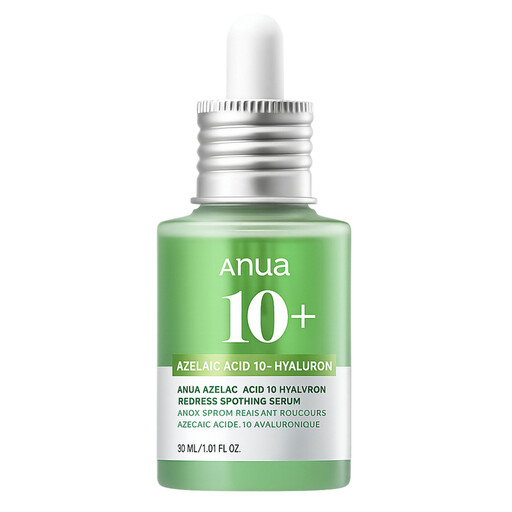
Why this product suits the profile: For those looking for an azelaic acid serum with hydrating and Centella-based accompanying ingredients.
The instructions recommend a slow start with one to two applications per week. This is easier to monitor for sensitive skin than immediate daily use.
10 percent azelaic acid, hyaluronic acid, panthenol and ceramides according to the product description and INCI.
A short routine with a gentle cleanser, moisturiser and only one active ingredient is usually easier to manage. A Centella Asiatica serum can be a pared-down option. With acids or azelaic acid, use should start slowly.
Products with BHA can be used in the cosmetic care of sebum and pore-related blemishes. They do not guarantee the removal of blackheads and should not be combined with vigorous rubbing or squeezing. For persistent issues, dermatological advice is advisable.
This depends on the acid type, concentration and skin tolerance. For beginners, once or twice a week is a cautious start. If stinging, severe dryness or redness occurs, pause use. The specific instructions on the packaging take priority.