
Lieferung heute & morgen

Qualitätsgarantie

Willkommens-Angebote freischalten: KOSTENLOSE Lieferung | Bis zu 80 % RABATT | Kostenlose 30-Tage-JoyPlus-Testphase
App herunterladen
Blemished, sensitive skin comes with particular demands when it comes to choosing products. You need a routine that removes excess sebum and impurities without unnecessarily irritating your skin. At the same time, many people are looking for K-beauty skincare with ingredients such as Centella Asiatica, niacinamide, azelaic acid or salicylic acid.
But not every product containing an active ingredient will suit every skin type. Marketing terms like “pore-refining”, “soothing” or “for sensitive skin” are no substitute for checking the full INCI list. The following criteria will help you compare Korean skincare objectively and avoid buying the wrong products.
Salicylic acid facial care, azelaic acid serum, retinol and exfoliants can each target different skincare concerns. However, if you use several active products at the same time, the risk of dryness, stinging or visible redness increases. Beginners in particular should start by introducing just one targeted active ingredient into their routine.
A light gel texture is not automatically suitable for sensitive skin. Alcohol denat., fragrances, essential oils or multiple acids can be problematic depending on your individual tolerance. What really matters is the specific product formulation, how often you use it, and how your own skin reacts.
With a serum for redness or a niacinamide serum, the concentration should be clearly stated. The Anua serum, for example, lists 10 % azelaic acid according to the product information. Other products may mention an active ingredient without stating its percentage. A higher concentration is not automatically the better choice for you.
For skincare for acne and clogged pores, salicylic acid is often used. It belongs to the beta-hydroxy acids and can be found in a facial cleanser or a leave-on product. If you have sensitive skin, a slow introduction is advisable, as cleansing products and serums stay on the skin for different lengths of time.
Azelaic acid is frequently used in cosmetic care for uneven-looking skin, blemishes and visible redness. Check the concentration, the recommended frequency of use, and whether any additional exfoliating ingredients are included.
Niacinamide is found in many K-beauty products. It is often used to care for oily-looking skin and an uneven complexion. Here too, the overall formulation is what matters, not just the single ingredient.
Pay attention to the position of fragrances, alcohol and essential oils in the INCI list. Products without perfume can be a sensible choice for those sensitive to smell or with reactive skin, but they do not guarantee individual tolerance.
Centella Asiatica, also known as cica, is included in many formulations for care for sensitive skin. A Centella Asiatica serum can complement a streamlined routine, but it does not replace a patch test. If you have known allergies, you should check all ingredients before purchasing.
A sensible routine usually consists of:
Acid-containing products, retinoids and highly active serums should not be combined without a plan. When trying new products, a small patch test is advisable. Do not apply to broken, irritated or freshly scratched skin.
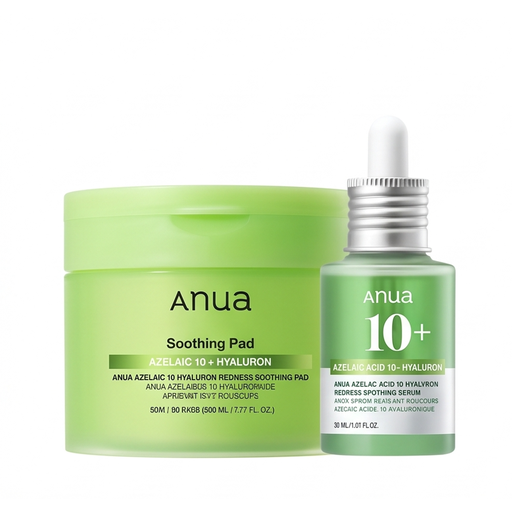
Why this product suits the profile: The set combines a 30 ml serum with 10 % azelaic acid according to the product information and 90 soaked pads. This allows you to build a simple, two-step routine.
The concentration of the key active ingredient is stated. At the same time, the pads should not automatically be combined with other acid products.
Serum and pads are available as a set; hyaluronic acid, panthenol and cica ingredients are listed on the INCI.
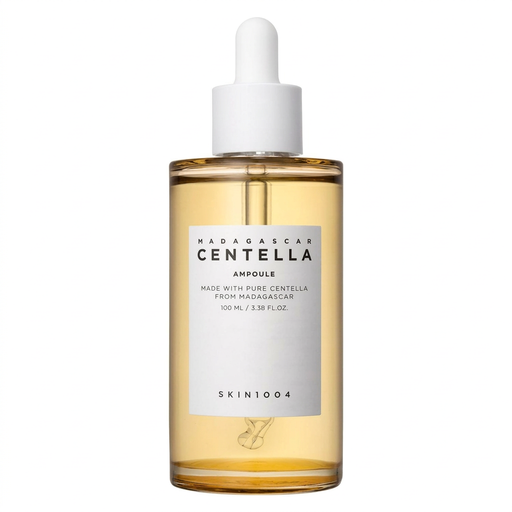
Why this product suits the profile: According to the product description, the formula lists Centella Asiatica extract as the sole declared main ingredient and has a light, watery texture.
The concise INCI list makes it easier to check for sensitive skin. Nevertheless, a patch test should be carried out before applying to a large area.
100 ml content, thin ampoule texture and can be used morning or evening according to the product information.
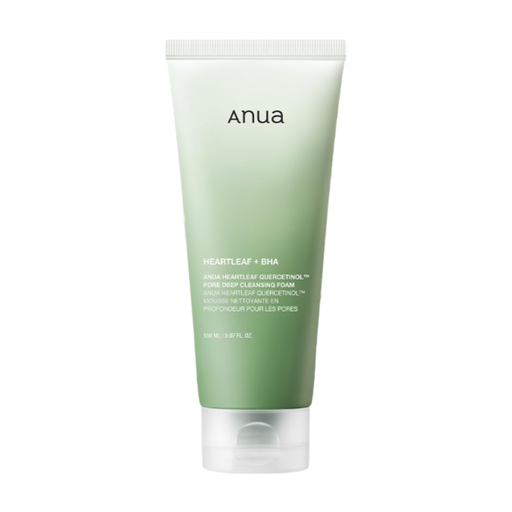
Why this product suits the profile: The cleanser is described for oily-looking, sensitive and blemish-prone skin. According to the INCI, it contains glycerin, salicylic acid and several forms of hyaluronic acid, among other ingredients.
The product description states a sulphate-free, alcohol-free and fragrance-free formulation. The actual packaging information should be checked before purchase.
150 ml content, creamy lather and salicylic acid as part of the declared formulation.
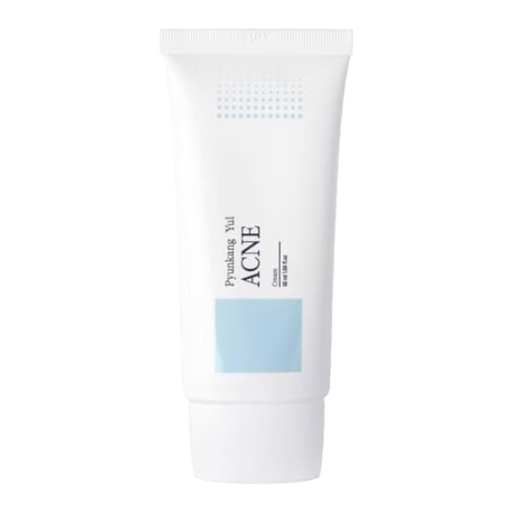
Why this product suits the profile: The cream is described as a final care step for blemished skin and can be integrated into a short routine after cleansing and serum.
The cream can reduce your routine to a clear care step after cleansing. The full and current INCI list should be checked on the packaging.
50 ml content; according to the product information, it contains niacinamide, Centella Asiatica extract and glycerin, among other ingredients.
We have put together a complete, regularly updated list of products that fully meet these strict selection criteria and the safety regulations in force in the EU.
Start with a gentle cleanser. After that, you can apply a single serum or ampoule, followed by a moisturiser. New acids or retinoids should be used sparingly at first. In the morning, sunscreen should be part of your routine, provided your skin tolerates it.
What matters is the printed expiry date, the jar-open symbol and the batch number. Products should be protected from direct sunlight and excessive heat, and closed after each use. A change in smell, colour or consistency may be a reason to stop using the product.
Combining them is not ruled out in principle, but it can put more stress on sensitive skin. For beginners, it makes sense to use the active ingredients on different days at first. If irritation persists, or if you have severe inflammation or recurring acne, you should seek dermatological advice.