
Lieferung heute & morgen

Qualitätsgarantie

Willkommens-Angebote freischalten: KOSTENLOSE Lieferung | Bis zu 80 % RABATT | Kostenlose 30-Tage-JoyPlus-Testphase
App herunterladen
Dry, tight or sensitive skin does not automatically need ten different products. With Korean skincare, what matters most is whether the formulation, texture and application suit your skin. Marketing terms such as “Barrier Repair”, “Collagen” or “intense hydration” alone reveal little about whether a product is genuinely suitable.
PDRN, collagen, niacinamide, adenosine and hyaluronic acid are common ingredients in Korean facial skincare. However, simply mentioning them does not guarantee a specific effect. What matters is the complete INCI list, the concentration, your skin’s tolerance and regular use.
For example, a PDRN cream may contain hydrating and nourishing ingredients, but it is not a medical product. A facial serum for wrinkles should likewise be viewed objectively as cosmetic care intended to improve the appearance of lines and the skin’s surface.
Fragrances, essential oils, plant extracts and certain preservatives can cause unwanted reactions on sensitive skin. A product containing Rosemary Leaf Oil, Parfum or fragrance ingredients that must be declared is therefore not automatically unsuitable, but it should be chosen with greater care.
Before applying it over a larger area for the first time, a patch test on a small area of skin is recommended. If you experience burning, swelling, intense itching or persistent redness, stop using the product.
Layering is a well-known K-Beauty principle. However, introducing several serums, acids, masks and creams at the same time makes it difficult to determine which product is irritating your skin or which products you actually find comfortable to use. For dry and sensitive skin, a short routine consisting of cleansing, moisturiser and sun protection is often easier to manage.
For a routine designed to strengthen the skin barrier, ceramides, cholesterol, phytosphingosine, glycerin, panthenol and hyaluronic acid are relevant ingredients. They perform different functions in formulations:
A Barrier Repair Cream should suit both your skin and the climate. A rich texture can be useful in heated rooms or during winter; if your skin is oily or becomes shiny quickly, a lighter cream-gel may feel more comfortable.
The ingredients are not the only deciding factors. A 20-ml bottle of serum will run out sooner with daily use than a 50-ml jar. When using masks, follow the recommended application time: an overnight mask or facial sleeping mask is generally used in the evening as the final skincare step, while hydrogel masks can remain on the skin for several hours.
The dosage matters with oils. A few drops may be enough for the face, body or lengths of the hair. A heavily fragranced oil is less suitable if you are sensitive to fragrance, even if the plant oils it contains are generally nourishing.
Before buying, check the fill quantity, shelf life, batch number, country of origin and responsible person in the EU. The INCI list shown on a product page may change. The labelling on the packaging delivered to you is therefore the authoritative source.
Products intended for lip or facial care are for external use only. If the skin is damaged, there are open wounds or you have an acute skin problem, postpone using cosmetic products and seek medical advice if necessary.
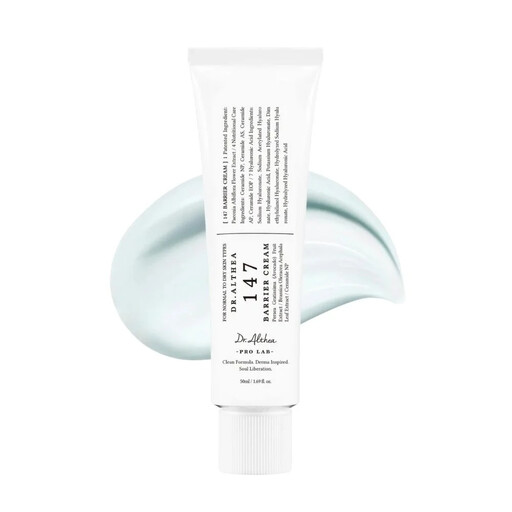
Why this product suits the profile: The cream can be incorporated as the final or penultimate step in a simple routine and contains ceramides plus several forms of hyaluronic acid.
The product description lists specific ingredient groups and the fill quantity, rather than relying solely on broad K-Beauty promises.
50 ml contents, ceramides and seven forms of hyaluronic acid according to the product details; silky-fresh texture.
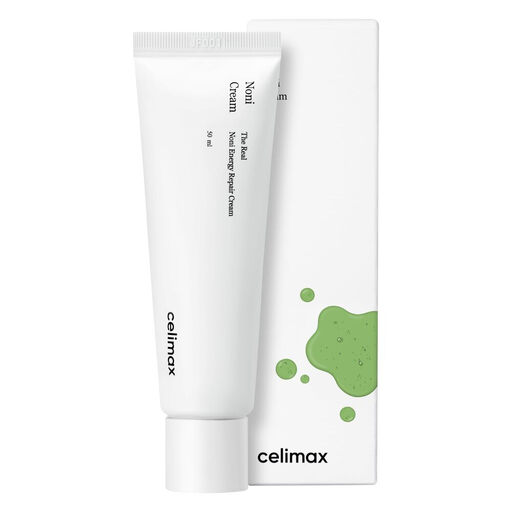
Why this product suits the profile: According to the manufacturer’s information, the formulation combines 55% noni fruit extract, 1% noni seed oil, ceramides and adenosine in a richer cream.
The INCI list highlights potential fragrance sensitivities: rosemary oil is included and should be taken into consideration beforehand.
Ceramides, squalane, shea butter and hyaluronic acid; described as vegan according to the information provided.
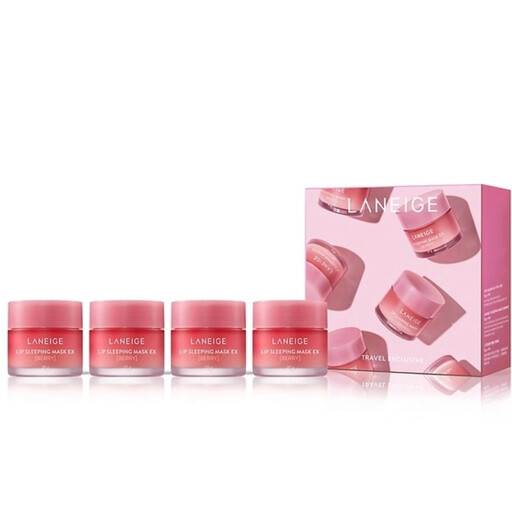
Why this product suits the profile: This set is aimed at people specifically looking for an overnight lip mask who want to keep several units in stock.
The product size and its use as a thin daytime layer or rich overnight treatment should be clearly understood before purchase.
Four-piece set; Berry variant according to the product description; intended for dry and rough lips.
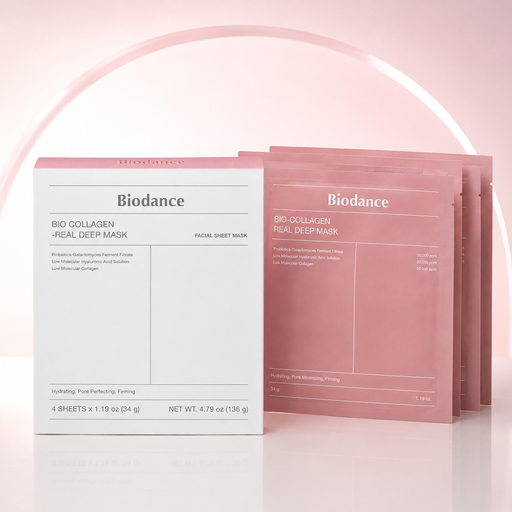
Why this product suits the profile: The hydrogel masks are designed for occasional intensive care, with a stated application time of three to four hours or overnight.
Using it once or twice a week prevents the mask from being used inappropriately as a daily substitute for cream.
Four individual masks, collagen extract, niacinamide and hyaluronic acid according to the INCI information; country of origin South Korea.
We have put together a complete, regularly updated list of products that fully meet these strict selection criteria and the safety regulations applicable in the EU.
A straightforward order could look like this:
A facial oil can be used as the final step on dry skin or mixed with your cream. If you have sensitive skin, start with the smallest possible product routine. New ingredients such as acids or highly concentrated serums can be added individually at a later stage.
For beginners, cleansing, moisturiser and morning sun protection are usually enough. In the evening, you can add a cream or, if needed, a facial sleeping mask. Introduce additional serums one at a time so that you can monitor your skin’s reaction.
The best-before date, the symbol indicating the product’s period after opening and the information on the packaging are the key points to follow. Products should be removed hygienically, protected from direct sunlight and stored according to the manufacturer’s instructions. Changes in smell, colour or consistency indicate that the product should no longer be used.
That depends on the complete formulation. Ceramides, glycerin and panthenol may be suitable for barrier-focused skincare. If you have known sensitivities, fragrances, essential oils and numerous plant extracts should be checked particularly carefully. A patch test is not a substitute for dermatological advice, but it can help with cautious initial selection.