
Lieferung heute & morgen

Qualitätsgarantie

Willkommens-Angebote freischalten: KOSTENLOSE Lieferung | Bis zu 80 % RABATT | Kostenlose 30-Tage-JoyPlus-Testphase
App herunterladen
Korean skincare involves much more than just a lengthy routine. Cleansers, cleansing oils, cleansing balms, serums, face creams and SPF 50 sunscreen are combined according to skin feel, ingredients and daily needs. However, if you only focus on well-known active ingredients or eye-catching marketing terms, you can easily buy products that don’t suit your own skin.
Labels like “Deep Cleansing” or “Pore Refining” alone don’t tell you much about everyday suitability. A foaming cleanser can remove excess sebum and residue, but may feel too harsh for dry or sensitive skin. So pay attention to the surfactant base, the usage instructions and any additional nourishing ingredients such as glycerin, panthenol, ceramides or hyaluronic acid.
Niacinamide, BHA, PHA, vitamin C and various acids can be used effectively in Korean skincare. However, if you combine several of them without a gradual introduction, the risk of tightness or redness increases. A product with 0.5% BHA or 3% PHA should not initially be used daily alongside other exfoliating products.
Serum and face cream are no substitute for UV protection. For daily use, a sunscreen with SPF 50 or SPF 50+ and stated UVA coverage is essential. The amount you apply and reapplying are more important than a glossy finish or extra skincare claims. During prolonged sun exposure, protection should be reapplied regularly.
“Oily skin” can also be sensitive or dehydrated. “Dry skin” doesn’t automatically need a very rich texture. So observe the following:
A cleansing oil or cleansing balm removes make-up, sunscreen and oil-based residue. With double cleansing, a water-based cleanser follows afterwards, such as a cleansing gel or foaming cleanser. If you don’t wear make-up or water-resistant sunscreen, you don’t necessarily need two cleansing steps.
A micellar cleanser is handy for travel or a quick cleanse. For sensitive skin, residue left on the skin can be bothersome; if the product recommends it, you should rinse with water afterwards.
A single active ingredient doesn’t determine suitability. What matters is its position in the INCI list, the overall formulation and your own tolerance. Hyaluronic acid, glycerin and betaine typically indicate moisture-binding properties. Panthenol, allantoin, centella asiatica and liquorice root extract are often used in formulations for a soothing skin feel. These are cosmetic properties, not medical efficacy claims.
For every product, you should check the ingredient list on the packaging, as formulations and labelling can vary between batches. If you have sensitive skin, it’s advisable to test the product on a small area before full application.
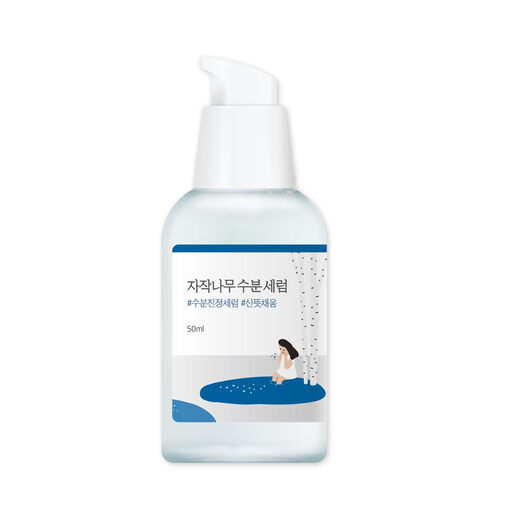
Why this product suits the profile: This hydrating serum combines birch sap, glycerin and several forms of hyaluronic acid in a lightweight texture.
Instead of layering several active serums, a clearly defined hydrating product can be used purposefully after cleansing. The product details recommend 1–2 pumps followed by a cream step.
50ml, non-sticky liquid texture and ingredients such as beta-glucan and dipotassium glycyrrhizate. Check the packaging details before purchase.
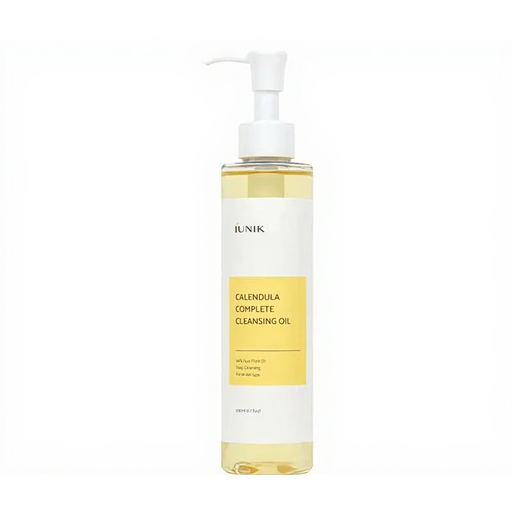
Why this product suits the profile: 200ml and a dosage of 2–3 pumps suit regular use, especially with make-up or water-resistant sunscreen.
Applying it to dry skin and then emulsifying with water reduces unnecessary rubbing. A water-based cleanser should follow afterwards.
Generous size and six plant-based oils, including sunflower and jojoba oil. For oily or blemish-prone skin, follow up thoroughly with a second cleanser.
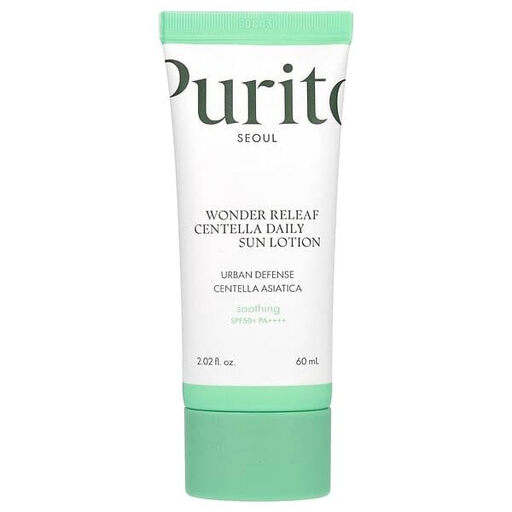
Why this product suits the profile: This lotion is designed for daily facial use and contains SPF 50 along with several forms of hyaluronic acid.
The stated sun protection factor is a verifiable parameter. However, the amount applied and regular reapplication remain crucial; a daily moisturiser with SPF doesn’t automatically replace adequate UV protection.
60ml, lightweight lotion texture and centella asiatica, niacinamide and hyaluronic acid in the INCI list. Avoid contact with the eyes if irritation occurs.
We’ve put together a full, regularly updated list of products that fully meet these strict selection criteria and the safety regulations in force in the EU.
A clear order helps you avoid unnecessary purchases:
Products containing PHA, BHA or other exfoliating ingredients should initially be used only on individual evenings. If redness, stinging or itching persists, stop using the product and seek dermatological advice if necessary.
To start with, a cleanser, a hydrating serum or face cream, and daily sun protection are usually enough. Add a cleansing oil or cleansing balm if you need to remove make-up or water-resistant sunscreen. You can add extra serums and exfoliants one at a time later on.
That depends on the individual formulation, not just the country of origin. Check for fragrances, essential oils, acids and the surfactant base. A short routine with a mild cleansing gel, a moisturising product and sun protection is often easier to assess than several new products all at once.
The printed expiry date, the symbol for the period after opening and the manufacturer’s instructions are what matter. Store products in a cool, dry place away from direct sunlight. If the smell, colour or consistency changes noticeably, stop using the product.