
Lieferung heute & morgen

Qualitätsgarantie

Willkommens-Angebote freischalten: KOSTENLOSE Lieferung | Bis zu 80 % RABATT | Kostenlose 30-Tage-JoyPlus-Testphase
App herunterladen
Korean skincare is about much more than the latest trends. From lightweight moisturisers and serums to face masks and SPF 50 sun protection, there are products for a range of skin needs. The choice can make it harder to decide what to buy, though. Not every eye-catching combination of active ingredients will suit every skin type, and product claims aren’t always easy to compare.
This buying guide explains what to look for in K-beauty and Korean skincare, and which products might suit different routines.
Using several toners, essences, serums and creams can quickly make your routine feel complicated. It’s not the number of steps that matters, but whether the products work well together. For many people, a simple routine is enough:
Introduce new products one at a time. That makes it easier to see how your skin responds to each formula.
Terms such as Centella Asiatica, Tea Tree or hyaluronic acid simply describe ingredients. They don’t guarantee a particular effect for everyone. The concentration, the overall formula and how well your skin tolerates it also matter.
If you have sensitive or blemish-prone skin, it’s worth checking the full INCI list. Fragrance, essential oils and certain preservatives may be relevant for some people.
A product description may say that a product is suitable for sensitive or dry skin. That doesn’t guarantee it will suit everyone. Test new facial skincare on a small area of skin first. Stop using it if you experience stinging, redness or a rash. Products for the eye area must not get directly into your eyes.
For dry skin, hydrating ingredients such as glycerin, beta-glucan, ceramides and hyaluronic acid may be worth considering. A lotion or cream could work well in your evening routine, while a mist is easy to apply when you’re out and about.
If you have sensitive skin, look for a short INCI list and introduce new products gradually. If your skin is oily or blemish-prone, lightweight gel textures may feel more comfortable than rich oils or heavily occlusive creams.
The ingredient list tells you more than claims on the front of the pack. Look out for:
A product with lots of ingredients isn’t automatically a better choice. What matters is whether the formula fits with the rest of your routine.
A product labelled SPF 50 is designed for daily sun protection, but it still needs to be applied properly. Apply sun protection evenly to your face and neck, and follow the manufacturer’s instructions. If you’re spending a long time outdoors, reapply regularly, particularly after sweating, swimming or drying yourself.
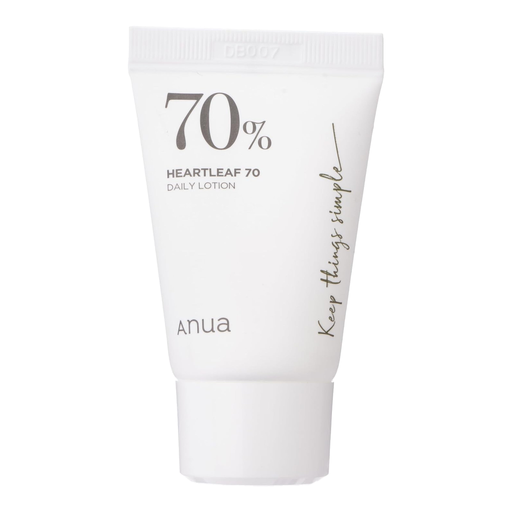
Why this product suits you: The compact 20 ml size is ideal for trying Korean moisturiser or taking it on your travels. The formula includes glycerin, several forms of hyaluronic acid, squalane, shea butter, ceramide NP and Centella Asiatica.
The manageable pack size reduces the risk of buying a large amount of an unfamiliar formula. Check the information on the current packaging before use.
20 ml; contains several hydrating and barrier-supporting ingredients, according to the product information.
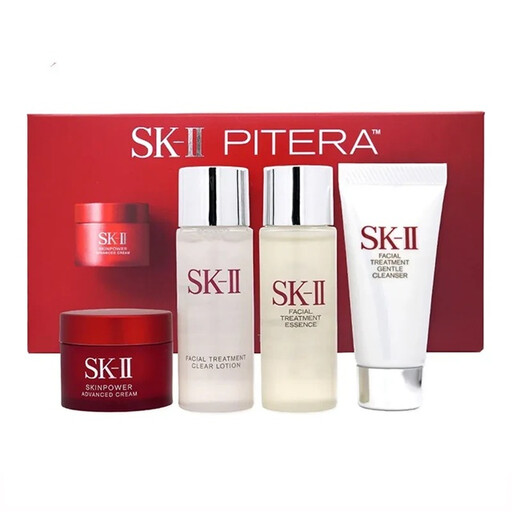
Why this product suits you: This set combines cleanser, lotion, essence and cream in travel-friendly sizes. It’s a structured way to try a multi-step routine.
Each step is clearly set out. Still, check the ingredients, particularly if you react to AHAs, fragrance or certain preservatives.
Four complementary product types; travel sizes of 20 g, 30 ml and 15 ml, according to the product description.
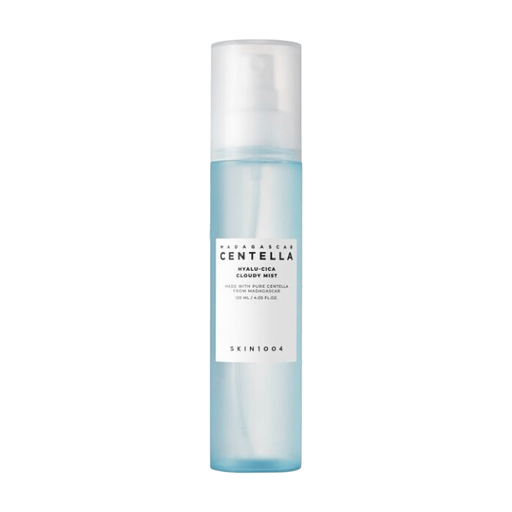
Why this product suits you: The fine spray and 120 ml capacity make it convenient to use after cleansing or when you’re out and about. The formula contains hyaluronic acid, Centella Asiatica, green tea water and ceramides.
It’s easy to use and doesn’t require any extra tools. If you have sensitive skin, check the INCI list for the fragrance it contains.
120 ml; fine mist and several hydrating ingredients, according to the product information.
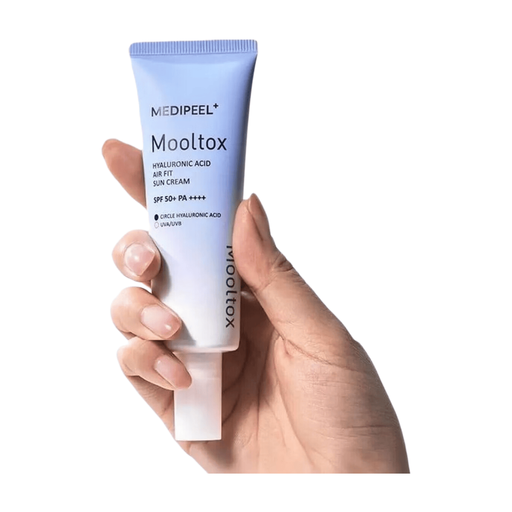
Why this product suits you: This 50 ml sun protection product may suit anyone looking to combine moisturising and UV protection in one step of their morning routine.
The SPF 50 label makes its intended use clear. If you have sensitive skin, check the current INCI list for fragrance and UV filters.
SPF 50; 50 ml; hyaluronic acid, niacinamide and adenosine, according to the product description.
For a targeted serum, you could consider the iUNIK Tea Tree Relief Serum, which contains Tea Tree and Centella Asiatica ingredients. If your lips feel dry, the rom&nd Shiny Color Lip Glaze and TOCOBO Glass Tinted Lip Balm offer moisturising and tinted options. For the eye area, the Skin1004 Madagascar Centella Bakuchiol Eye Cream is a separate skincare option.
When choosing a face mask, consider the recommended wear time, how often to use it and its ingredients. The Quality 1st Derma Laser Super Tea Tree 100 Mask is a Japanese Tea Tree mask, so it isn’t strictly Korean skincare. Bear its country of origin in mind when comparing it with K-beauty products.
To get started, cleanser, moisturiser and sun protection during the day are enough. You can add a serum, face mask or eye cream later if you have a particular need.
Korean skincare includes a wide range of formulas. Check the INCI list, look out for fragrance and test new products on a small area of skin first. If you have ongoing skin problems, it’s a good idea to seek advice from a dermatologist.
Check the printed best-before date and the PAO symbol, such as “6M” or “12M”. Store products as directed by the manufacturer, close them after use and discard them if their smell, colour or texture changes noticeably.