
Lieferung heute & morgen

Qualitätsgarantie

Willkommens-Angebote freischalten: KOSTENLOSE Lieferung | Bis zu 80 % RABATT | Kostenlose 30-Tage-JoyPlus-Testphase
App herunterladen
Korean skincare is known for multi-step routines, lightweight textures and ingredients such as niacinamide, hyaluronic acid, ceramides and panthenol. But the wide choice can make it harder to find the right products. A high price, a dewy-looking complexion in product photos or claims such as ‘glow’ don’t tell you on their own whether a product is right for your skin.
Toner, essence, face serum, ampoule, face cream and SPF 50 sunscreen can all work well together. But if you start using several new products at once, it’s difficult to tell which one your skin doesn’t tolerate. To begin with, a simple routine is enough:
A percentage sounds precise, but it doesn’t tell you everything about the formula. For example, the AXIS-Y Dark Spot Correcting Glow Serum is listed as containing 5% niacinamide. The other ingredients, texture and how well your skin tolerates it are also important. If you have sensitive skin, test a new product on a small area of skin first.
Korean skincare isn’t automatically suited to every skin concern. A serum can hydrate your skin, but it won’t necessarily replace a barrier cream. A product containing retinol shouldn’t automatically be used in the same routine as several other products with potent active ingredients. Sunscreen is also a category in its own right and should be applied after your morning skincare.
If your skin feels dry or tight, glycerin, hyaluronic acid, panthenol, ceramides and skin-conditioning oils are often useful ingredients to look for. A long INCI list isn’t automatically better for sensitive skin. If you want to avoid them, also check whether fragrance, essential oils or alcohol appear near the top of the ingredients list.
Light gel-creams and non-greasy sunscreen formulas may feel more comfortable on oily or blemish-prone skin. Dry skin, on the other hand, often needs a final layer of cream to help keep moisture in.
INCI lists can change, so always check the ingredients on the packaging you receive. Products such as the Dr. Althea 147 Barrier Repair Cream and the Celimax Dual Barrier Skin Wearable Cream list ceramides and hyaluronic acid. This gives you an idea of the type of formula, but can’t guarantee a particular result for you.
A product with SPF 50 or SPF 50+ should be applied generously and evenly. Reapply if you’re spending a long time outdoors, sweating or swimming. SPF doesn’t replace other sun protection measures such as seeking shade, wearing clothing or avoiding the strongest midday sun. Suitable options for your daily routine include Beauty of Joseon Relief Sun SPF 50+ and SKIN1004 Madagascar Centella Hyalu-Cica Water-Fit Sun Serum.
The recommendations below are based on texture, listed ingredients, how to use the product and its skincare purpose. Please check the current product packaging and bear in mind that everyone’s skin is different.
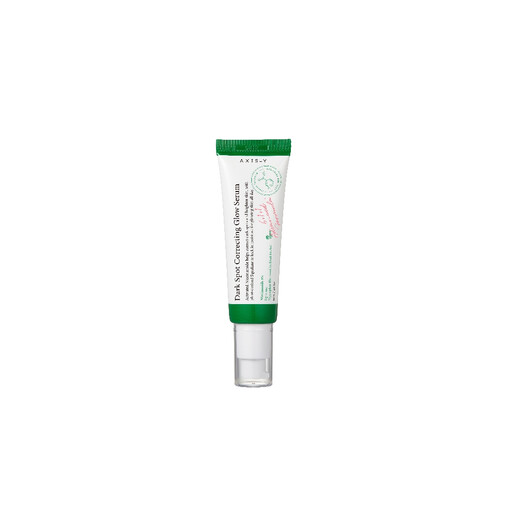
Why it suits this profile: This lightweight gel serum is easy to add to a simple routine and, according to the product information, contains 5% niacinamide and squalane.
The stated active ingredient concentration and full INCI list make it easier to compare with other niacinamide serums.
50 ml, a lightweight texture and can be used as a face serum on your face or targeted areas.

Why it suits this profile: This barrier cream combines several ceramides with different forms of hyaluronic acid, making it a suitable final step in your skincare routine.
The product description names specific skincare ingredients instead of relying solely on vague glow claims.
50 ml, a creamy everyday texture and several listed ceramides in the INCI list.
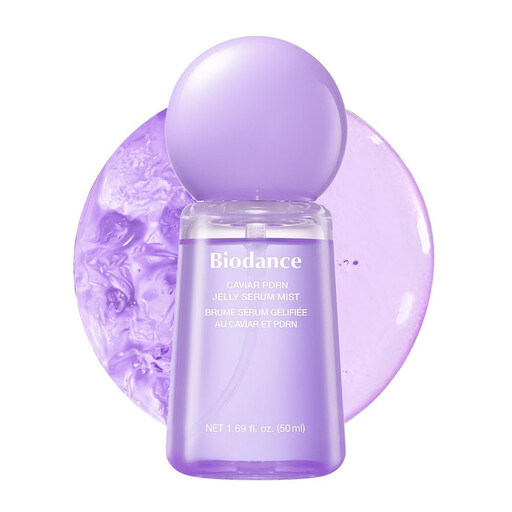
Why it suits this profile: The serum mist can be used on cleansed skin or to freshen up over make-up.
The instructions are clear: hold it close for a more concentrated layer, or further away to freshen up. Avoid the eye area.
50 ml, glycerin, niacinamide and several forms of hyaluronic acid according to the listed INCI ingredients.

Why it suits this profile: This creamy sunscreen is designed as the final step in your morning routine and has an SPF 50+ and PA++++ rating.
The stated SPF makes the product’s purpose clear. The amount you apply and reapplying are key to getting the intended protection.
SPF 50+, PA++++, 50 ml and a formula with rice extract and niacinamide according to the product information.
We’ve put together a complete, regularly updated list of products that meet these strict selection criteria and fully comply with the safety regulations in force in the EU.
Start with just a few products and add more only if you have a specific need. One possible order is:
If you use retinol products, such as anti-ageing skincare, it’s particularly important to follow the manufacturer’s instructions. Don’t assume the product should be used morning and evening. If you have persistent skin concerns or severe reactions, seek medical advice.
A simple routine consists of cleansing, moisturising and applying sunscreen in the morning. Depending on your skin’s needs, you can add a niacinamide serum, barrier cream or face serum. There’s no need to use multiple layers.
Shelf life depends on the best-before date, the period-after-opening symbol and the storage instructions on the packaging. Keep products closed, in a cool place and out of direct sunlight. Stop using a product if its smell, colour or consistency changes.
The price depends on the size, formula, packaging and brand. So don’t just compare the total price: consider the amount, ingredients and intended use too. A clearly defined routine is more likely to prevent unsuitable purchases than simply buying as many products as possible.