
Lieferung heute & morgen

Qualitätsgarantie

Willkommens-Angebote freischalten: KOSTENLOSE Lieferung | Bis zu 80 % RABATT | Kostenlose 30-Tage-JoyPlus-Testphase
App herunterladen
Korean skincare, also known as K-Beauty, is known for lightweight textures, layerable steps and ingredients such as niacinamide, panthenol, rice extract and Centella asiatica. But the sheer choice can make it hard to know where to start. Not every product suits every skin type, and a low price tells you little about how well a product will suit your skin, how long it will last or how best to use it.
Toner, essence, serum, eye cream, moisturiser, face masks and SPF 50 sunscreen can all be part of a routine. But if you start using several new products at the same time, it can be difficult to work out which one is causing redness, tightness or blemishes. When you’re starting out, a simple routine of facial cleanser, moisturiser and sunscreen is usually easier to manage.
Terms such as ‘glass skin’, ‘pore refining’ and ‘anti-ageing’ often describe how a product is marketed, rather than guaranteeing a particular result. What matters is the full INCI list, the texture, the concentration of key ingredients and the directions for use. Claims about skin should not be taken as medical or therapeutic promises.
Retinal, acids, fragrances and physical exfoliants may not suit certain skin types. Even a product marketed as gentle or hypoallergenic can trigger an individual reaction. If you have sensitive skin, it’s a good idea to do a patch test on a small area of skin and introduce products gradually.
Dry skin often benefits from a cream with hydrating and barrier-supporting ingredients. Gel creams and lightweight serums may feel more comfortable on combination or oily skin. For mature skin, ingredients such as peptides, adenosine or retinal may be worth considering. However, this doesn’t mean that everyone with mature skin needs the same anti-ageing skincare.
If your skin is blemish-prone or dull, consider your whole routine. A single serum won’t make up for harsh cleansing or a lack of sun protection. If you know your skin is sensitive, check for fragrance, alcohol, essential oils and vitamin A derivatives.
A simple Korean skincare routine could look like this:
Face masks are an additional step, not a replacement for daily skincare basics. Apply eye care sparingly. Use products containing retinal as directed on the label, and don’t combine them casually with other potent actives.
A smaller size is useful for trying a product, but it often costs more per millilitre. When buying a skincare set, check whether you’ll actually use all the products regularly. Information on shelf life, batch number, origin and the responsible person in the EU can be found on the product packaging or in the product information.
Formulations can change, so always check the INCI list on the physical packaging. Take extra care with products for the eye area: avoid contact with the eyeball and stop using the product if you experience stinging, redness or swelling.
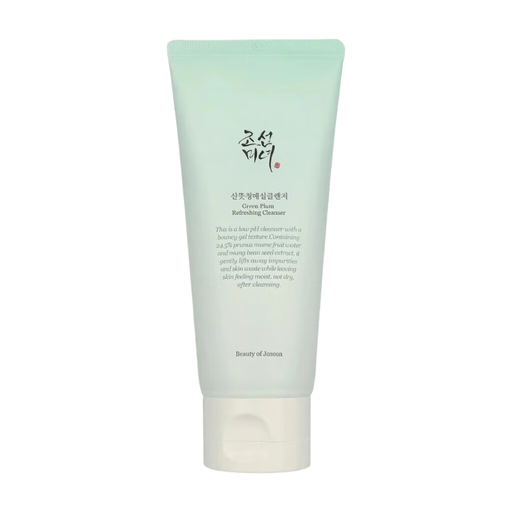
Why it suits this profile: A single cleanser is a manageable way to get started with Korean skincare. The gel formula lathers on damp skin and rinses off afterwards.
There’s no need to complicate your routine with several active products. The product information lists 24 % plum water and 3 % mung bean extract.
100-ml size, mildly acidic formula and glycerin in the INCI list.
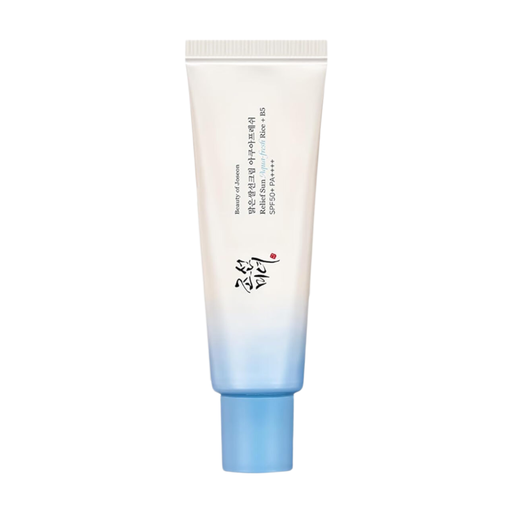
Why it suits this profile: The lotion-like texture may appeal if you want daytime sun protection that feels lightweight on the skin.
The stated SPF 50+ and 50-ml size make it easier to compare products using clear, specific information.
Rice Seed Water and panthenol are listed among the ingredients; the manufacturer states SPF50+ PA++++.
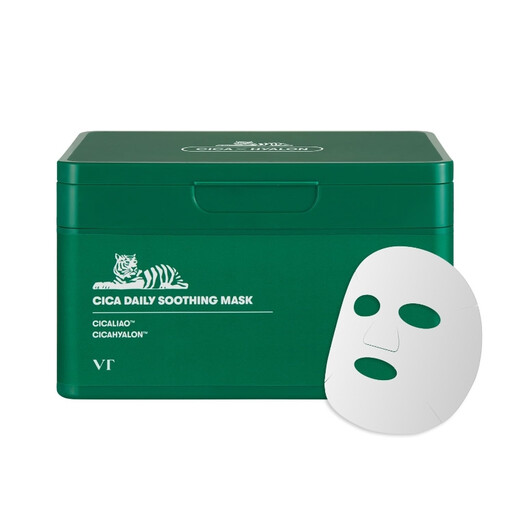
Why it suits this profile: This pack of 30 sheet masks is for people who want to work face masks into their routine regularly, without spending much time on each application.
The recommended application time is 10–20 minutes, making it easier to plan than masks with unclear claims.
30 individual sheets, 0.2-mm Nude-Seal sheet and Centella and hyaluronic acid ingredients.
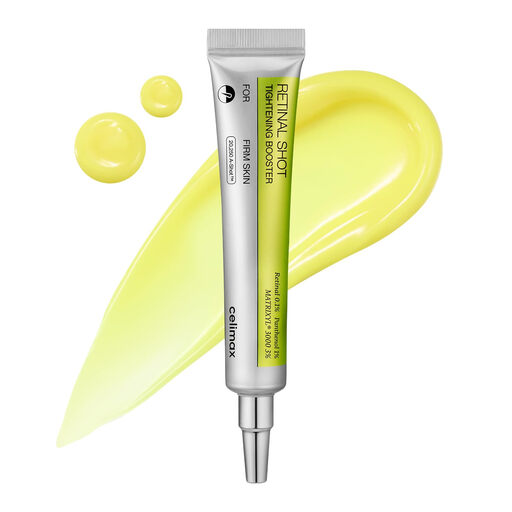
Why it suits this profile: For those who want to use retinal as a targeted evening treatment and introduce it gradually into their routine.
The product information states that it contains 0,1 % retinal and recommends using a small amount while building up gradually. Avoid using it at the same time as strong acids.
15-ml size, retinal in the INCI list and clear directions for evening use.
To start with, a facial cleanser, moisturiser and morning sunscreen are usually enough. You can add a serum, eye care or face masks later if you have a specific skincare goal and your skin is getting on well with the basic routine.
Some formulas are lightweight and include ingredients such as panthenol or Centella asiatica, which are positioned as soothing. However, no product is suitable for everyone. Check the INCI list, look out for fragrance and test each new product on a small area of skin first.
This depends on the product, packaging and manufacturer’s guidance. Check the period-after-opening symbol, the best-before date and the information on the packaging. Store products closed, in a dry place and away from direct sunlight.