
Lieferung heute & morgen

Qualitätsgarantie

Willkommens-Angebote freischalten: KOSTENLOSE Lieferung | Bis zu 80 % RABATT | Kostenlose 30-Tage-JoyPlus-Testphase
App herunterladen
Korean skincare is readily available online in the UK: from Korean serums and cleansers to face masks and sun protection, there is plenty of choice. However, the sheer range of active ingredients, brands and promises can make choosing difficult. If you buy based solely on terms such as “glass skin”, “glow” or “anti-ageing”, you may end up paying for marketing rather than a formulation that suits your skin.
As a Joybuy Product Recommendation Officer, I therefore assess products according to transparent criteria: skin needs, ingredients, application, packaging information and suitability for everyday use.
“Glass skin” describes a glossy, even-looking complexion used in K-Beauty marketing. However, it is not a consistently defined cosmetic standard. A highly luminous finish may feel pleasant on dry skin, but can be unwanted on oily or blemish-prone skin. Texture, hydration and tolerance are therefore what matter – not just the buzzword on the packaging.
Niacinamide, vitamin C derivatives, tranexamic acid, retinal and hyaluronic acid are often combined in Korean facial skincare. This can be interesting for certain routines, but it also increases the risk of overloading your skin. If several active products are used at the same time, it can be difficult to determine which ingredient is responsible if a reaction occurs.
INCI lists can change. Product sizes, batch details, manufacturer information and the responsible person within the EU may also vary from one product to another. Before buying, check the current ingredients list on the packaging, the expiry date and the “Period After Opening”, or PAO.
If your skin is sensitive or irritated, do not apply cosmetics to broken skin. If redness, stinging, swelling or itching persists, stop using the product and seek medical advice if necessary.
For dry skin, water-binding and nourishing ingredients such as glycerine, panthenol, hyaluronic acid, squalane and ceramides may be beneficial. A lightweight gel cream can feel more comfortable on combination or oily skin than a rich balm.
If you are looking for a Korean moisturiser, do not focus solely on terms such as “Deep Moisture”. Check the consistency and the position of relevant ingredients in the INCI list. For very dry skin, a cream containing ceramide NP or panthenol can be sensibly incorporated into a simple routine.
Korean serums for pigmentation and uneven skin tone often contain niacinamide, alpha-arbutin, tranexamic acid or vitamin C derivatives. These ingredients are cosmetic skincare components; they do not guarantee a particular result.
Products containing retinal require particular care. Start with a small amount and use it only a few times a week. Retinal should be applied in the evening. The following morning, your routine should include broad-spectrum sun protection with suitable UVA/UVB protection. During pregnancy and breastfeeding, discuss the use of vitamin A derivatives with a healthcare professional beforehand.
Korean cleansers are often available as oils, balms or foams. A cleansing oil or balm can dissolve make-up and sun cream as the first step. You can then follow with a water-based cleanser, provided your skin does not feel dry or tight afterwards.
When choosing Korean sun protection, pay attention to the stated sun protection factor, the application instructions and the correct amount to use. A high SPF on the label does not replace applying enough product or reapplying regularly during prolonged sun exposure.
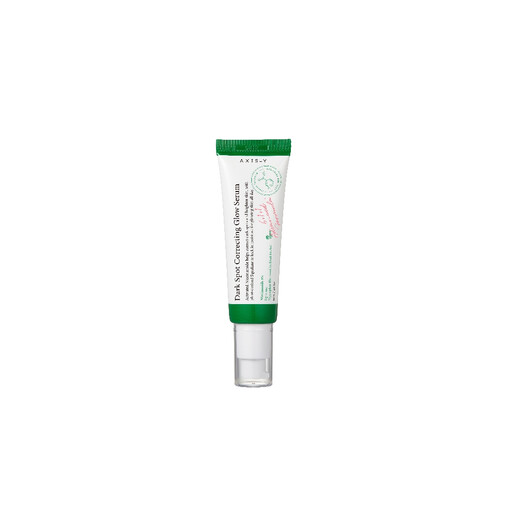
Why this product suits the profile: Its lightweight gel texture and stated 5% niacinamide content make this serum a straightforward addition for anyone who wants to start with a single active-ingredient product.
The concentration of the key advertised active ingredient is stated clearly. This makes it easier to compare the product with other Korean serums without relying solely on “glow” claims.
50 ml, 5% niacinamide, squalane and several plant extracts according to the product information.
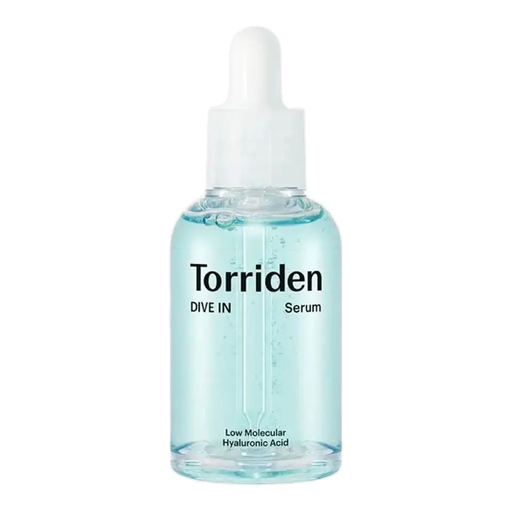
Why this product suits the profile: If you want to target dehydrated skin and prefer a fragrance-free, vegan formulation, this is a clearly focused hydrating serum.
The product description lists five forms of hyaluronic acid, as well as panthenol, ceramide NP and beta-glucan. This offers more guidance than a general claim such as “intensive care”.
50 ml, fragrance-free, vegan and containing several forms of hyaluronic acid according to the product information.
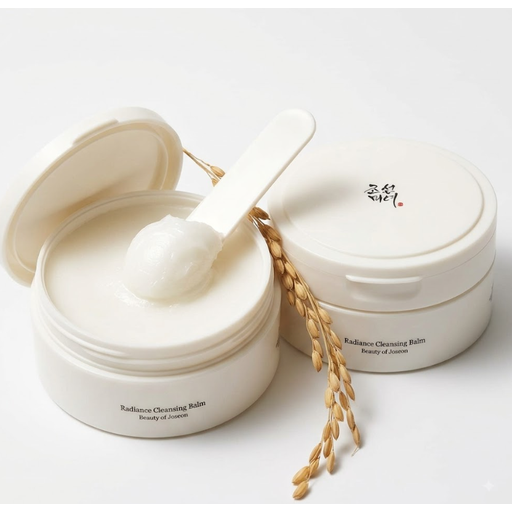
Why this product suits the profile: For daily routines involving make-up or sun cream, a balm is ideal as the first cleansing step. Apply it to dry skin, then emulsify with water.
Emulsifying the product and rinsing it off afterwards reduces the risk of leaving an oily film on the skin that could be mistaken for moisturising care.
100 ml, suitable as the first step in a double-cleansing routine and containing rice-derived ingredients according to the product description.
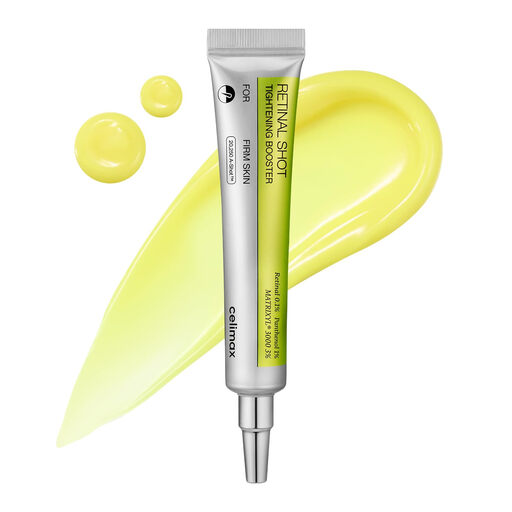
Why this product suits the profile: The booster format is aimed at people who want to incorporate retinal consciously into an existing evening routine and build up usage gradually.
The product information states that it contains 0.1% retinal and recommends starting with a small amount. This makes the dosage easier to understand than vague claims about “strong” vitamin A products.
0.1% retinal, 15 ml and guidance on gradual introduction according to the product description.
We have put together a complete, regularly updated list of products that fully meet these strict selection criteria and the safety regulations applicable in the EU.
Start with just a few products and add active ingredients one at a time:
For beginners, a gentle cleanser, moisturiser and sun protection are usually enough. You can add a serum to target a specific concern. Multiple toners, essences and masks are optional and should not automatically be used together.
The printed expiry date and the PAO symbol on the packaging are the key points of reference. Store products in a cool, dry place away from direct sunlight. Stop using them if their colour, smell or consistency changes.
Check the complete INCI list, fill quantity, application instructions, warnings and details of the responsible person in the EU. Only buy products with clear, verifiable packaging information and formulations that suit your skin type and existing routine.