
Lieferung heute & morgen

Qualitätsgarantie

Willkommens-Angebote freischalten: KOSTENLOSE Lieferung | Bis zu 80 % RABATT | Kostenlose 30-Tage-JoyPlus-Testphase
App herunterladen
Korean skincare is known for multi-step routines, lightweight textures and ingredients such as Centella Asiatica, niacinamide and hyaluronic acid. But the wide range of K-beauty, Korean cosmetics and Korean facial skincare doesn’t necessarily make it easier to find the right products. If you focus only on high concentrations of active ingredients, trendy claims or attractive packaging, it’s easy to end up with products that don’t suit your skin or daily routine.
Terms such as ‘Glow’, ‘Pore Care’ or ‘Brightening’ usually describe how a product is positioned, but they don’t guarantee a particular complexion. When choosing brightening skincare, check the full INCI list. Niacinamide, alpha-arbutin or tranexamic acid may be included in a formula, but that alone can’t guarantee how your skin will respond or whether you’ll see a visible change.
A Korean skincare routine doesn’t have to include ten products. Using several serums, acids, retinal products and masks at the same time can make your routine difficult to manage. A simpler routine is often more effective: cleanse, apply a targeted serum, moisturise and use sun protection during the day. Depending on your skin’s needs, you can add an extra product such as a face mask once or twice a week.
An overnight product, a rinse-off exfoliant and SPF 50 sun protection all serve different purposes. The amount you use matters too: a lightweight serum doesn’t replace a moisturiser, and a face mask isn’t a complete substitute for your daily routine. Also check the expiry date, batch number and current ingredients list on the packaging, as formulas can change.
Lightweight, fast-absorbing textures are often preferred for oily or blemish-prone skin. An ampoule or serum containing glycerin, panthenol or hyaluronic acid can add hydration without feeling heavy. For dry skin, a richer moisturiser containing ceramides or nourishing oils may also be a good choice.
If you have sensitive skin, check fragrance, essential oils and highly active formulas particularly carefully. ‘Suitable for sensitive skin’ shouldn’t be your only reason for choosing a product. Read the INCI list and carry out a patch test on a small area of skin before applying it more widely.
Terms such as ‘refining’ or ‘clarifying’ are often used for pore care products. Cosmetics can’t permanently remove visible pores. What matters is choosing a suitable cleanser, keeping your routine simple and using sun protection consistently.
A product labelled SPF 50+ indicates its stated UVB protection factor. Many Korean products use the PA++++ rating to indicate UVA protection. How you apply it matters too: use enough product and reapply if you’re spending a long time outdoors, sweating or coming into contact with water. A lightweight finish is convenient, but it shouldn’t mean using too little.
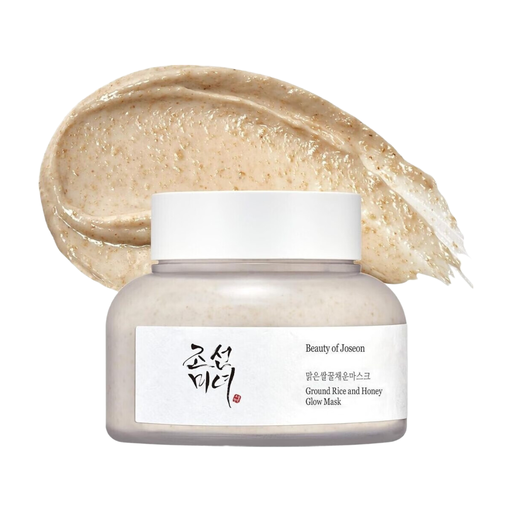
Why this product suits this profile: This wash-off mask is an occasional addition to your routine, without the need to build a long list of steps. According to the product details, apply it after cleansing, leave it on for 15 to 20 minutes, then rinse it off.
Its use is clearly defined, and it doesn’t require you to layer several active products as part of your daily routine. A patch test is still a good idea before first use.
150 ml, a creamy wash-off texture, and rice ingredients, kaolin and honey in the stated formula.
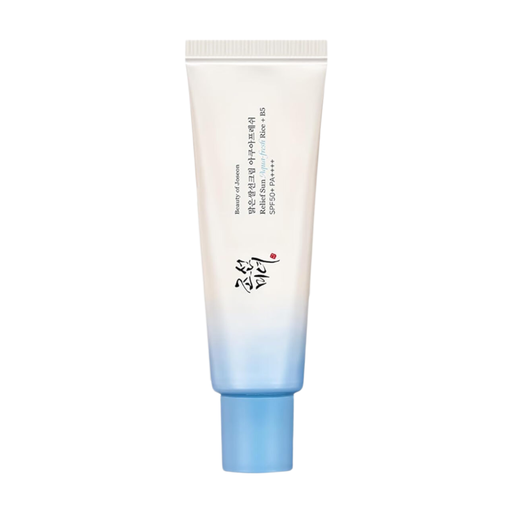
Why this product suits this profile: This sun protection product is designed for your daily morning routine. According to the product description, its formula offers SPF50+ PA++++ protection and a lightweight, lotion-like texture with rice germ water and panthenol.
The protection rating is clearly stated. Even so, make sure you apply enough and reapply if you’re spending a long time in the sun.
SPF50+ PA++++, 50 ml, plus panthenol, Ceramide NP and sodium hyaluronate according to the stated INCI list.
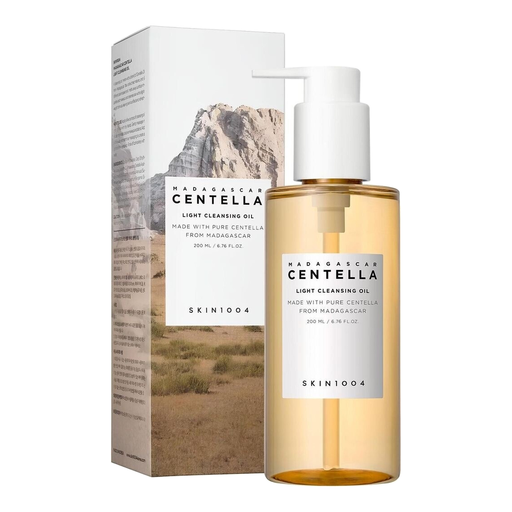
Why this product suits this profile: This cleansing oil is a good choice if you regularly wear make-up or use water-resistant sun protection. According to the product details, apply it to dry skin, emulsify with water, then rinse it off.
The clear instructions to emulsify the oil help reduce residue. If it gets into your eyes, rinse them immediately with water.
200 ml, a lightweight oil texture and Centella Asiatica extract according to the product description.
We’ve put together a complete, regularly updated list of products that meet these strict selection criteria and the safety requirements in force in the EU.
Start with a gentle cleanser, a moisturiser suited to your skin’s needs and daily sun protection. Then add just one serum or mask. Introduce new products one at a time so you can assess how your skin responds.
Check the best-before date, batch details and the period-after-opening symbol on the packaging. Keep products sealed and store them somewhere dry, away from direct sunlight. If the colour, smell or consistency changes, stop using the product.
Look for a manageable INCI list, skincare formulated to minimise irritation and a gradual approach to introducing new products. Centella Asiatica, panthenol and glycerin are common ingredients in hydrating formulas, but their presence alone doesn’t indicate how your skin will respond. Patch testing and following the manufacturer’s instructions are still important.