
Lieferung heute & morgen

Qualitätsgarantie

Willkommens-Angebote freischalten: KOSTENLOSE Lieferung | Bis zu 80 % RABATT | Kostenlose 30-Tage-JoyPlus-Testphase
App herunterladen
Dark spots, acne scars and an uneven skin tone cannot be assessed by eye-catching packaging alone. When choosing Korean Skincare for pigmentation, the key consideration is whether the active ingredient, application and skin type are a good match. The product description “Brightening” does not automatically mean medical skin lightening, either. It usually refers to a more even-looking, radiant complexion.
A niacinamide serum, a tranexamic acid serum, a retinol product and an AHA or BHA exfoliant can each serve different purposes. However, incorporating them into your routine at the same time increases the risk of dryness and irritation, particularly if you have sensitive or redness-prone skin. An overstressed skin barrier can make regular use more difficult.
Pigmentation can become more visible as a result of UV exposure. A serum for dark spots therefore does not replace daily sun protection. In the morning, a product with SPF 50 sun protection or a separate broad-spectrum sunscreen is an important addition. Follow the application amount stated on the packaging and reapply when spending time outdoors.
“Glow”, “Whitening” and “Radiance” are not consistent quality standards. More meaningful factors include the INCI list, the concentration of stated active ingredients, the texture and guidance for sensitive skin. A high concentration of active ingredients does not automatically mean that a product is suitable for every skin type.
For sensitive skin, fragrance-free and alcohol-free products are often easier to incorporate into a gentle routine. The SKIN1004 Madagascar Centella Ampoule is described as having a minimalist formula with Centella Asiatica extract. According to its INCI list, the NIVEA Cellular Luminous630 Anti-Pigment Spot Day Care, on the other hand, contains fragrance and should be checked particularly carefully if you are sensitive to fragrance.
A patch test on a small area of skin may be advisable before applying the product more widely. If redness, swelling or burning persists, stop using the product and seek medical advice if necessary. Cosmetic skincare is not a substitute for dermatological assessment of new or changing skin marks.
Watery ampoules are suitable for applying in several layers, while creams usually complete your skincare routine. If you have dry skin, additional moisturising care containing glycerin, hyaluronic acid or ceramides can be beneficial. Oily or combination skin may respond better to lighter serums and creams that are not overly rich. A simple routine is usually easier to follow:
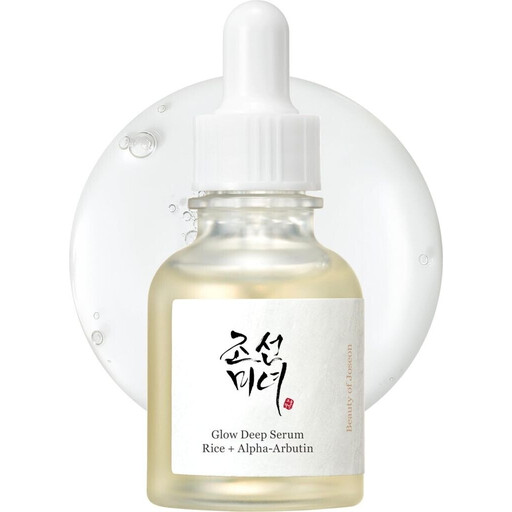
Why this product suits the profile: The straightforward serum formula is easy to use after cleansing and before moisturising. Alpha-arbutin and niacinamide are listed in the INCI.
The active ingredients are easier to identify than with a general “Glow” claim on the packaging. You can start by limiting your routine to a single serum.
Alpha-arbutin, niacinamide, glycerin and panthenol; 30 ml content; apply a few drops.
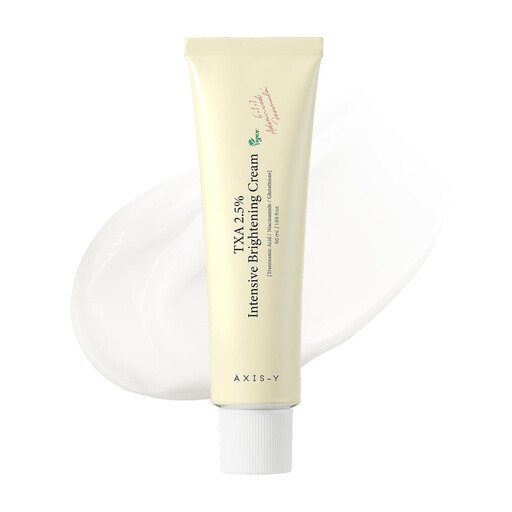
Why this product suits the profile: According to the product information, the cream combines 2.5% tranexamic acid with niacinamide, panthenol, ceramide NP and several humectants.
The specific active ingredient concentration is clearly stated. The manufacturer recommends using additional sun protection with daily application.
50 ml content; 2.5% tranexamic acid; plus ceramide NP, panthenol and hyaluronic acid derivatives.
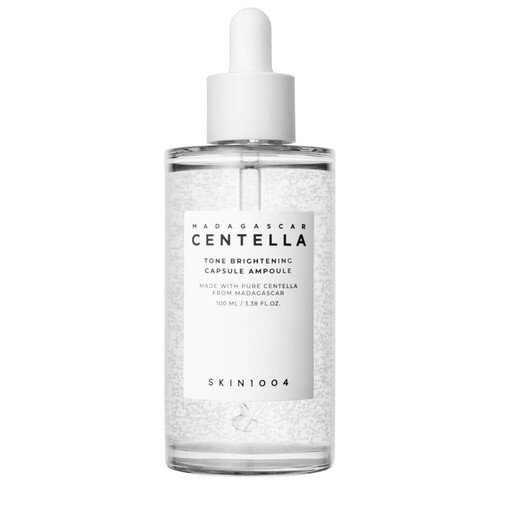
Why this product suits the profile: The 100 ml ampoule is suitable for people looking for lightweight skincare they can use regularly, containing Centella Asiatica, niacinamide and tranexamic acid.
The ampoule is supplied with clear usage instructions and guidance on daily sun protection. This means your skincare plan is not reduced to a serum alone.
100 ml content; niacinamide and tranexamic acid; Centella Asiatica extract and panthenol listed in the INCI.
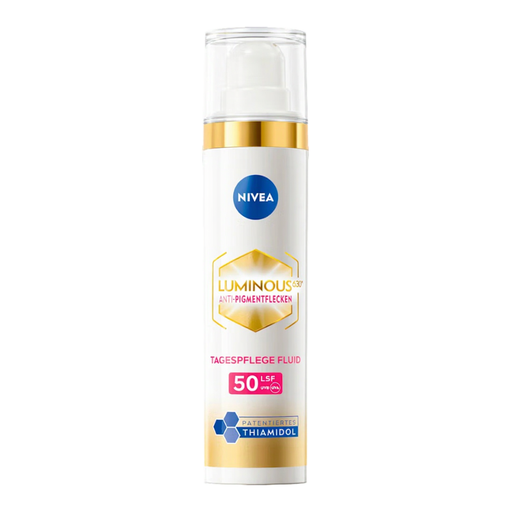
Why this product suits the profile: The fluid combines daytime skincare and SPF 50 in one product, helping to simplify your morning routine.
The level of sun protection is clearly stated as a specific SPF. However, if you do not tolerate fragrance well, you should take the included fragrance component into account.
SPF 50; hyaluronic acid and vitamin E according to the product description; lightweight fluid texture and 40 ml content.
A short routine with a gentle cleanser, fragrance-free Centella Asiatica skincare, moisturiser and sun protection is a cautious starting point. Active ingredients such as retinol, AHA, BHA or vitamin C derivatives should be introduced one at a time and used infrequently at first. The individual INCI list remains crucial.
Cosmetic changes cannot be assessed reliably after just a few applications. Regular use according to the manufacturer’s instructions over several weeks is advisable, provided the product is well tolerated. If there is no improvement or you notice unusual skin changes, seek dermatological advice.
This depends on the specific ingredients and how well your skin tolerates them. For beginners, it is easier to use retinol on selected evenings at first and avoid combining it with strong exfoliants at the same time. In the morning, an appropriate sunscreen should be part of your routine.