
Lieferung heute & morgen

Qualitätsgarantie

Willkommens-Angebote freischalten: KOSTENLOSE Lieferung | Bis zu 80 % RABATT | Kostenlose 30-Tage-JoyPlus-Testphase
App herunterladen
Sensitive skin does not always respond well to particularly rich or heavily promoted products. Redness, tightness, dryness or blemishes can become worse when a routine combines too many active ingredients. When choosing Korean skincare for sensitive skin, a clear formulation, suitable texture and straightforward instructions matter more than eye-catching marketing claims.
Terms such as “Cica”, “Calming” or “Anti-Redness Care” initially indicate only how a product is positioned. Even a soothing facial product may contain fragrances, essential oils, alcohol or several botanical extracts. If you are prone to sensitive skin, you should therefore check the full INCI list rather than relying only on the front of the packaging.
A Centella Asiatica serum, a hyaluronic acid serum, an exfoliator and a Barrier Repair Cream can each have a place in a routine. However, if several new products are introduced at the same time, it becomes almost impossible to identify the cause of a possible reaction. Adding products gradually is clearer and helps to reduce unnecessary purchases that do not work out.
Dry skin often benefits from a richer cream. For combination or blemish-prone skin, a lightweight gel cream may feel more comfortable. The pack size, how long the product lasts, the period after opening and hygienic dispensing are also important. A larger pack is not automatically more economical if it remains open for a long time.
For a routine designed to strengthen the skin barrier, humectants and barrier-supporting lipids are among the ingredients worth considering. Common examples include:
These ingredients are not a guarantee of a particular result. If you have sensitive skin, a patch test on a small area is recommended. If you experience burning, itching, swelling or persistent redness, stop using the product and seek medical advice if necessary.
A simple Korean skincare routine can consist of cleansing, a lightweight serum or ampoule, a cream and, in the morning, sun protection. Thin, fluid products are usually applied before richer textures. A moisturiser for sensitive skin should spread evenly and should not leave a sticky or heavily occlusive film if that feels uncomfortable in everyday use.
Pay attention to the fill quantity, shelf life, batch number and directions given on the packaging. Face masks for sensitive skin are normally intended for single use. Clean dispensing is important for products in jars. Products should be protected from direct sunlight and excessive heat. The current ingredients list on the physical product takes precedence, as formulations may change.
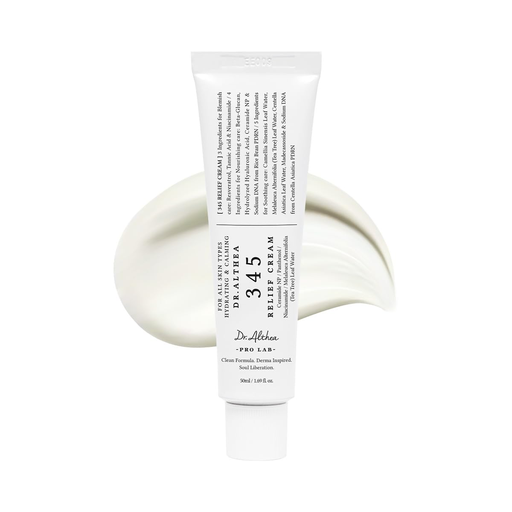
Why this product suits the profile: The 50 ml gel cream offers a manageable introduction to a minimalist routine and, according to the product information, is intended for sensitive, combination, oily and blemish-prone skin.
The lightweight texture avoids an unnecessarily rich moisturising step. Buyers can start by adding just one hydrating product instead of purchasing several active products at once.
Gel cream texture, 50 ml content, plus Ceramide NP, Panthenol, Centella-related ingredients and Sodium Hyaluronate according to the INCI list.

Why this product suits the profile: If you are looking for a cream specifically focused on hydration and the skin barrier, this formula contains ceramides, cholesterol and several forms of hyaluronic acid.
The selection is based on specifically listed ingredients rather than solely on the word “Repair”. The INCI list names Ceramides NP, AS, AP, NG, NS and EOP, along with various hyaluronic acid derivatives.
50 ml, a silky-fresh texture and a complex of seven forms of hyaluronic acid stated by the product information.
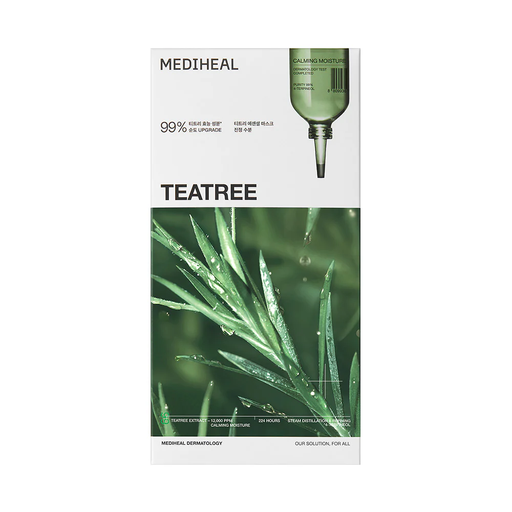
Why this product suits the profile: The ten-pack is suitable for buyers who want to incorporate face masks for sensitive skin into their existing routine occasionally.
The pack size is clearly stated. The mildly acidic formula and tea tree focus do not replace a tolerance check; testing on a small area is still advisable.
10 individual masks, a hydrating focus and ingredients such as Glycerin, Centella Asiatica and Sodium Hyaluronate according to the product information.
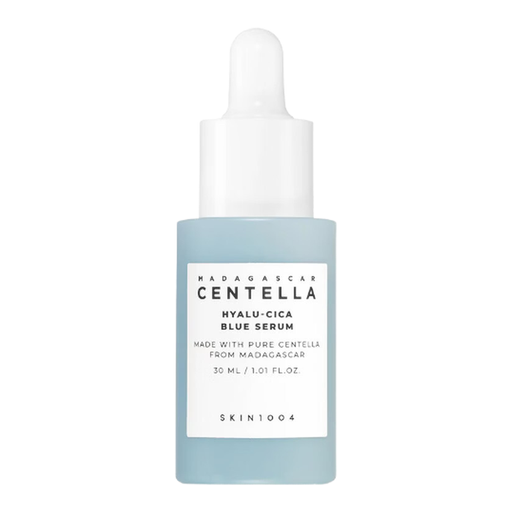
Why this product suits the profile: The gel-like serum texture is appealing to users who want to add hydration without applying a heavy cream straight away.
The ingredient selection is clearly described: Centella Asiatica, five forms of hyaluronic acid, Panthenol, Niacinamide and Ceramide NP. Nevertheless, the serum should be introduced gradually.
30 ml, a lightweight water-gel texture and a combination of Centella-related ingredients and hyaluronic acid according to the INCI list.
We have put together a complete, regularly updated list of products that fully meet these strict selection criteria and the safety regulations applicable in the EU.
Cosmetic products should not be applied to open areas of visibly irritated or damaged skin. A skincare routine should also not be considered a treatment for a skin condition.
A suitable choice depends on your skin type, tolerance and preferred texture. Simple formulas containing glycerin, panthenol, ceramides, hyaluronic acid or Centella Asiatica are often preferred. The full INCI list and a patch test are more important than product names such as “Sensitive” or “Calming”.
A short routine with gentle cleansing, moisturiser and daily sun protection may be beneficial. Richer products such as a Barrier Repair Cream are generally better suited to dry skin, while a lightweight gel cream may feel more comfortable on combination skin. New products should be introduced one at a time.
The best-before or expiry date, the period-after-opening symbol and the information on the packaging are the key points to follow. Single-use masks should be used immediately after opening. Serums and creams should be dispensed hygienically, kept closed and protected from heat and direct sunlight. If the smell, colour or consistency changes, further use is not recommended.