
Lieferung heute & morgen

Qualitätsgarantie

Willkommens-Angebote freischalten: KOSTENLOSE Lieferung | Bis zu 80 % RABATT | Kostenlose 30-Tage-JoyPlus-Testphase
App herunterladen
Sensitive skin doesn’t always react straight away to a new product. Tightness, redness or blemishes can appear only after several uses. When choosing Korean skincare for sensitive skin, the brand image isn’t the only thing that matters: the formula, texture and intended use are just as important.
Three common misconceptions can lead to unnecessary spending:
It’s therefore worth checking the packaging and the current ingredient list before you buy. Information on online shops may change between production batches.
If you’re prone to redness or stinging, look out for any ingredients you know you don’t tolerate. Fragrance, essential oils, alcohol and multiple plant extracts aren’t necessarily bad, but their suitability can vary from person to person.
Choose a soothing face cream that suits your individual skin condition. If your skin is very reactive, try a patch test on a small area first. Stop using the product if you notice redness, swelling, itching or any other unusual reaction. Seek advice from a dermatologist if symptoms persist.
Common humectants include glycerin, butylene glycol, panthenol and hyaluronic acid. They can help improve how dry skin feels. A facial moisturiser containing squalane, ceramides or lipids complements these water-binding ingredients with nourishing components.
If you want to strengthen your skin barrier, consider the texture too. A lightweight emulsion is often a good choice for combination skin or in summer, while a richer cream may suit dry skin and your evening routine. Don’t take the term “non-comedogenic face care” as a guarantee without checking: what matters is how your skin responds to the full formula.
Your skin doesn’t necessarily need a toner, ampoule, serum, mask and several creams all at once. To get started, a simple routine is usually enough:
A Centella Asiatica cream or ampoule may appeal if you prefer lightweight, soothing skincare. Richer formulas may also be suitable for dry or mature skin. Products containing niacinamide, tranexamic acid or peptides are often marketed as part of an anti-ageing skincare routine. However, cosmetic products shouldn’t be seen as a substitute for medical treatment or claims.
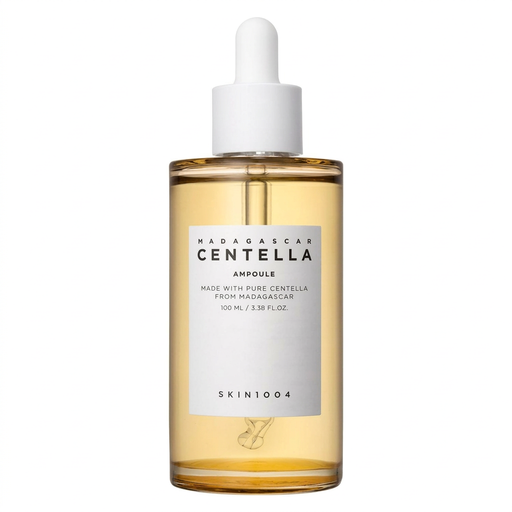
Why this product suits this profile: This watery ampoule can be used as a lightweight step after cleansing or in place of a toner. According to the product information, it contains Centella Asiatica extract and is free from added fragrance, alcohol and parabens.
The formula isn’t marketed on the basis of fragrance or attention-grabbing added ingredients alone. Even so, test for tolerance before applying it more widely.
100 ml, a runny texture and Centella Asiatica extract as a key ingredient.
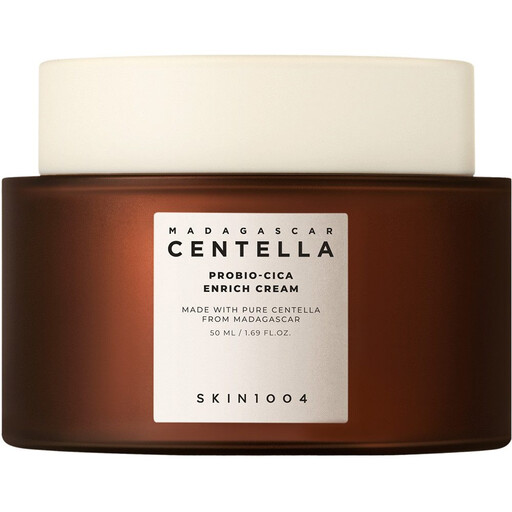
Why this product suits this profile: This richer cream combines Centella Asiatica extract, fermented Centella extract, squalane, panthenol, sodium hyaluronate and Ceramide NP.
The choice is based on clearly identifiable ingredients, rather than broad claims about skin rejuvenation or regeneration.
A rich texture, Ceramide NP and fermented Centella Asiatica for dry skin types.
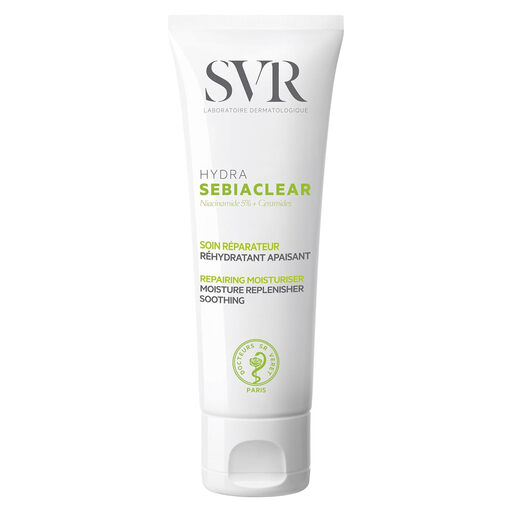
Why this product suits this profile: According to the product description, this cream is for oily and sensitive skin. It contains niacinamide, hyaluronic acid and ceramides, and is described as non-comedogenic.
The choice takes into account both hydration and the claim that it’s suitable for pores. Your skin’s individual response still matters most.
40 ml, niacinamide, hyaluronic acid and ceramides; designed for a daily morning and evening routine.
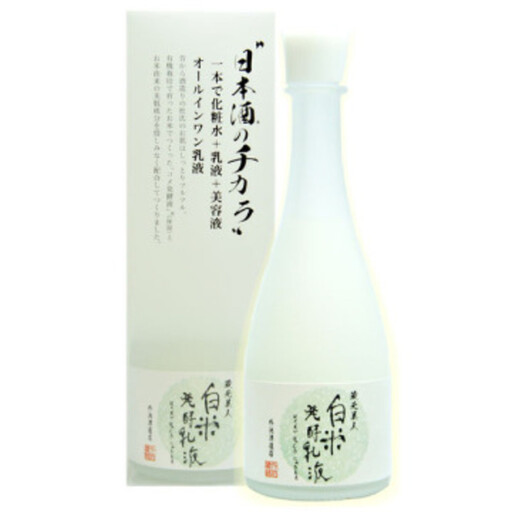
Why this product suits this profile: Made in Japan, this emulsion combines rice ferment filtrate, rice bran ingredients, hyaluronic acid and squalane in a lotion-serum texture.
The product description says it’s free from synthetic fragrance, colourants and mineral oil. However, if you’re sensitive to fragrance, bear in mind that it has a natural sake note.
120 ml, squalane and sodium hyaluronate; designed for use morning and evening.
Look for formulas containing glycerin, panthenol, hyaluronic acid, squalane or ceramides. You can pair a lightweight ampoule with a cream. If your skin is very dry, a richer barrier-care product is often a better choice than layering several lightweight products.
Start by applying a small amount of one product to a limited area of skin for a few days. Stop using it if irritation occurs straight away. Introduce new products one at a time so you can identify how your skin responds.
No. Centella Asiatica is just one ingredient in the overall formula. Fragrance, essential oils, preservatives and texture can all affect how well a product suits your skin. Always check the current INCI list, consider your individual skin condition and test the product carefully.