
Lieferung heute & morgen

Qualitätsgarantie

Willkommens-Angebote freischalten: KOSTENLOSE Lieferung | Bis zu 80 % RABATT | Kostenlose 30-Tage-JoyPlus-Testphase
App herunterladen
Korean skincare, also known as K-Beauty, encompasses a wide range of serums, ampoules, creams and sun care products. While this variety is practical, it can also lead to unsuitable purchases when shopping in Germany. An eye-catching product name, a high concentration of active ingredients or a promise such as “Glass Skin” alone says little about whether a formula is right for your skin.
A higher percentage is not automatically more beneficial. Niacinamide, retinol, retinal or tranexamic acid may be tolerated differently depending on your skin’s condition and the combination of products used. The full INCI list, frequency of use and the rest of your skincare routine are all important.
For example, a retinol serum or retinal product should be introduced gradually. Using acids, highly concentrated vitamin C and physical exfoliants at the same time increases the risk of overwhelming the skin barrier.
Terms such as “Pore Tightening”, “Brightening” or “Repair” often describe the intended positioning of a product rather than a proven effect. Instead, check:
Cosmetic products can care for the skin or improve its feeling of hydration. They are not a substitute for dermatological treatment in the case of persistent skin problems.
When using products for an uneven skin tone, skincare for pigmentation, or retinoids, suitable sun protection should be part of your daytime routine. Look for a clearly stated SPF rating, apply a sufficient amount and reapply if you spend longer periods outdoors. A serum alone does not protect against UV radiation.
Match your skincare goal to a manageable group of active ingredients:
Do not just check the active ingredient; consider the combination too. A product containing 5% niacinamide may be easier to incorporate into many routines than several highly active products used at the same time. With retinol and retinal, start with just a few applications per week and take a break if persistent stinging, severe redness or flaking occurs.
Light-sensitive ingredients require suitable packaging and careful storage. For retinol and retinal products, a tightly sealed container, the stated shelf life and storage away from direct sunlight are particularly important. The current INCI list, batch number and shelf life shown on the product packaging take priority, as formulas may vary.
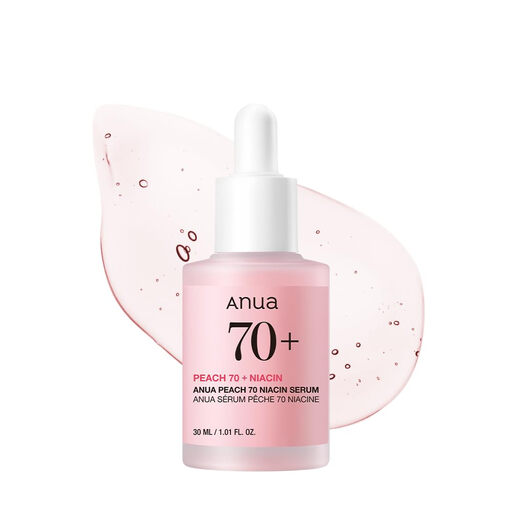
Why this product suits this profile: A fluid serum texture with 5% niacinamide, glycerine and several forms of hyaluronic acid can be easily incorporated into a morning or evening routine.
The stated niacinamide concentration and complete ingredients list make it easier to assess than products described only with trend-led terms.
5% niacinamide, three forms of hyaluronic acid and a 30ml pump dispenser according to the product details.
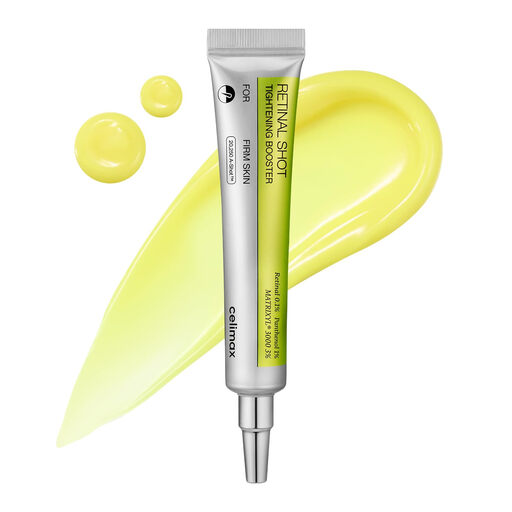
Why this product suits this profile: Ideal for anyone looking to introduce a retinal product into their evening routine in a targeted way and build up usage gradually.
The product details specify 0.1% retinal and evening-only use, making it easier to understand how to incorporate it into your routine.
0.1% retinal, a peptide complex, panthenol and niacinamide according to the stated INCI and product description.
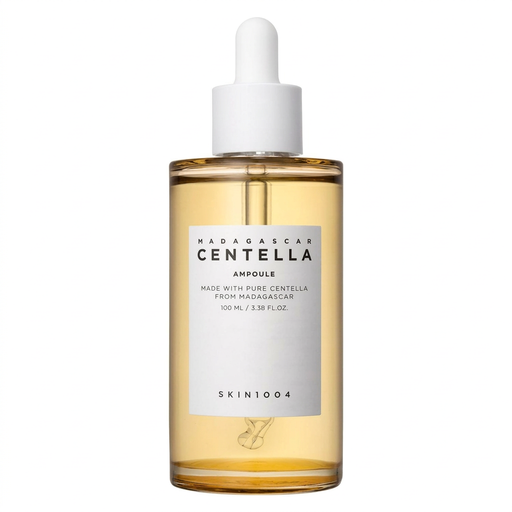
Why this product suits this profile: This lightweight ampoule is suitable for users who prefer simple, regularly usable skincare for skin that feels dry or sensitive.
Its minimalist approach, featuring Centella Asiatica extract, avoids an unnecessarily complex combination of active ingredients.
100 ml contents, a watery texture and 100% Centella Asiatica extract according to the product details.
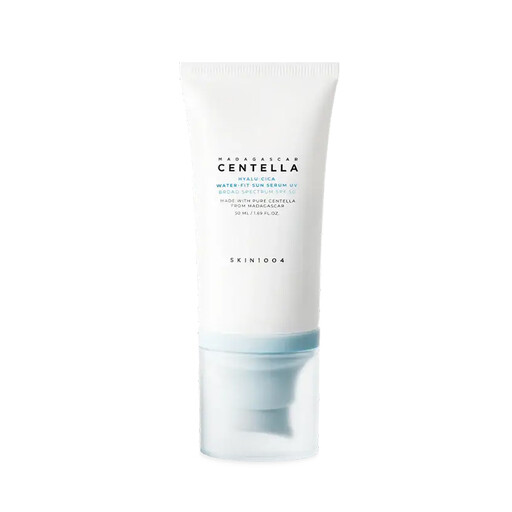
Why this product suits this profile: Sun care described as a serum may appeal to users who want to combine hydration and daily UV protection in one lightweight step.
The product category makes it clear that UV protection must be assessed separately based on the stated SPF and application instructions.
50 ml contents and a lightweight product described as a sun serum for your daily skincare routine.
For beginners, a straightforward order is usually all you need:
Introduce new products one at a time and observe your skin over several days. A face serum, a Centella ampoule and a retinol serum do not need to be used at the same time. With sensitive skin, a simple routine is often easier to assess. During pregnancy and breastfeeding, retinoids such as retinol or retinal should only be used after consulting a doctor, or avoided altogether.
We have put together a complete, regularly updated list of products that fully meet these strict selection criteria and the safety regulations applicable in the EU.
Start with cleansing, moisturising and sun care. You can then add a gently formulated niacinamide or hydrating serum. Retinol and retinal should be introduced later, starting with a low frequency of use.
The best-before date, the symbol indicating the period of use after opening and the information on the packaging are the key points to consider. Light-sensitive products should be kept closed, stored in a cool place and protected from direct sunlight. If the smell, appearance or consistency changes, it is best not to use the product.
A multi-step routine is not essential. For many people, cleansing, a targeted serum, a cream and sun care during the day are enough. Only add further products if they support a specific skincare goal and can be combined with the active ingredients already in your routine.