
Lieferung heute & morgen

Qualitätsgarantie

Willkommens-Angebote freischalten: KOSTENLOSE Lieferung | Bis zu 80 % RABATT | Kostenlose 30-Tage-JoyPlus-Testphase
App herunterladen
Korean skincare encompasses far more than decorative packaging and the well-known “glass skin” look. K-Beauty skincare offers a wide range of cleansing oils, toners, Korean serums, moisturisers, face masks and Korean sun cream. However, this variety can make choosing the right products more difficult.
Names such as Centella Asiatica, Niacinamide, Hyaluronic Acid and Alpha-Arbutin initially describe ingredients only. They do not automatically indicate how a product will affect your skin. The concentration, complete INCI list and compatibility of the overall formulation are what matter.
For example, a Niacinamide serum may be intended for an uneven complexion, while a Centella Asiatica serum may focus more on lightweight, soothing care. Claims such as “against acne” or “against pigmentation” should therefore not be understood as medical treatment.
The traditional Korean skincare routine is often associated with numerous steps. For daily use, however, the following are often sufficient:
Using several serums with similar ingredients may be unnecessary or could place additional strain on your skin. New products should be introduced one at a time, making it easier to identify any potential reactions.
With imported cosmetics, formulations or packaging details may vary from one batch to another. Before buying and using a product, check the current INCI list, the best-before date and the symbol indicating the period after opening. Cosmetics intended for the EU market should also include details of the responsible person in the EU and comply with the requirements of EU Cosmetics Regulation (EC) No 1223/2009.
For dry skin, humectants such as Glycerin, Hyaluronic Acid and Panthenol, followed by a final moisturiser, can be beneficial. Oily or blemish-prone skin often prefers lighter gel textures and a cleanser that does not leave the skin feeling excessively tight.
If your skin is sensitive or prone to redness, try to use as few products at the same time as possible. Fragrances, essential oils and exfoliating ingredients may be tolerated differently from person to person. A patch test on a small area of skin is a practical precaution before applying a product more widely for the first time.
Ingredients are generally listed in descending order, although ingredients present in low concentrations may be treated separately. A specific percentage is more informative than a prominent active ingredient name displayed on the front of the packaging.
For example, the product description for Beauty Of Joseon Glow Serum Propolis+Niacinamide states 60% Propolis Extract and 2% Niacinamide. The serum also contains, among other ingredients, Glycerin, Sodium Hyaluronate and Betaine Salicylate. If you are sensitive to certain ingredients, you should check the complete information on the packaging.
A cleansing oil or cleansing balm is usually spread over dry skin and then emulsified with water. This can be particularly practical when removing make-up and sun cream. If required, follow with a water-based cleanser.
Serums are normally applied after cleansing and before moisturiser. In the morning, a Korean sun cream with stated UV protection should be the final skincare step. Check the SPF and UVA labelling shown on the product, as well as applying a sufficient amount. No sun-care product replaces additional protective measures such as seeking shade or wearing clothing.
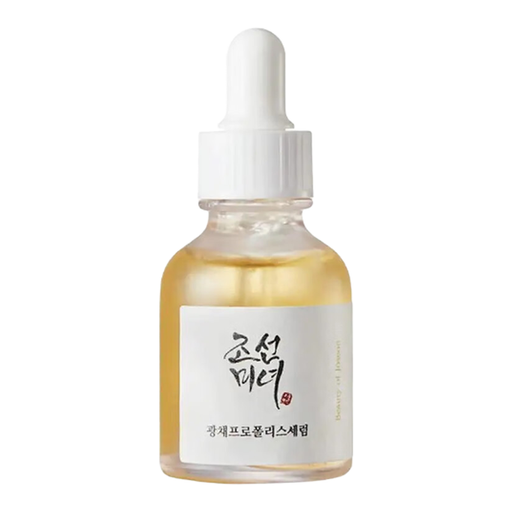
Why this product suits this profile: The lightweight, gel-like texture is easy to incorporate into a short routine. The product description states 60% Propolis Extract and 2% Niacinamide.
The stated key ingredients are clearly identified. Even so, you should check the complete INCI list before buying.
30 ml contents, two clearly stated key active ingredients and application after cleansing and toner.
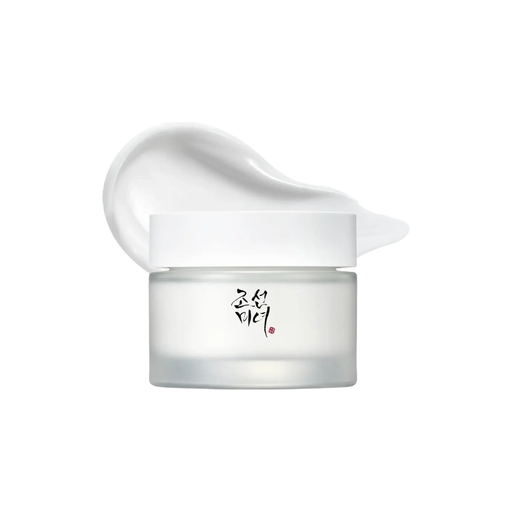
Why this product suits this profile: The cream combines a rich texture with Rice Bran Water, Ginseng Root Water, Niacinamide, Squalane and Ceramide NP.
The formulation is not described solely through one trending active ingredient, but through a clear and verifiable ingredients list.
50 ml contents, several moisturising ingredients and use as the final skincare step.
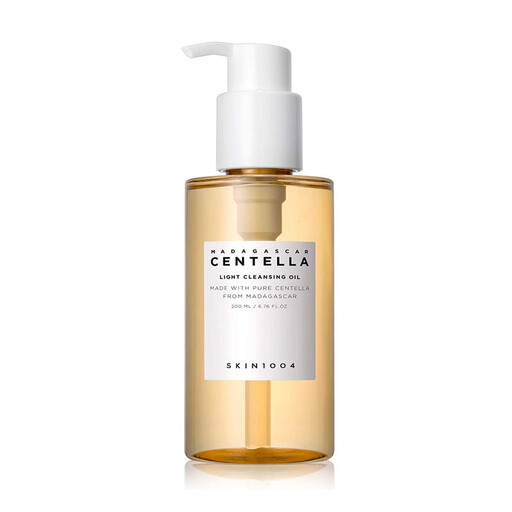
Why this product suits this profile: The 200 ml size is suitable for regular cleansing, particularly if you remove sun cream or make-up every day.
The product specifically states that it emulsifies with water. This allows the oil to be rinsed off thoroughly after massage.
Generous contents, application on dry skin and intended removal of make-up, sun cream and skin residue.
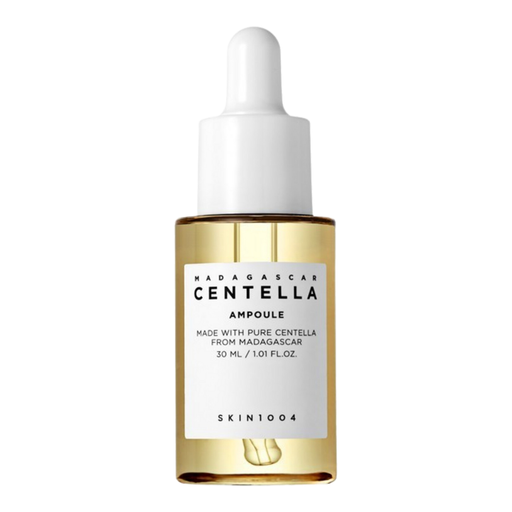
Why this product suits this profile: The ampoule lists Centella Asiatica Extract as the only key ingredient described in the formulation and has a lightweight, watery texture.
The concise ingredient information makes it easier to check for ingredients you personally wish to avoid. A patch test is still advisable.
30 ml contents, a small number of key ingredients and morning or evening use after cleansing and toner.
We have put together a complete, regularly updated list of products that fully meet these strict selection criteria and the safety regulations applicable in the EU.
Start with a gentle facial cleanser, a simple moisturiser and no more than one serum. Centella Asiatica, Panthenol and Glycerin are often found in formulations designed to soothe the skin. However, individual tolerance remains the key consideration. If you experience burning, itching or persistent redness, discontinue use of the product.
After cleansing, apply the lightest texture first, followed by richer products. A Hyaluronic Acid serum can be combined with a moisturiser. A Niacinamide serum or a serum containing Alpha-Arbutin should not automatically be combined with several other active-ingredient products. Introduce new products one at a time.
Check the best-before date on the packaging and the symbol indicating the period after opening, for example “12M”. Keep products tightly closed, dry and protected from direct sunlight or excessive heat. If the colour, smell or consistency changes, further use is not recommended.